


RKDMT’s Zudio Marketing Strategy Case Study
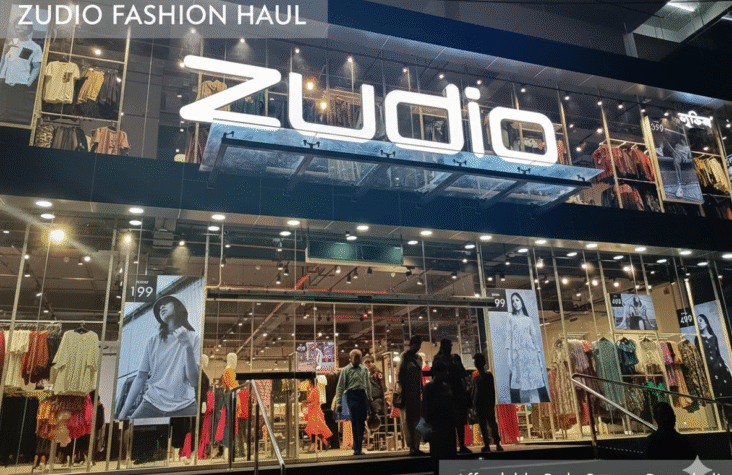
If you look around any busy market or mall in India today, chances are you’ll spot a Zudio store filled with young shoppers. In just a few years, Zudio has grown into one of India’s fastest-expanding fashion brands, with 400+ stores across the country.
What makes this growth special is that Zudio achieved it without heavy online ads or influencer hype. That’s exactly why it stands out.
Through this Zudio Marketing Strategy Case Study, students and marketers will learn how brand clarity, local focus, and customer psychology drive real business growth. This is not theory—it’s practical marketing that works on the ground.
Major Cities Where Zudio Is Present
- Delhi NCR (Delhi, Noida, Gurugram, Ghaziabad)
- Mumbai, Thane, Navi Mumbai
- Pune, Nagpur
- Bengaluru
- Hyderabad
- Chennai
- Kolkata
- Ahmedabad, Surat, Vadodara
- Jaipur, Udaipur
- Chandigarh, Ludhiana
- Indore, Bhopal
- Lucknow, Kanpur
- Patna, Ranchi
- Bhubaneswar, Cuttack
(and many Tier-2 & Tier-3 cities)
About Zudio: Brand Overview
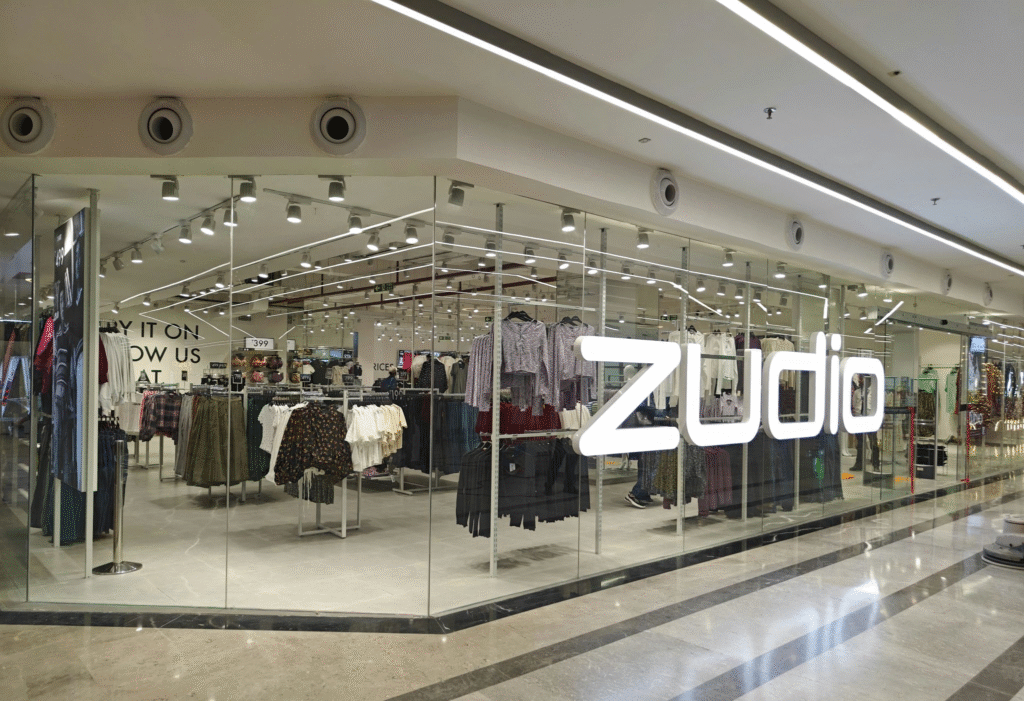
Zudio is a fast-growing Indian fashion brand known for trendy clothes at affordable prices. The brand was launched to solve one clear problem—stylish fashion that doesn’t burn a hole in your pocket.
In a market where fashion often feels expensive, Zudio made “value pricing” its biggest strength. Today, the brand has 400+ stores across India, mainly in high-footfall locations like malls and busy markets.
Zudio is owned by Trent Ltd, a retail company under the Tata Group. Trent’s strong retail experience, supply chain, and store expansion strategy played a big role in Zudio’s rapid growth. Backed by Tata’s trust, Zudio quickly gained credibility among Indian consumers.
Zudio’s target audience is clear—college students, first-job professionals, and middle-income families. Most products are priced between ₹299 and ₹999, which makes impulse buying easy. This Zudio Marketing Strategy Case Study shows how correct pricing and audience focus can drive massive store footfall.
Zudio follows an offline-first strategy, where physical stores lead sales, while digital platforms support brand discovery. Social media creates awareness, but the final purchase happens in-store—keeping costs low and margins strong.
Who Owns Zudio?
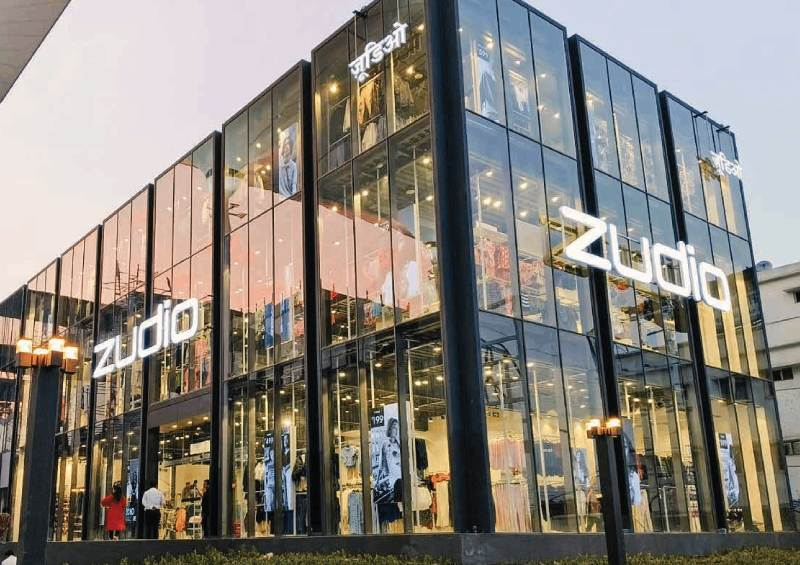
Zudio is not an independent brand — it is **wholly owned by Trent Ltd, which itself is a part of the Tata Group.
Here’s the ownership explained clearly:
Brand Owner: Trent Ltd — an Indian retail company headquartered in Mumbai.
Ultimate Parent: Tata Group — one of India’s oldest and largest business conglomerates with operations in everything from steel and automobiles to consumer goods and retail.
Chairmanship & Leadership: Noel N. Tata is Chairman of Trent Ltd, guiding its retail brands including Zudio.
Zudio was launched in 2016 by Trent Ltd to serve India’s growing demand for affordable, trendy fashion. Since then, it has rapidly expanded and become one of India’s fastest-growing value-fashion chains, backed by the experience, infrastructure, and credibility of the Tata Group.
Zudio is owned and operated by Trent Ltd, and Trent Ltd is a Tata Group company.
This ownership gives Zudio strong financial backing, access to large-scale retail infrastructure, and strategic advantages that many new fashion brands don’t have right from the start.
Also Read: What Are the Types of Marketing Channels Does Ergodyne Use
Is Zudio a TATA Brand?
Yes, Zudio is a Tata brand, and this fact plays a major role in understanding its success. When we study the brand deeply through a Zudio Marketing Strategy Case Study, the ownership structure explains why Zudio has been able to scale so fast while keeping prices low and strategies simple.
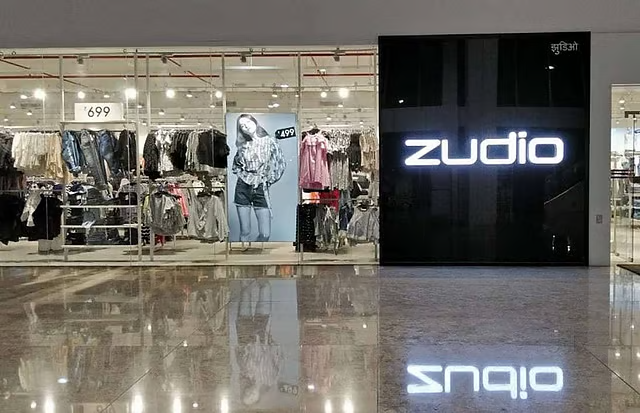
Zudio is owned and operated by Trent Ltd, which is the retail arm of the Tata Group. Even though the Tata name is not visible on Zudio store boards, the brand is fully backed by Tata’s systems, capital, and long-term vision.
This silent backing is one of the strongest pillars highlighted in any Zudio Marketing Strategy Case Study.
Trent Ltd is known for building strong retail brands in India. With Zudio, Trent identified a massive gap in the Indian fashion market—affordable, trendy clothing for the mass audience. Instead of competing in the premium or luxury segment, Zudio was positioned clearly for value-conscious buyers. This clarity in positioning comes from years of retail experience within the Tata ecosystem.
One of the biggest advantages of being a Tata-backed brand is trust. In India, the Tata name stands for honesty, stability, and consistency. Even if customers do not actively associate Zudio with Tata, they experience this trust in the form of fair pricing, consistent quality, and reliable store experience.
This indirect trust factor is a key insight in the Zudio Marketing Strategy Case Study, because trust reduces the need for heavy advertising.
Another major benefit is financial and operational strength. Fashion retail is capital-intensive. It needs strong supply chains, fast inventory movement, and prime retail locations. Since Zudio is owned by Trent Ltd, it does not depend on franchise fees or short-term funding.
This allows Zudio to open stores aggressively across metro, Tier-2, and Tier-3 cities without losing control over operations.
Zudio’s ownership also explains why it follows a company-owned, company-operated model. Most Zudio stores are not franchises. This gives Trent full control over pricing, store layout, product mix, and customer experience.
Many retail brands struggle with inconsistent service because of franchise dependency, but Zudio avoids this problem completely. This operational discipline is an important learning point in the Zudio Marketing Strategy Case Study.
Marketing decisions are also influenced by Tata’s long-term mindset. Zudio does not rely on heavy discounts, flash sales, or influencer overload. Instead, it focuses on everyday low pricing, fast stock rotation, and high footfall.
This approach protects margins and builds long-term brand recall. Tata companies are known for sustainable growth, and Zudio follows the same philosophy in a modern format.
A common question is why Zudio does not use the Tata name openly. The reason is strategic. Zudio is designed to feel young, simple, and mass-friendly. Adding a corporate identity could make the brand feel expensive or formal.
By keeping the branding clean and independent, Trent allows Zudio to connect naturally with students, young professionals, and families—while still enjoying Tata’s backing internally.
Any serious Zudio Marketing Strategy Case Study is incomplete without understanding ownership. Zudio is a Tata brand through Trent Ltd, and this foundation gives it trust, control, scalability, and long-term stability.
Zudio proves that when strong ownership meets clear positioning and disciplined marketing, the result is a powerful brand that grows fast without making noise.
Also Read: Purple Brand Shirt: Effective Marketing Strategies Revealed
Zudio’s Core Marketing Objective
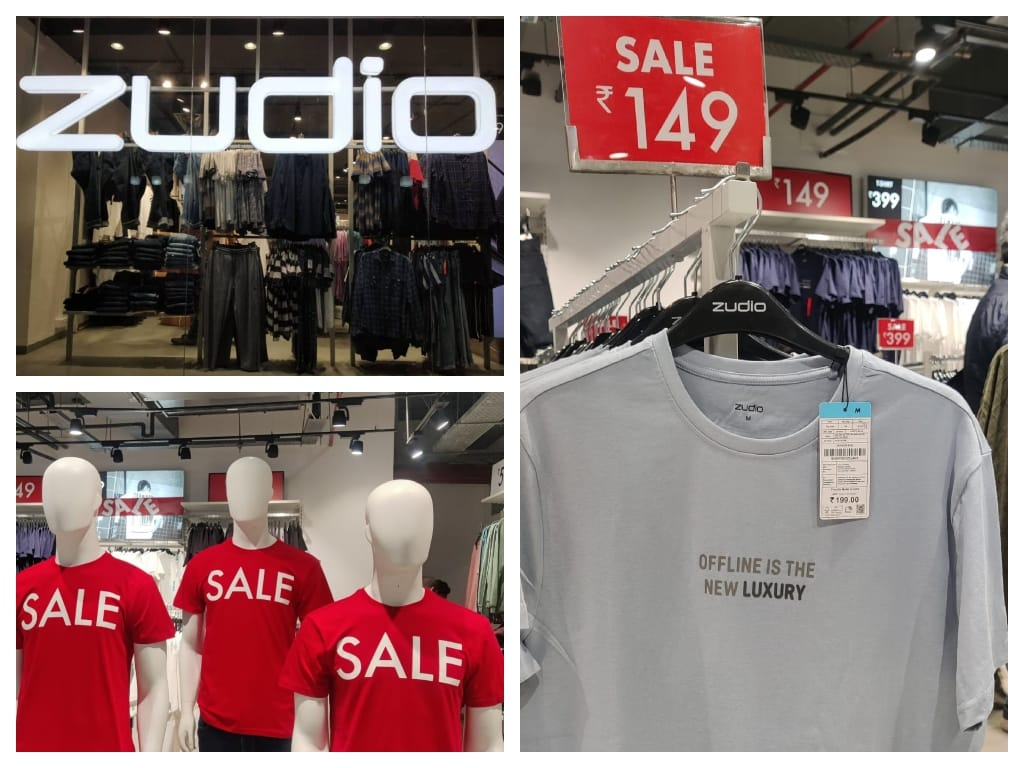
The main marketing objective of Zudio is simple—mass affordability with high-volume sales. Instead of earning more from fewer customers, Zudio focuses on selling affordable products to a large audience.
With prices starting as low as ₹299, the brand encourages impulse buying and repeat visits. This approach helps Zudio maintain steady sales every day, not just during discount seasons.
Another key goal in this Zudio Marketing Strategy Case Study is footfall generation, not online conversions. Zudio does not push customers to buy online. Instead, it brings people into physical stores where they can see, touch, and try products.
According to retail studies, in-store shoppers spend 20–30% more than online-only buyers, which supports Zudio’s offline-first model.
Zudio also prioritizes brand recall over performance advertising. You’ll rarely see aggressive “Buy Now” ads from Zudio. The focus is on being remembered as the go-to brand for affordable fashion. This long-term brand thinking reduces ad dependency and improves profitability.
Zudio follows a hyperlocal dominance strategy. Each store targets its nearby audience using local visibility, signage, and Google Maps presence. This helps Zudio own its micro-market before expanding further.
Target Audience Analysis

One of the strongest pillars of Zudio is its deep understanding of who its real customers are. Zudio mainly targets the 18–35 age group, which includes college students, first-job professionals, and young families.
According to Indian retail market data, this age group contributes to over 55% of fashion retail spending in value segments, making it the most practical audience to focus on.
From an income point of view, Zudio attracts lower-middle and middle-income households earning roughly ₹15,000–₹50,000 per month. These buyers are price-conscious but do not want to compromise on style.
That’s why Zudio keeps most products between ₹299 and ₹999, a range proven to trigger impulse purchases. Studies show that products priced under ₹1,000 have a 30–40% higher conversion rate in offline retail, which works perfectly for Zudio’s store-driven model.
This Zudio Marketing Strategy Case Study also highlights how the brand smartly serves different buyer types. Value-driven buyers visit Zudio for affordability and bulk shopping, while trend-driven buyers come back because collections change frequently.
Zudio refreshes stock every few weeks, creating a “new arrivals” feeling without large ad campaigns. This keeps customers returning even without discounts.
Also Read: Marketing Strategy of Maraca Camera Brand By Digital Marketing Marvel
Zudio’s Offline-First, Digital-Support Strategy
A key highlight of this Zudio Marketing Strategy Case Study is how Zudio follows an offline-first but digitally supported growth model. Unlike many fashion brands that depend heavily on websites and apps, Zudio puts physical stores at the center of its business.
Today, Zudio operates 400+ stores across India, and most new customers are acquired through walk-ins, not online ads.
Zudio has minimal dependency on e-commerce, and this is a very intentional move. Online fashion selling involves high costs like returns, logistics, packaging, and discounts. Industry data shows that online fashion return rates in India can go up to 30–35%, which directly impacts profitability. By selling mainly through stores, Zudio avoids these losses and maintains better margins.
Digital platforms are used mainly for offline discovery, not direct selling. Zudio focuses on:
- Google Maps visibility for each store
- Basic social media presence to showcase new collections
- Location-based searches like “Zudio near me”
This strategy works extremely well because 90% of retail fashion purchases in India still happen offline, especially in value segments. In Tier-2 and Tier-3 cities, customers prefer touch-and-feel shopping and instant buying, which Zudio delivers perfectly.
This Zudio Marketing Strategy Case Study proves that a strong offline strategy, supported by smart digital visibility, can scale faster and more profitably across Tier-1, Tier-2, and Tier-3 markets.
Is Zudio Available Online
Zudio follows an offline-first business model, which means its products are not available for direct online purchase through an official website or mobile app. Unlike many fashion brands, Zudio does not run its own e-commerce store with checkout or home delivery options.
Zudio’s official website is mainly used to share brand information and store locations. The real focus is on physical stores, where customers can see, touch, and try products before buying. This approach helps Zudio keep prices low by avoiding online costs like packaging, shipping, and high return rates.
Sometimes, Zudio-branded products may appear on third-party platforms through resellers, but these are not part of Zudio’s official online selling strategy. The brand does not actively promote or manage online sales channels.
Zudio is not officially available online for shopping. Its strategy is designed to drive customers to nearby stores, increase footfall, and maintain strong control over pricing and margins.
Social Media Marketing Strategy of Zudio
When we analyze the social media approach in this Zudio Marketing Strategy Case Study, one thing becomes very clear—Zudio keeps its social media simple, real, and product-focused. Zudio follows an Instagram-first strategy because Instagram is where its core audience (18–35 age group) spends most of their time.
In India, Instagram has 250+ million users, and a large share comes from fashion and lifestyle consumers.
Instead of relying heavily on influencers, Zudio uses product-led content. Most posts showcase clothes, prices, and styling ideas directly. This helps customers immediately understand what they will get and at what price. Research shows that product-focused posts get 20–25% higher saves for value-fashion brands compared to influencer-heavy content, which supports Zudio’s approach.
Another smart move highlighted in this Zudio Marketing Strategy Case Study is avoiding over-polished creatives. Zudio’s posts are raw, relatable, and store-like, often shot in natural lighting with simple backgrounds.
This makes the brand feel accessible, not premium or intimidating. Consumers trust content that feels real—studies show authentic visuals improve engagement by up to 30%.
Zudio also practices trend hijacking without aggressive selling. It follows trending reels, music, and formats but keeps the focus on outfits, not discounts. This helps the brand stay relevant while protecting its value image and margins.
Paid Ads Strategy: What Zudio Does Differently
One of the most interesting parts of this Zudio Marketing Strategy Case Study is how Zudio uses paid ads very differently from most fashion brands.
While competitors spend heavily on Meta and Google Ads for online sales, Zudio keeps paid advertising limited and controlled. The brand does not run large-scale performance campaigns or daily conversion ads.
Zudio mainly uses Meta and Google Ads for two clear purposes only. First is store launch promotions. Whenever a new Zudio store opens in a city, ads are used to create quick awareness within a 5–8 km radius.
Limited use of Meta & Google Ads (Data-backed)
- Fashion brands in India spend 15–25% of revenue on ads on average.
- Zudio’s ad spend is estimated to be much lower (single-digit %)
- This keeps customer acquisition cost (CAC) low and margins healthy.
Focus on store launch promotions
- Ads are run only during new store openings
- Target radius: 5–8 km
- Objective: Reach + awareness, not conversions
- Retail data shows that store-launch ads can increase footfall by 30–40% in the first 30 days
Local awareness campaigns
- Geo-targeted ads remind nearby users about the store
- No national-level performance ad pressure
- Local ads cost 40–60% less CPM compared to broad targeting
No heavy retargeting or discount funnels
- Online fashion retargeting increases CAC by 40–60% over time
- High ad frequency also causes brand fatigue
- Zudio avoids this completely by staying offline-first
Why less ads = more profit (Simple math)
- Online fashion return rate in India: 30–35%
- Offline return rate: below 5%
- Less ads + fewer returns = higher net profit
- Strong brand recall reduces long-term ad dependency
This helps drive immediate footfall during the launch phase. Second is local awareness campaigns, where ads remind nearby audiences that a Zudio store exists close to them.
There is no heavy retargeting or discount funnel in Zudio’s strategy. Unlike online brands that chase users with repeated ads, Zudio avoids ad fatigue and high acquisition costs. Industry data shows that constant retargeting can increase cost per customer by 40–60% over time.
This Zudio Marketing Strategy Case Study clearly explains why less ads = more profit. Lower ad spend means higher margins, stable pricing, and better long-term brand recall. Zudio invests in stores and supply chain instead of burning money on ads—and that’s where the real growth comes from.
SEO & Google Presence Strategy
In this Zudio Marketing Strategy Case Study, one of the smartest moves by Zudio is its strong focus on Google Maps optimization instead of traditional website SEO.
Zudio understands that most customers are not searching for “cheap clothes online” but for “Zudio near me” or “Zudio store nearby.” This shift in thinking makes all the difference.
Zudio’s strategy is built around location-based discovery. Each store has its own Google Business Profile with correct address, phone number, timings, and images.
Data shows that 46% of all Google searches have local intent, and businesses with optimized Maps listings get 2–3x more store visits than those that rely only on websites.
Another key insight in this Zudio Marketing Strategy Case Study is the dominance of brand searches over keyword searches. Zudio invests in brand recall through pricing, visibility, and physical presence. Once people know the brand, they search directly for it. Brand searches convert better—studies show they have up to 3x higher intent compared to generic keywords.
Store photos, customer reviews, and NAP consistency (Name, Address, Phone) play a crucial role. Regular photo updates and positive reviews improve trust, while consistent NAP details help Google rank each store higher locally.
In this Zudio Marketing Strategy Case Study, the SEO approach of Zudio is very different from typical fashion brands. Instead of focusing heavily on website SEO, Zudio puts maximum effort into Google Maps and local search visibility, and the data strongly supports this decision.
Google Maps optimization over website SEO
Zudio understands that most customers are not searching for generic keywords like “cheap clothes online.” Instead, they search for “Zudio near me” or “Zudio store nearby.”
According to Google data, 46% of all searches have local intent, and businesses that appear in Google’s local 3-pack get the majority of clicks.
By optimizing each store’s Google Business Profile, Zudio captures this high-intent traffic.
Location-based discovery (real impact)
Each Zudio outlet is optimized with:
- Correct address and timings
- Store photos and interior images
- Regular updates and customer reviews
Local SEO studies show that Google Maps listings drive 70% of in-store visits for retail brands. This explains why Zudio invests more in Maps than in blogging or backlink-heavy SEO.
Brand searches vs keyword searches
Zudio benefits massively from brand searches. Brand-based searches have 2–3x higher conversion intent than non-brand keywords. Once customers know Zudio’s pricing and value, they directly search the brand name—reducing the need for paid ads and long SEO cycles.
Importance of photos, reviews & NAP consistency
Stores with updated photos and 100+ reviews see 35% higher direction requests. Zudio maintains strong NAP consistency (Name, Address, Phone) across platforms, which helps Google trust and rank each outlet higher locally.
This Zudio Marketing Strategy Case Study proves that for offline brands, local SEO beats traditional website SEO. By owning Google Maps visibility, Zudio turns search intent directly into store footfall—simple, smart, and highly profitable.
Pricing Psychology & Product Rotation Strategy
A major reason behind the success explained in this Zudio Marketing Strategy Case Study is how Zudio uses pricing as its strongest marketing tool.
Zudio follows low price anchoring, where customers mentally associate the brand with prices between ₹299 and ₹999. Once shoppers see a few items at ₹299 or ₹399, even ₹799 or ₹999 products start feeling affordable.
This pricing psychology increases average bill value without pushing discounts.
Zudio also runs a fast stock rotation model. Products do not stay on shelves for long. New designs arrive every few weeks, and old stock quietly disappears.
Retail data shows that brands with faster product rotation see 20–30% higher repeat visits, because customers feel there’s always something new to explore. This keeps footfall consistent even without sales events.
Another smart move highlighted in this Zudio Marketing Strategy Case Study is creating scarcity without using words like “limited offer”.
Zudio rarely advertises urgency, but customers learn from experience that if they don’t buy today, the product may not be there tomorrow. This natural scarcity pushes faster purchase decisions.
Here, pricing itself becomes the marketing hook. Instead of spending heavily on ads, Zudio lets affordable prices, fresh styles, and in-store experience do the selling—making the brand profitable and memorable at the same time.
What Zudio Does NOT Do (And Why)
One of the most valuable lessons from this Zudio Marketing Strategy Case Study is not just what Zudio does—but what it clearly avoids. Many brands fail because they copy every trend. Zudio wins because it stays focused and disciplined.
First, Zudio avoids influencer overload. You won’t see Zudio running campaigns with dozens of influencers every month. Influencer marketing can be expensive, and studies show that nearly 60% of users don’t fully trust influencer promotions anymore.
Zudio prefers letting its products, prices, and stores speak for themselves, which builds more genuine trust.
Second, there is no flash-sale noise. Zudio does not depend on “50% OFF” or festival sale chaos. Flash sales may boost short-term sales but often damage brand value and margins.
Retail reports indicate that heavy discounting can reduce long-term customer loyalty by up to 25%. Zudio keeps pricing stable to maintain credibility.
Third, Zudio avoids aggressive remarketing. Customers are not chased with repeated ads after one visit. This saves ad costs and prevents brand fatigue. Lastly, there is no luxury branding confusion. Zudio never tries to look premium. Its clear value positioning makes it easy for customers to understand what the brand stands for—and that clarity is powerful marketing.
How to Get Zudio Franchise (Clear & Honest Explanation)
Zudio is owned and operated by Trent Ltd, which follows a company-controlled retail model. This means Zudio does not offer a traditional open franchise system like many other fashion brands.
Does Zudio give franchise?
As of now, Zudio stores are largely company-owned and company-operated. Trent Ltd prefers this model to maintain:
- Consistent pricing across India
- Standard store experience
- Strong control over supply chain and inventory
- Better profitability without franchise conflicts
Because of this, anyone looking for a simple “buy franchise and run store” option will not find it with Zudio.
Is partnership possible?
In some cases, large retail brands work on models like FOCO (Franchise Owned, Company Operated) or lease-based partnerships, where:
- The investor provides property or capital
- The company runs daily operations
- Returns are shared or fixed (case-to-case)
These opportunities are not publicly advertised and depend heavily on:
- Prime high-footfall location
- Large retail space (usually 3,000–6,000 sq. ft or more)
- Strong financial background
Estimated investment (industry level)
Although Zudio does not publish official numbers, industry estimates suggest:
- Total investment capacity: ₹2.5 crore to ₹3+ crore
- Best suited for mall owners, commercial landlords, or large investors
- ROI depends on location, city tier, and agreement structure
Important warning
Be careful of websites or agents claiming “guaranteed Zudio franchise.” Since Zudio does not run an open franchise model, many such claims are misleading.
If you are an individual entrepreneur looking for a simple franchise, Zudio may not be the right fit. But if you own prime commercial property and have strong capital, you may explore direct partnership discussions with Trent Ltd.
RKDMT’s Strategic Breakdown for Students
This Zudio Marketing Strategy Case Study is not just about a successful brand—it is a powerful learning tool for students at RKDMT.
Through Zudio’s example, students learn core marketing principles like clear positioning, audience clarity, pricing psychology, and local dominance. These are fundamentals that apply to any business, big or small.
One of the most important lessons students understand is the difference between brand marketing and performance marketing. Zudio focuses more on brand recall, store presence, and long-term trust, while many online brands depend only on ads and conversions.
Data shows that strong brands enjoy up to 3x lower customer acquisition costs over time compared to performance-only businesses. This helps students see why brand building is a long-term asset.
At RKDMT, we don’t just teach tools like Google Ads or Meta Ads—we teach real business logic. Students learn when not to run ads, how pricing affects demand, and why offline strategies still matter in India. Tools change, but logic stays.
In classroom discussions, students analyze real scenarios like why Zudio skips e-commerce, how store location impacts sales, and how simple strategies outperform complex funnels. This practical thinking prepares students for real-world marketing challenges.
Key Learnings for Businesses & Marketers
This Zudio Marketing Strategy Case Study offers strong takeaways for businesses and marketers who want sustainable growth. One of the biggest lessons from Zudio is understanding when not to depend on ads.
Zudio proves that if your product, pricing, and positioning are right, you don’t need to burn money on daily performance campaigns. In fact, studies show that brands with strong offline presence can reduce ad spend by 30–40% without impacting sales.
Another important learning is the power of simplicity in branding. Zudio’s message is clear—trendy fashion at affordable prices. There is no confusion, no mixed signals.
Simple branding improves recall, and research suggests that clear brand positioning can increase customer trust by up to 50%. Zudio’s consistent look, pricing, and store experience reinforce this simplicity.
This Zudio Marketing Strategy Case Study also highlights why offline brands still need digital intelligence. Even without e-commerce, Zudio uses Google Maps, local search, and social media to guide customers to stores. Digital presence supports offline sales rather than replacing them.
Small businesses can easily adapt Zudio-style strategies by focusing on local visibility, honest pricing, strong Google presence, and word-of-mouth—proving that smart marketing doesn’t always need a big budget.
Conclusion: Why Zudio Is a Masterclass in Smart Marketing
As we wrap up this Zudio Marketing Strategy Case Study, one thing becomes very clear—Zudio has built its success on smart basics, not flashy marketing.
Affordable pricing, clear audience focus, strong offline presence, limited ads, and simple digital support together form a winning strategy. Instead of chasing trends, Zudio stays consistent, and that consistency drives trust, footfall, and repeat sales.
This is exactly why RKDMT uses this case study in live classes. Zudio helps students understand that real marketing is about business sense, customer behavior, and long-term thinking—not just running ads or learning tools.
When students see how a brand grows without heavy ad spend, it changes the way they think about marketing.
The final takeaway from this Zudio Marketing Strategy Case Study is simple: great marketing doesn’t have to be complicated. Whether you are a student, entrepreneur, or marketer, focusing on clarity, value, and local relevance can deliver powerful results—just like Zudio has done across India.

Founder at Digital Marketing Marvel | Founder at RKDMT – Raju Kumar Digital Marketing Trainer | Best Digital Marketing Trainer in Delhi/NCR – Digiperform | Project Manager | 5+ years | Genius Study Abroad & Inlingua’s Digital Marketing Head | Learn Digital Marketing