


What is a Google Search Campaign?
Online advertising has changed the way businesses find customers. Today, people don’t wait for ads to appear—they actively search for solutions. When someone types “best digital marketing course near me” or “book flight tickets online,” they are already interested. This is where smart online advertising makes a real difference.
Search-based advertising matters today because it targets people at the exact moment they need something. In fact, billions of searches happen on Google every single day, and most buying journeys start with a search. This means businesses that appear at the top of search results get more clicks, more calls, and more sales than those that don’t.
So, What is a Google Search Campaign?
A Google Search Campaign is an advertising method where your ads appear on Google search results when users search for specific keywords related to your business. These ads are run through Google Ads and are designed to reach high-intent users who are already looking for your product or service.
In simple words, What is a Google Search Campaign? It is the fastest way to show your business to the right people, at the right time, when they are ready to take action.
What Is a Google Search Campaign?
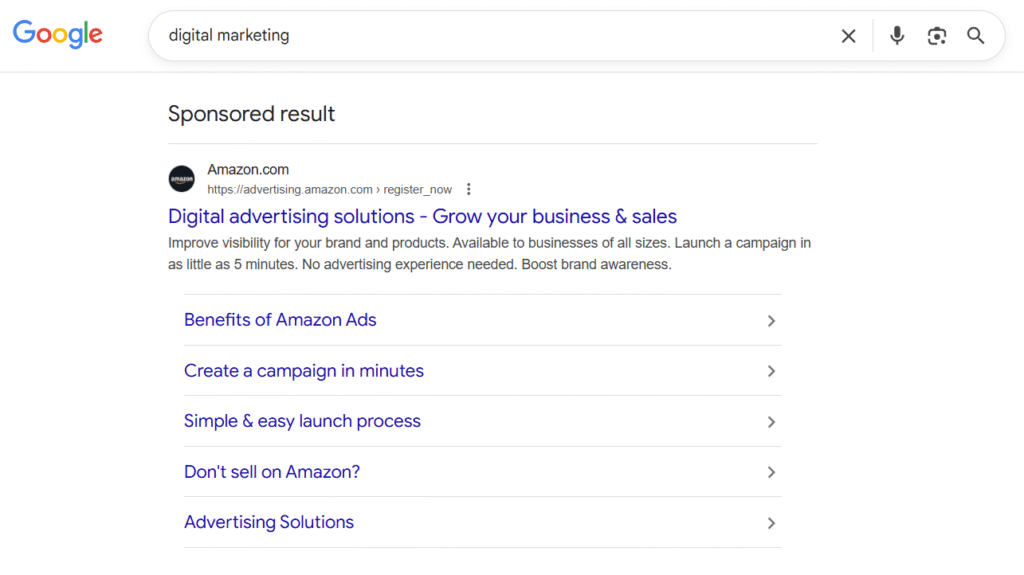
To understand What is a Google Search Campaign, think about your own behavior. When you need something urgent—like booking a flight, finding a service, or buying a product—you go to Google and search. A Google Search Campaign helps businesses appear right in front of users at that exact moment.
Meaning and core concept
A Google Search Campaign is a type of paid advertising where your text ads show on Google search results when people search for specific keywords related to your business. You choose the keywords, set a budget, and pay only when someone clicks on your ad. This makes it one of the most cost-effective ways to reach ready-to-buy customers.
So again, What is a Google Search Campaign in simple words?
It is an ad campaign that targets people who are already searching for what you offer.
How it works within Google Ads
Google Search Campaigns are created and managed through Google Ads. When a user searches a keyword, Google runs a quick auction. Your ad shows based on:
- Your keyword relevance
- Your bid amount
- Your ad quality and usefulness
For example, if you run a digital marketing institute and bid on “digital marketing course near me,” your ad can appear above organic results and bring direct calls or leads.
Difference between search intent and other ad formats
The biggest power of search ads is user intent. Search ads target people who are already looking for a solution. Display or social media ads show to people while they are scrolling, even if they are not ready to buy.
Studies show that search ads often have a much higher conversion rate because users already have intent. This is why businesses that want leads, calls, and sales prefer search campaigns.
In short, What is a Google Search Campaign?
It is the most direct way to connect with high-intent users who are already searching, ready, and serious about taking action.
Also Read: What are Different Types of Google Ads Campaign Objectives
How Google Search Campaigns Work
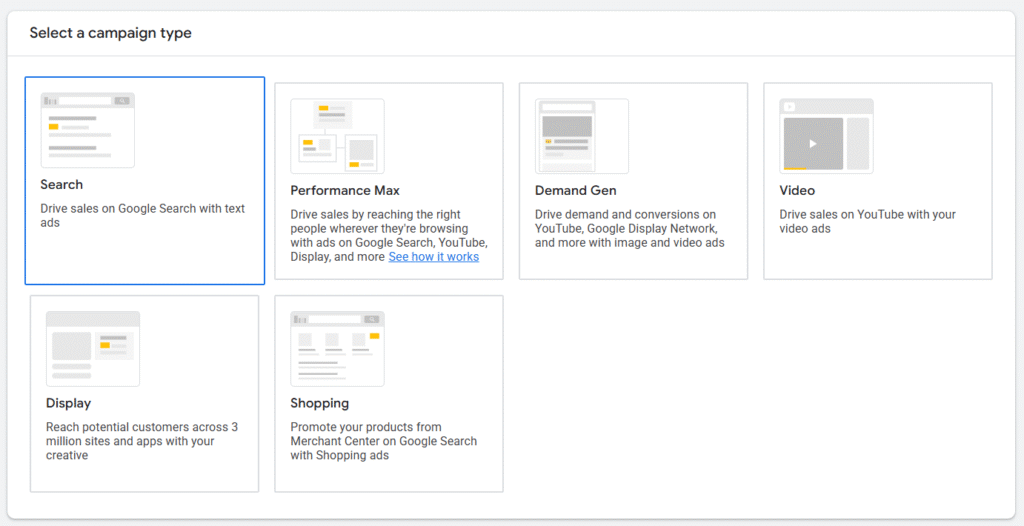
To clearly understand What is a Google Search Campaign, it’s important to know how everything works behind the scenes. The process is simple, logical, and fully based on user behavior.
Keyword-based targeting
Google Search Campaigns work on keywords. Keywords are the words or phrases people type into Google when they search. As an advertiser, you select keywords related to your product or service.
For example, if you offer flight booking services, your keywords could be “book flight tickets,” “cheap flights,” or “international flight booking.” When someone searches using these terms, your ad becomes eligible to show.
This keyword-based system ensures your ads reach people who are already interested, not random users.
User search intent (informational, commercial, transactional)
Google understands search intent, which means why a user is searching. There are mainly three types:
- Informational intent – User wants information (example: “what is digital marketing”)
- Commercial intent – User is comparing options (example: “best digital marketing course”)
- Transactional intent – User is ready to take action (example: “enroll digital marketing course near me”)
Search campaigns perform best with commercial and transactional intent because users are closer to making a decision. This is a big reason why search ads convert better than many other ad formats.
Ad auction and ranking basics
Whenever someone searches on Google, an instant auction happens inside Google Ads. But higher bid alone does not guarantee top position. Google ranks ads based on:
- Bid amount – How much you are willing to pay per click
- Quality Score – How relevant and helpful your ad and landing page are
- Ad relevance – How closely your ad matches the search query
According to Google, ads with better relevance and quality can pay less per click and still rank higher than competitors.
So, What is a Google Search Campaign in real terms?
It is a smart system where the most useful, relevant, and well-optimized ads win—helping users find solutions faster and businesses get better results.
Also Read: Google Ads Asset Studio Now Available
Key Components of a Google Search Campaign
To fully understand What is a Google Search Campaign, you must know its main parts. These components decide whether your campaign will only spend money or actually bring leads and sales.
Keywords and match types
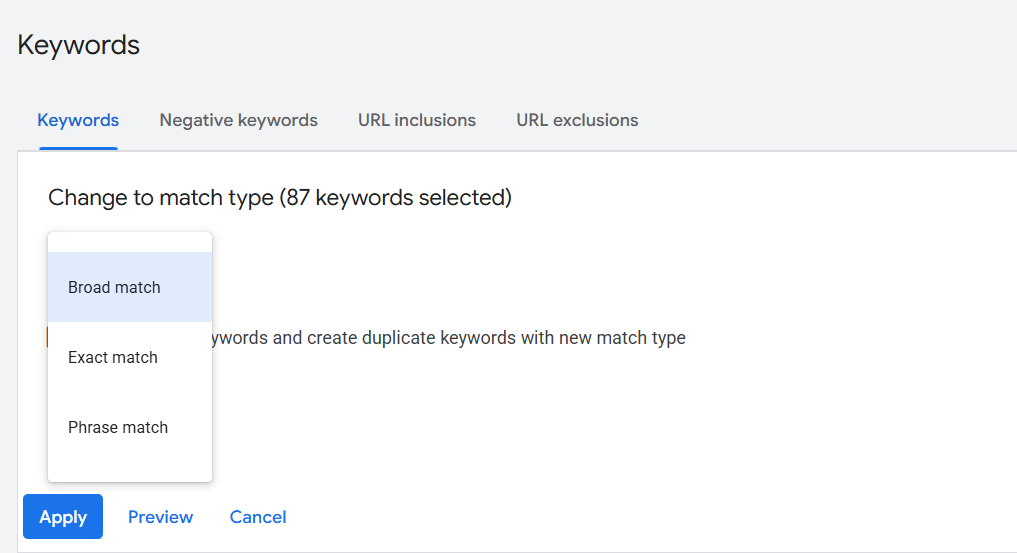
Keywords are the foundation of every search campaign. You choose words people type on Google to find your service. Google also gives match types to control how closely searches must match your keyword:
- Broad match – reaches wider audience
- Phrase match – more control, better intent
- Exact match – highest intent and accuracy
Using the right match type helps avoid waste and brings quality traffic.
Search ads (headlines & descriptions)
Search ads are simple text ads that appear on Google results. They include:
- Headlines (to grab attention)
- Descriptions (to explain your offer clearly)
Good ads use clear words, strong intent, and simple benefits. For example, “Call Now,” “Book Online,” or “Limited Seats Available” work better than complex lines.
Landing pages
A landing page is where users land after clicking your ad. It should:
- Match the keyword and ad message
- Load fast
- Be simple and clear
- Have one main action (call, form, booking)
Even the best ad will fail if the landing page is confusing.
Bidding strategies
Bidding decides how you spend your budget. Inside Google Ads, you can choose:
- Manual CPC (more control)
- Maximize clicks
- Maximize conversions
- Target CPA
Beginners usually start simple and optimize later with data.
Ad extensions (sitelinks, callouts, calls, etc.)
Ad extensions add extra information to your ads and increase clicks. Common ones include:
- Sitelinks – extra pages
- Call extensions – direct phone calls
- Callouts – highlights like “24/7 Support”
- Location extensions – business address
Google data shows ads with extensions get higher CTR than ads without them.
So, What is a Google Search Campaign made of?
It’s a combination of smart keywords, clear ads, strong landing pages, proper bidding, and helpful extensions—all working together to bring the right users at the right time.
Also Read: 50+ Google Ad Formulae Everyone Should Know
Types of Google Search Campaigns
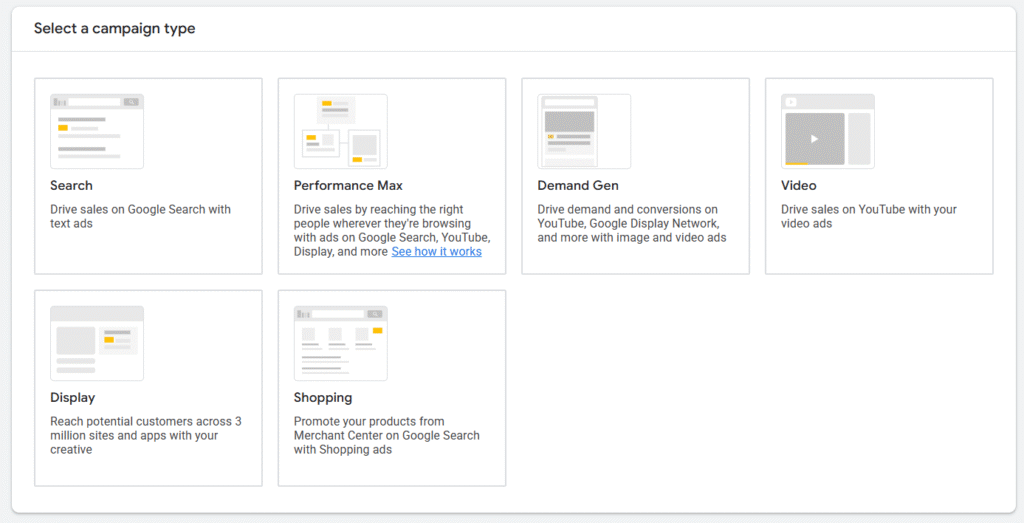
When learning What is a Google Search Campaign, it’s also important to know that not all search campaigns are the same. Google offers different types based on business goals, budget, and user behavior.
Standard Search Campaign
This is the most common and widely used search campaign. You choose keywords, write ads, set bids, and control everything manually. It is best for:
- Lead generation
- Sales-focused businesses
- Service providers
Most beginners start with this type because it gives full control and clear data.
Dynamic Search Ads (DSA)
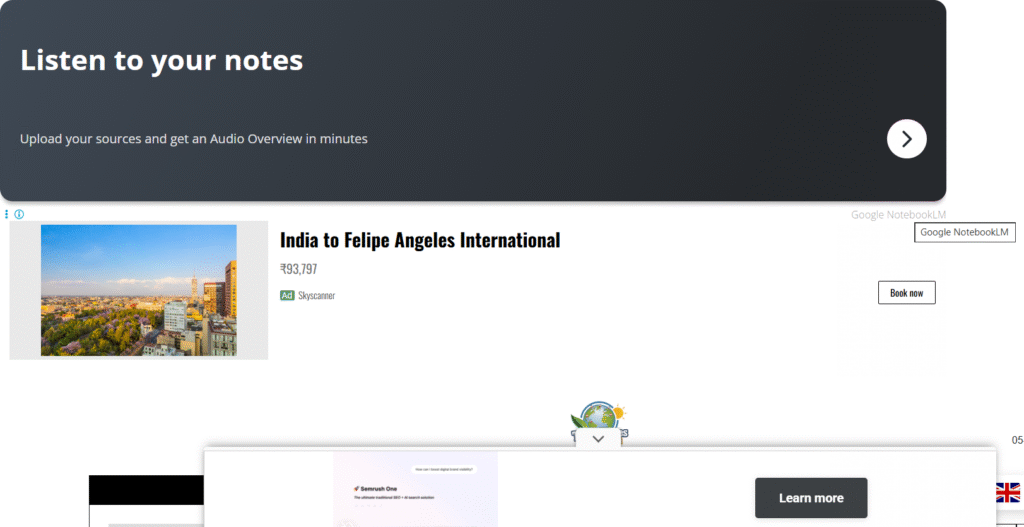
Dynamic Search Ads work differently. Instead of keywords, Google uses your website content to match user searches. This is helpful when:
- You have many services or products
- You don’t want to miss relevant searches
- Your website is well-structured
DSA saves time and helps capture extra traffic you might miss with manual keywords.
Call-only Search Campaigns
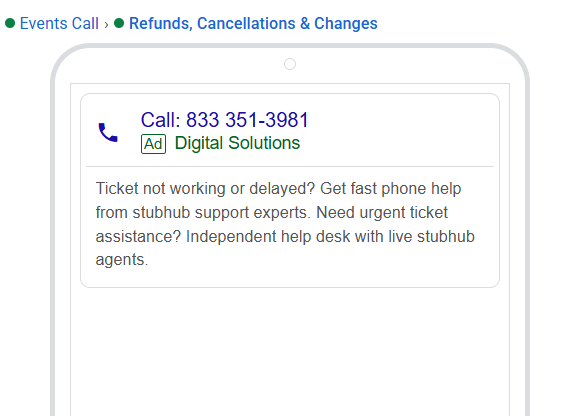
Call-only campaigns are designed to generate phone calls only. These ads show mainly on mobile devices and allow users to call your business directly without visiting a website.
They are perfect for:
- Travel booking services
- Emergency services
- Local businesses that depend on calls
Businesses often see faster conversions because users talk directly to a real person.
Local Search Campaigns (location-based intent)
Local search campaigns focus on users searching near your physical location. These ads appear when people search terms like “near me” or include city names.
They work best for:
- Local service providers
- Clinics, salons, institutes
- Stores and offices with physical locations
Google reports that a large percentage of “near me” searches lead to visits or calls within 24 hours.
So, What is a Google Search Campaign in different forms?
It’s a flexible advertising system that offers multiple campaign types—each designed to match user intent, business needs, and local or national goals.
Also Read: 100+ Google Ads Glossary: Terms & Definition You Should Know
Benefits of Google Search Campaigns
From my experience, this is where people truly understand What is a Google Search Campaign and why businesses rely on it so heavily. Search campaigns are not about showing ads to everyone—they are about showing ads to the right people.
High-intent traffic
The biggest benefit of search campaigns is intent. People clicking search ads are already looking for a solution. Studies show that search ads usually convert better than many other ad formats because users are closer to taking action.
For example, someone searching “book flight tickets today” is far more likely to convert than someone seeing a random ad while scrolling.
Immediate visibility on Google
Unlike SEO, which takes time, search campaigns give instant results. Your ad can appear at the top of Google within minutes after launch. This is powerful for:
- New businesses
- Limited-time offers
- Competitive industries
That instant visibility is a major reason businesses choose search ads.
Budget control and scalability
With search campaigns, you stay in full control. You decide:
- Daily budget
- Maximum cost per click
- When to pause or scale campaigns
You can start small, test performance, and increase budget only when results are profitable. This makes it suitable for both small businesses and large brands.
Measurable ROI and performance tracking
Everything in a search campaign is measurable inside Google Ads. You can track:
- Clicks
- Calls
- Leads
- Cost per conversion
- Return on investment
This clear data helps you optimize and improve results regularly.
So, What is a Google Search Campaign from a benefit point of view?
It’s a powerful tool that delivers ready-to-convert users, fast visibility, controlled spending, and clear performance data—making it one of the most reliable advertising options today.
Also Read: Complete Guide to Google Ads Assets
When Should You Use a Google Search Campaign?
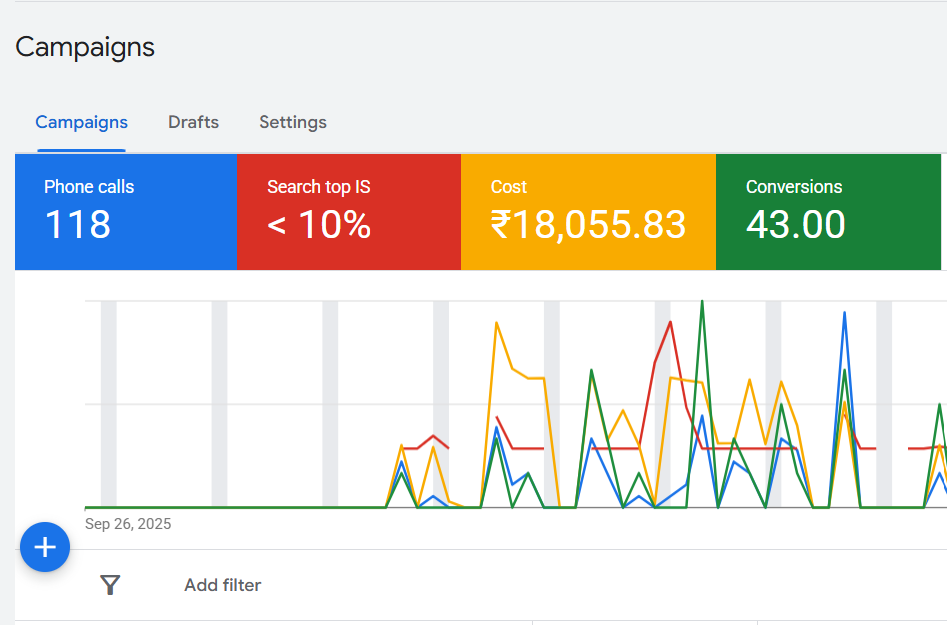
Many people ask me not just What is a Google Search Campaign, but when they should actually use it. The answer is simple—use it when you want real users with real intent.
Lead generation businesses
If your business depends on calls, form fills, or enquiries, search campaigns are a perfect fit. Coaching institutes, consultants, real estate agents, and travel services get strong results because users are already searching with intent like “contact,” “call,” or “near me.”
E-commerce stores
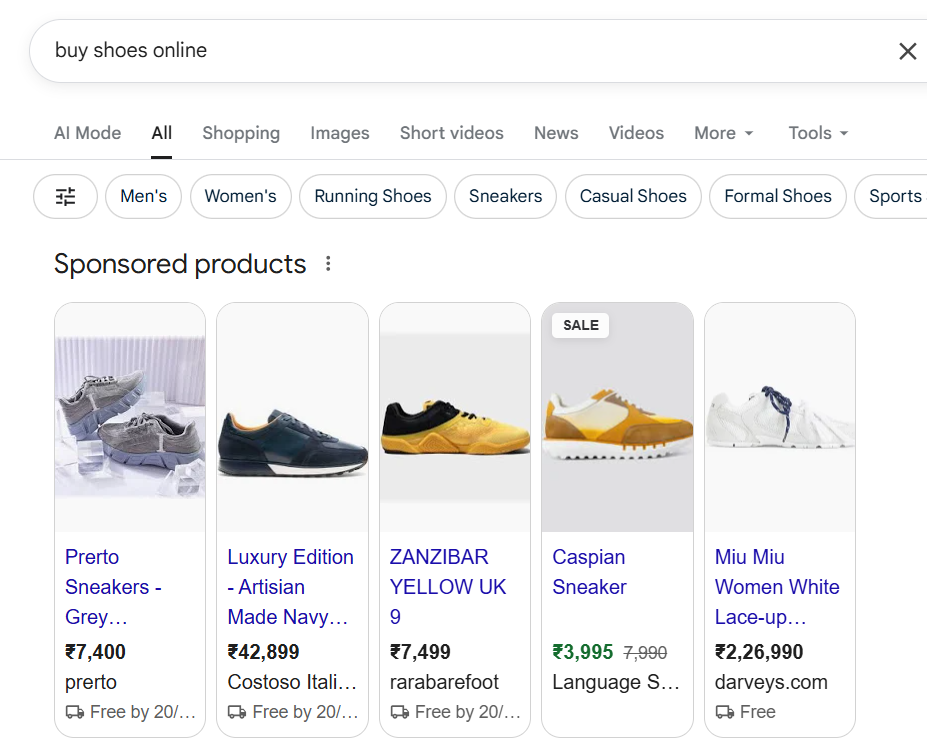
Search campaigns work very well for e-commerce, especially for product-based searches. When users search “buy running shoes online” or “best mobile under 20000,” they already want to purchase. Search ads help you appear at the top and capture that demand instantly.
Service-based companies
Service providers like digital marketing agencies, lawyers, clinics, or repair services benefit the most. These users are usually looking for quick solutions. Search ads bring them directly to your website or phone number without delay.
Local businesses and professionals
Local intent is growing fast. Searches like “salon near me” or “digital marketing institute in Delhi” have high chances of calls and visits. Google data shows that many local searches lead to action within the same day. Running campaigns through Google Ads helps local professionals stay ahead of competitors.
So, What is a Google Search Campaign best used for?
It is best used when your goal is leads, sales, calls, or local visibility—especially when users are actively searching and ready to act.
Also Read: Create a Video Campaign Google Ads Help – Complete Guide
Google Search Campaign vs Other Campaign Types
When people understand What is a Google Search Campaign, the next question is how it compares with other ad formats. Each campaign type has a purpose, but search campaigns stand out when intent matters most.
Search vs Display Campaigns
Search campaigns target users actively searching on Google. Display campaigns show image or banner ads on websites and apps while users are browsing.
Search ads usually perform better for leads and sales because users already have intent. Display ads are better for brand awareness but often have lower conversion rates compared to search.
Search vs Performance Max
Performance Max campaigns show ads across Search, Display, YouTube, Gmail, and Discover using automation. While Performance Max offers wider reach, it gives less control.
Search campaigns provide:
- Better keyword control
- Clear intent targeting
- Easier optimization
Many businesses use search campaigns first and scale with Performance Max later.
Search vs Social Media Ads
Social media ads appear while users scroll on platforms like Facebook or Instagram. Users are not actively looking to buy at that moment.
Search ads target users who are already searching for solutions, which is why search campaigns often bring higher-quality leads. Social ads are great for awareness, but search ads are better for conversions.
In simple terms, What is a Google Search Campaign compared to others?
It is the most intent-driven ad format—ideal when your goal is calls, leads, and sales rather than just visibility.
Common Mistakes to Avoid
Even after understanding What is a Google Search Campaign, many businesses lose money because of small but costly mistakes. Avoiding these can save budget and improve results quickly.
Choosing wrong keywords
Selecting broad or irrelevant keywords is a common error. If your keywords don’t match what users actually want, your ads will get clicks but no conversions. Always focus on intent-based keywords that clearly show what the user is looking for.
Ignoring negative keywords
Negative keywords stop your ads from showing for unwanted searches. Without them, your ads may appear for irrelevant terms and waste money. Adding negative keywords regularly helps improve ad quality and lowers costs.
Poor landing page experience
A slow, confusing, or unrelated landing page can ruin your campaign. Even if your ad is good, users will leave if the page does not clearly show what they searched for. Google also rewards better landing pages with lower costs.
Not tracking conversions properly
If you don’t track calls, form submissions, or purchases, you won’t know what’s working. Proper conversion tracking inside Google Ads helps you measure performance and improve ROI.
So, What is a Google Search Campaign without avoiding these mistakes?
It becomes expensive and ineffective. Fixing these basics can often double results without increasing budget.
Also Read: What is Ad Fatigue? How to Identify and Fix it Meta and Google Ad Fatigue?
Best Practices for Running Successful Search Campaigns
Once you truly understand What is a Google Search Campaign, the next step is running it the right way. Small improvements, done regularly, can bring big results over time.
Keyword research tips
Always choose keywords that show clear intent. Focus more on phrases that include words like “buy,” “book,” “near me,” or “price.” Avoid very broad keywords in the beginning. Good keyword research helps reduce waste and brings better leads.
Writing high-converting ad copy
Your ad should be simple, clear, and directly match the search. Use easy words, strong offers, and clear actions like “Call Now” or “Get Free Quote.” Ads that solve a user’s problem quickly usually get more clicks.
Using ad extensions effectively
Ad extensions make your ads bigger and more useful. Sitelinks, call extensions, and callouts improve visibility and trust. Google data shows ads with extensions often get higher click-through rates than ads without them.
Optimizing bids and budgets
Start with a safe budget and watch performance closely. Increase bids only on keywords that convert well. Pause keywords that spend money but don’t bring results. Smart budget control is key to long-term success inside Google Ads.
Regular monitoring and A/B testing
Never set and forget. Check campaigns daily or weekly. Test different headlines, descriptions, and landing pages. Even small A/B tests can improve conversion rates over time.
In simple terms, What is a Google Search Campaign when done right?
It becomes a reliable system that consistently brings quality traffic, strong leads, and steady business growth.
Cost of Google Search Campaigns
One of the most common questions I hear after explaining What is a Google Search Campaign is about cost. The good news is—there is no fixed price. You control how much you spend.
CPC (Cost Per Click) basics
Google Search Campaigns work on a pay-per-click model. This means you pay only when someone clicks your ad, not when it is shown. CPC can range from a few rupees to higher amounts, depending on the industry, keyword competition, and location.
For example, local service keywords usually cost less than highly competitive finance or legal keywords.
Factors affecting ad cost
Several factors decide how much you pay per click:
- Keyword competition
- Quality Score of your ads
- Relevance of your landing page
- Location and time of search
Google often rewards relevant ads with lower costs, meaning better ads can pay less and still rank higher.
Budget planning for beginners
If you are new, start with a small daily budget. Test keywords, ads, and landing pages first. Once you see which keywords bring leads or sales, you can slowly increase the budget. Inside Google Ads, you can pause, change, or scale anytime.
So, What is a Google Search Campaign in terms of cost?
It is a flexible advertising model where you decide the spend, control the risk, and grow only when results are profitable.
How to Measure Performance
Understanding What is a Google Search Campaign is incomplete if you don’t know how to measure its performance. Tracking the right data helps you know what’s working and what needs improvement.
Important KPIs (CTR, CPC, conversions, CPA)
Key performance indicators (KPIs) show the real health of your campaign:
- CTR (Click-Through Rate) – Tells how many people clicked after seeing your ad
- CPC (Cost Per Click) – Shows how much you pay for each click
- Conversions – Actions like calls, form fills, or purchases
- CPA (Cost Per Acquisition) – Cost to get one lead or sale
A good campaign focuses more on conversions and CPA, not just clicks.
Role of Google Analytics & conversion tracking
To track performance correctly, conversion tracking must be set up inside Google Ads and connected with Google Analytics. This helps you see:
- Where users come from
- What they do after clicking
- Which keywords and ads bring real results
Without tracking, you’re only guessing.
Optimization through data insights
Data tells you what to improve. Pause keywords that don’t convert. Increase budget on high-performing ads. Improve landing pages with low conversion rates. Small data-based changes can reduce costs and increase ROI over time.
So, What is a Google Search Campaign when measured properly?
It becomes a data-driven system where every decision is based on real results, not assumptions—helping you grow smarter and faster.
Conclusion
By now, you clearly understand What is a Google Search Campaign and why it plays such an important role in online advertising today. The biggest takeaway is simple—search campaigns help businesses reach people exactly when they are searching for a solution. From keyword targeting and intent-based ads to budget control and performance tracking, everything is designed to bring real results.
Google Search Campaigns are essential for businesses because they deliver high-intent traffic, quick visibility, and measurable returns. Whether your goal is leads, calls, sales, or local visits, search campaigns connect you with users who are already interested and ready to act. This makes them more reliable than many other advertising formats.
For beginners, start small. Focus on the right keywords, write clear ads, and track conversions properly. For marketers, keep testing, optimizing, and improving based on data. When done correctly, What is a Google Search Campaign becomes more than just ads—it becomes a powerful growth engine for your business.
In short, if you want visibility, control, and results, Google Search Campaigns are not optional anymore—they are essential.

Founder at Digital Marketing Marvel | Founder at RKDMT – Raju Kumar Digital Marketing Trainer | Best Digital Marketing Trainer in Delhi/NCR – Digiperform | Project Manager | 5+ years | Genius Study Abroad & Inlingua’s Digital Marketing Head | Learn Digital Marketing
What are Google Display Ads: Basics & Best Practices
[…] tools for businesses that want visibility beyond search results. Many brands understand What is a Google Search Campaign, but Display Ads help reach users even before they start searching. This makes them an important […]
Create a Video Campaign Google Ads Help - Complete Guide
[…] Google Ads, video campaigns perform better when supported by Search Campaigns and Display […]