


Do Keywords Still Matter for SEO? Yes—But Not How You Think
“Do keywords still matter?” remains one of the most searched and debated questions in SEO today—and the confusion is understandable. On one side, you’ll hear bold claims like “keywords are dead”. On the other hand, you’ll still find advice insisting that “keywords are everything.” The truth, however, lives somewhere in between. Both arguments miss how search engines—and SEO itself—have evolved.

The reason keywords are still important keeps resurfacing is simple: Google no longer works the way it did a decade ago, but many SEO opinions are still rooted in that era. Early SEO revolved around exact-match keywords, density formulas, and mechanical placement.
Rankings could often be influenced by repeating a phrase enough times in titles, headings, and body copy. That world no longer exists.
At the same time, declaring keywords obsolete is equally misleading. If keywords truly didn’t matter, Google wouldn’t rely on queries, search terms, or relevance signals at all.
Yet every search still starts with words typed (or spoken) by a user. The difference is how those words are interpreted.
Google’s evolution—powered by AI, natural language processing, semantic search, and intent modeling—has changed the role of keywords, not eliminated it. Algorithms like BERT and RankBrain focus on understanding meaning, context, and user intent rather than just matching strings of text.
This shift is why keywords in modern SEO behave more like relevance indicators than ranking “triggers.”
This is where most confusion comes from. SEO professionals who say “keywords are dead” are reacting to outdated practices like keyword stuffing, exact-match obsession, and robotic content. Those tactics no longer work and often hurt performance.
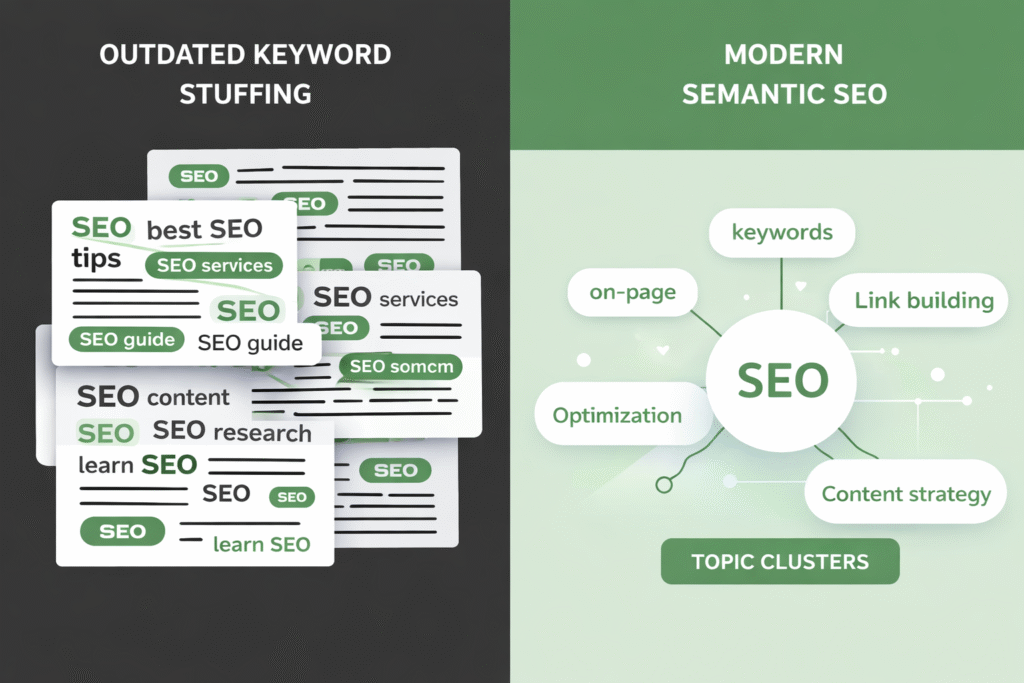
Meanwhile, those who argue “keywords are everything” usually overlook how content quality, topical authority, internal linking, and user satisfaction now dominate modern SEO fundamentals.
So when people ask do keywords still matter, what they’re really asking is: Do I still need to think about keywords the same way I used to? The answer is no—but ignoring them entirely is a mistake.
This article is designed to cut through that noise. It will clearly explain what keywords actually mean today, how they function within modern SEO systems, and how to use them naturally—without stuffing, manipulation, or fear of penalties.
You’ll also see how keyword usage aligns with intent, topical coverage, and how Google evaluates relevance (based on principles outlined in resources like how Google search works).
By the end, you won’t be choosing between extremes. You’ll understand the real, practical role of keywords in today’s SEO—and how to use them intelligently.
Why Keywords Were So Powerful in Early SEO (Historical Context)
To understand why do keywords still matter is such a persistent SEO question today, you first need to understand how search engines worked in the early days.
Much of today’s confusion exists because SEO once revolved almost entirely around keywords—and for a long time, that approach actually worked.
How Search Engines Originally Used Keywords
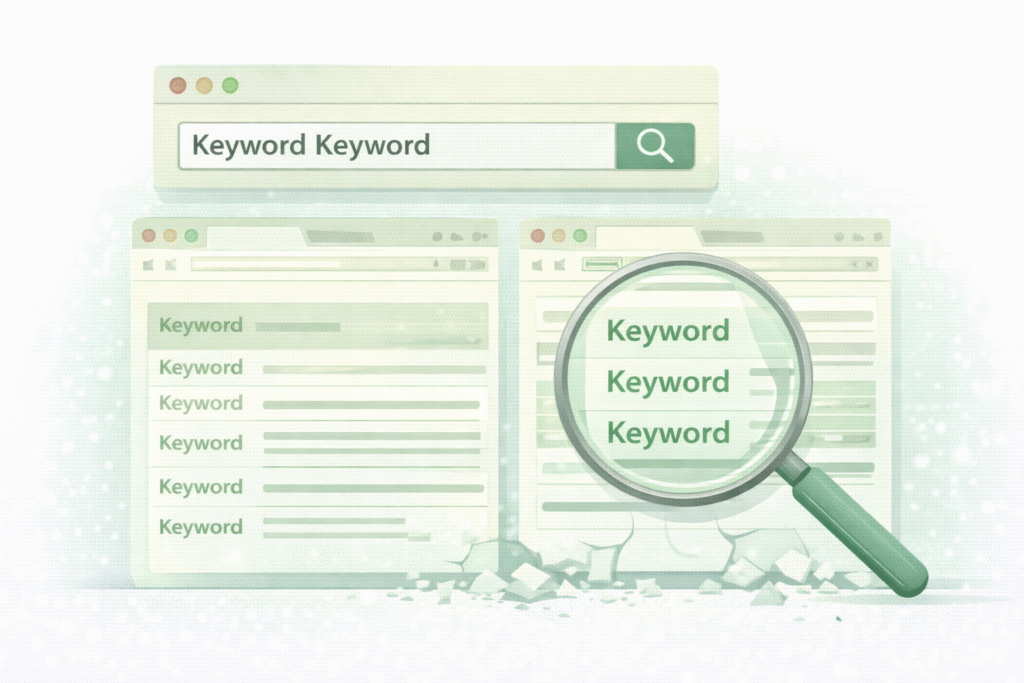
In the beginning, search engines were far less intelligent than they are today. Their primary job wasn’t to understand meaning but to match text. Pages ranked because they contained the same words users typed into the search bar, not because they best answered the query.
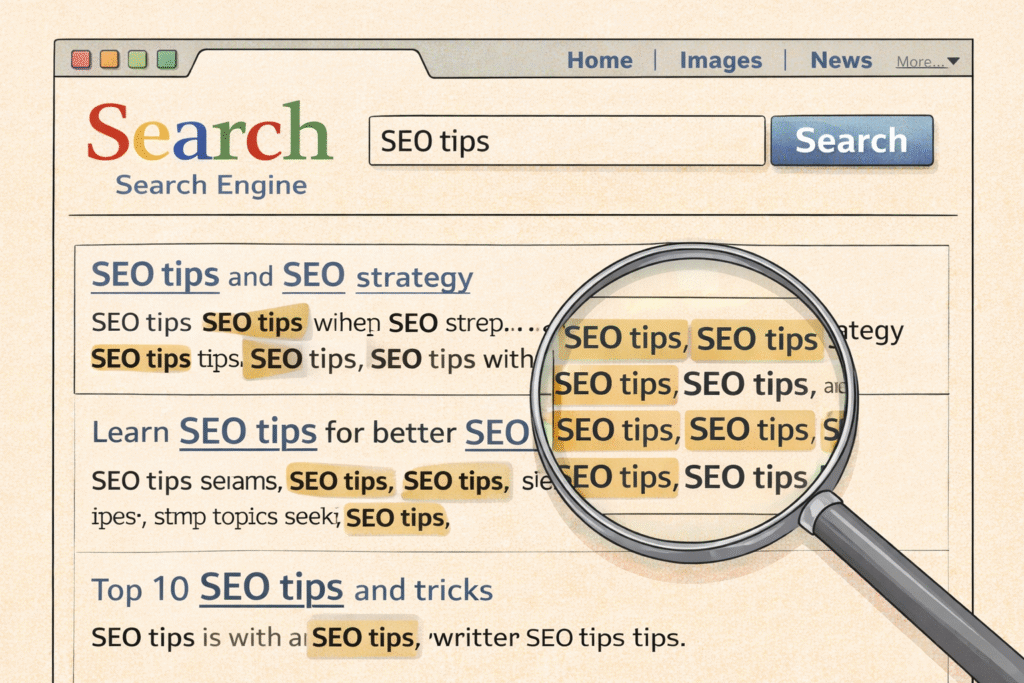
This led to keyword matching vs understanding meaning as the defining limitation of early search. Algorithms scanned pages for exact match keywords, counted how often they appeared, and used that frequency as a relevance signal.
If your page repeated a phrase more than competitors, it often ranked higher—regardless of quality.
This era also gave rise to strict keyword density formulas. SEO advice commonly recommended hitting specific percentages, such as 2% or 3%, to “optimize” a page. Writers were encouraged to force keywords into titles, subheadings, and paragraphs, even when it made content awkward or unreadable.
The problem became worse during the meta keywords era. Website owners could list dozens—or even hundreds—of keywords in the meta keywords tag, telling search engines exactly what they wanted to rank for. Because there was no reliable way to verify accuracy, this system was easily abused.
Pages ranked for topics they barely covered, frustrating users and degrading search quality. Eventually, search engines abandoned meta keywords entirely because they provided more manipulation than value.
If you want a deeper breakdown of how these systems evolved, studying the history of SEO algorithms makes it clear why early keyword strategies dominated for so long.
The Rise of Keyword Stuffing (And Its Consequences)
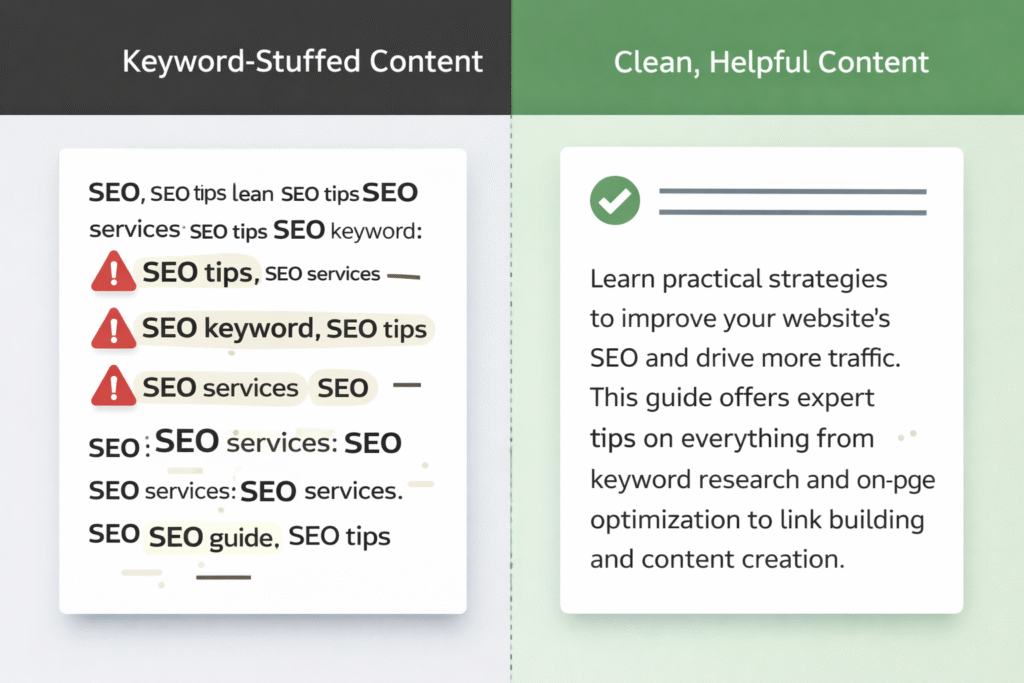
Once SEOs realized how powerful keywords were, misuse became inevitable. Keyword stuffing—repeating phrases excessively to influence rankings—became common practice. Pages were filled with unnatural repetition, hidden text, and blocks of keywords placed purely for search engines, not users.
This behavior is why SEO earned a bad reputation in its early years. Search results were flooded with thin content, low-value articles, and manipulative pages designed to rank rather than help. User trust suffered, and search engines were forced to respond.
Google’s answer came through major algorithm updates that reshaped SEO forever. One of the most important was the Google Panda update, which targeted low-quality, repetitive, and content-farm-style pages.
Panda shifted the focus away from raw keyword usage and toward content quality, originality, and user satisfaction.
This transition is a key reason people still ask do keywords still matter today. Keywords did matter—immensely—but their misuse led to penalties, algorithm changes, and a complete rethinking of relevance.
What followed wasn’t the death of keywords, but the beginning of a smarter, more intent-driven search ecosystem.
Understanding this history explains why modern SEO looks so different—and why keywords no longer work the way they once did.
So… Do Keywords Still Matter Today?
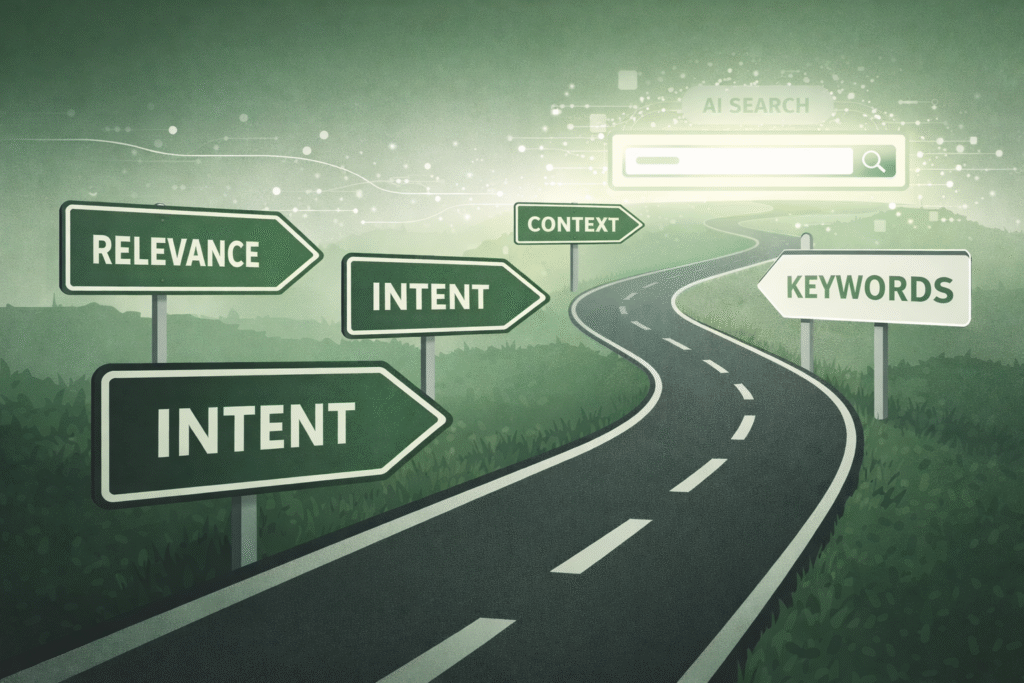
Short answer: yes, keywords still matter—but not in the way many people think. They are no longer direct ranking triggers or mechanical levers you pull to reach the top of Google.
Instead, keywords function as signals of intent and relevance, helping search engines understand what a page is about and which searches it deserves to appear for.
This distinction is critical. When people ask do keywords still matter for SEO, they often mean: Will using the “right” keyword automatically make my page rank? The answer to that is no.
Modern algorithms don’t reward pages simply for repeating phrases. They reward pages that satisfy user intent, provide depth, and demonstrate topical relevance. Keywords are the starting point of that process—not the shortcut.
This is where the difference between keyword usage and keyword obsession becomes clear. Keyword usage means understanding how people search, the language they use, and the problems they’re trying to solve.
Keyword obsession, on the other hand, leads to forced repetition, awkward phrasing, and content written for algorithms instead of humans. One supports modern SEO; the other actively works against it.
So when we revisit the question do keywords still matter, the real issue isn’t whether they matter—it’s how they matter today. Keywords help define context. They guide content structure.
They align pages with search intent in SEO, ensuring that what you publish matches what users expect to find. Without keywords, search engines would struggle to categorize relevance; without intent-focused content, keywords alone do nothing.
Google’s use of machine learning systems like Google’s RankBrain system reinforces this shift. RankBrain evaluates how users interact with results—clicks, dwell time, satisfaction—not just whether a phrase appears on a page.
Keywords help Google understand the topic, but behavior confirms whether the result deserves to rank.
This is why the importance of keywords today lies in interpretation, not repetition. They’re the bridge between human questions and algorithmic understanding.
And that’s why do keywords still matter keeps coming up—because the answer has changed, even though keywords themselves haven’t disappeared.
In modern SEO, keywords don’t rank pages. Relevance does—and keywords help define that relevance.
How Google Actually Understands Content Today
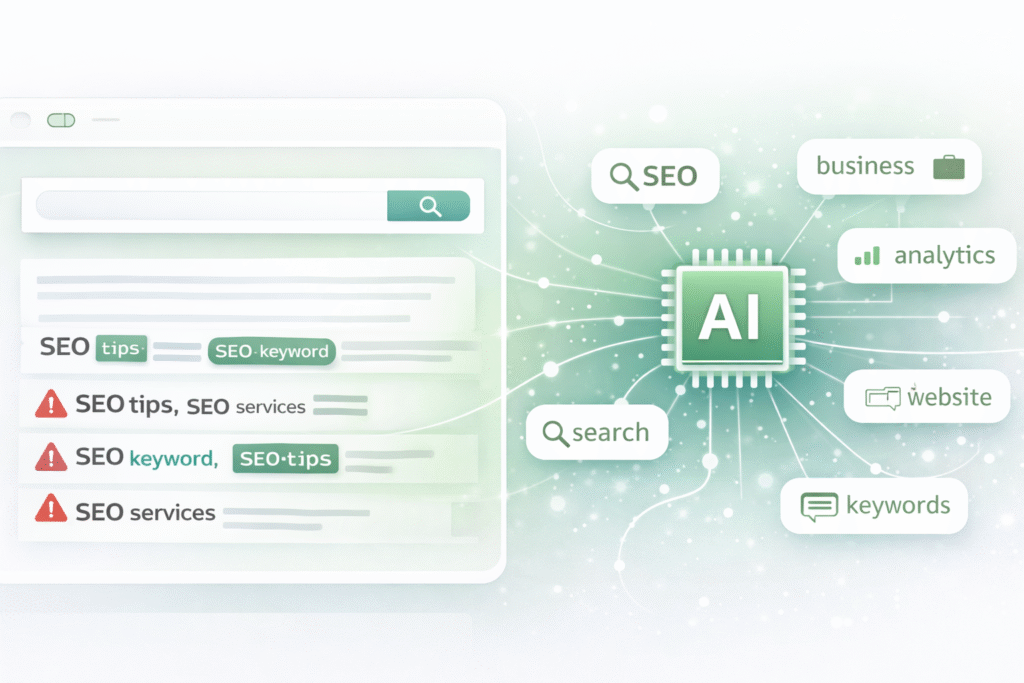
To truly answer do keywords still matter, you have to understand how Google interprets content now—not how it worked ten or fifteen years ago. Modern search is no longer about matching strings of text.
It’s about understanding concepts, relationships, and intent at a much deeper level.
From Keywords to Concepts
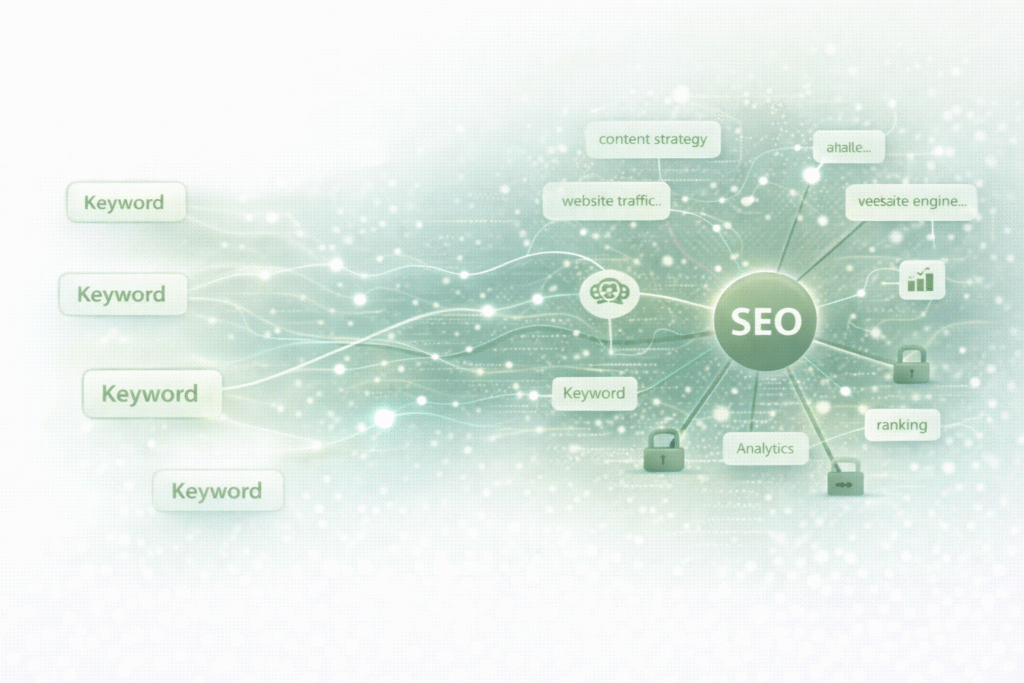
Early SEO treated keywords as literal strings. Today, Google treats them as signals pointing to ideas. This shift from strings to meaning is one of the most important changes in search history.
At the core of this evolution is entity-based understanding. An entity is a clearly defined concept—such as a person, place, brand, or topic—that exists independently of the exact words used to describe it. Google doesn’t just see the phrase “digital marketing strategy”; it understands how that concept relates to SEO, content marketing, analytics, and user intent.
This is why topic-level understanding now outweighs repetition. A page that thoroughly explains a subject using varied language, examples, and subtopics often outperforms a page that repeats the same phrase multiple times. Context matters more than frequency. Relevance is built by coverage, clarity, and connections—not by hitting a keyword density target.
This approach is central to semantic SEO, where the goal is to fully address a topic rather than force exact phrases into every paragraph. When people ask do keywords still matter, the modern answer is yes—but only when they support conceptual clarity rather than mechanical optimization.
Role of NLP, BERT, and Helpful Content Systems

Google’s advances in natural language processing (NLP) are what made this shift possible. Systems like BERT allow Google to interpret how words relate to each other within a sentence, not just what individual words appear on a page.
The Google BERT update was a turning point because it helped the algorithm understand nuance, context, and conversational phrasing. This is especially important for natural language search, where users phrase queries as questions or full thoughts rather than keyword fragments.
Google can now recognize that different phrasings may reflect the same intent—even if the exact wording changes.
Because of this, synonyms and varied expressions matter more than repetition. Writing naturally improves clarity for users and interpretation for search engines. Forced keyword usage, by contrast, disrupts flow and sends negative quality signals.
This is where stuffing becomes actively harmful. Excessive repetition doesn’t reinforce relevance anymore—it suggests manipulation.
Google’s Helpful Content Update reinforced this by prioritizing content written for people, not algorithms. Pages that exist primarily to rank, rather than to help, are more likely to lose visibility over time.
In this environment, do keywords still matter becomes a question of alignment, not volume. Keywords help indicate topic focus, but meaning is confirmed by depth, structure, and usefulness.
Why Exact-Match Keywords Are No Longer the Goal
That doesn’t mean exact-match keywords are completely irrelevant. They can still help in specific situations—such as page titles, URLs, or when clarifying a primary topic. Used sparingly and naturally, they can reinforce relevance without harming readability.
However, exact match backfires when it becomes the goal instead of the guide. Pages built around rigid phrasing often feel unnatural, limit topical coverage, and fail to address related questions users actually care about.
This narrow focus can weaken performance compared to content that demonstrates broader understanding.
Modern SEO rewards pages that explain, connect, and satisfy intent. Keywords support that process, but they don’t define it. That’s why strategies centered on semantic SEO strategy consistently outperform those stuck in old-school optimization habits.
So, do keywords still matter in today’s search landscape? Yes—but only as part of a larger system focused on meaning, intent, and helpfulness. Google doesn’t rank pages because they repeat words.
It ranks pages because they understand the topic—and prove it through content that actually serves users.
Keywords vs Search Intent — The Real SEO Battlefield
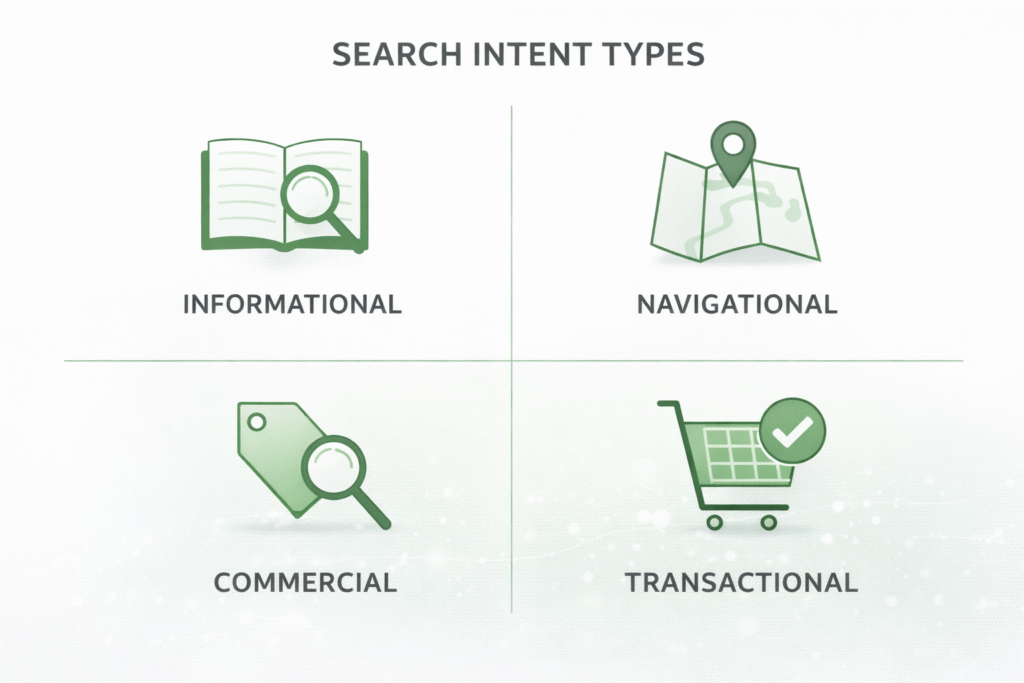
If early SEO was about keywords, modern SEO is about intent. This is where the real competition happens today—and why asking do keywords still matter without discussing intent leads to the wrong conclusions.
Keywords still exist, but they only work when they align with why a user is searching in the first place.
What Search Intent Really Means
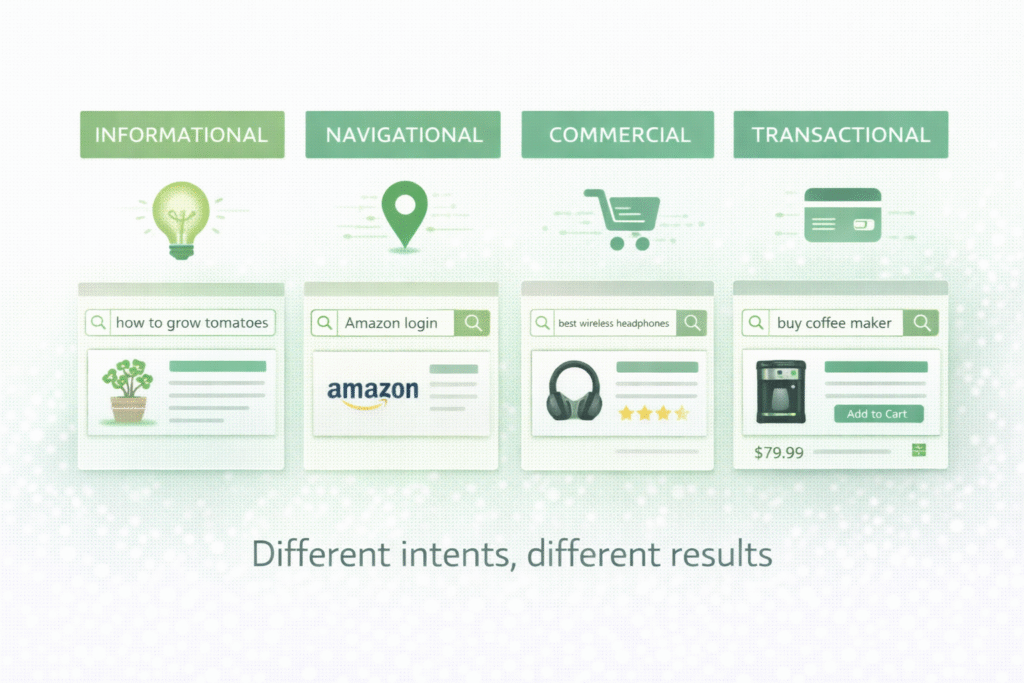
Search intent refers to the underlying goal behind a query. Google doesn’t just ask what words were used; it asks what the user is trying to accomplish. Broadly, intent falls into four main categories:
- Informational: The user wants to learn something. Examples include definitions, explanations, or how-to guides.
- Navigational: The user wants to reach a specific website or brand.
- Commercial: The user is researching options before making a decision, such as comparisons or reviews.
- Transactional: The user is ready to take action—buy, sign up, or contact.
Understanding these categories is essential for search intent optimization. Two people can type nearly identical queries but expect completely different results based on intent signals. Google’s job is to identify that intent and surface the most appropriate content type—not just the most keyword-rich page.
This is why keyword intent matters more than keyword presence.
Why Intent Alignment Beats Keyword Frequency
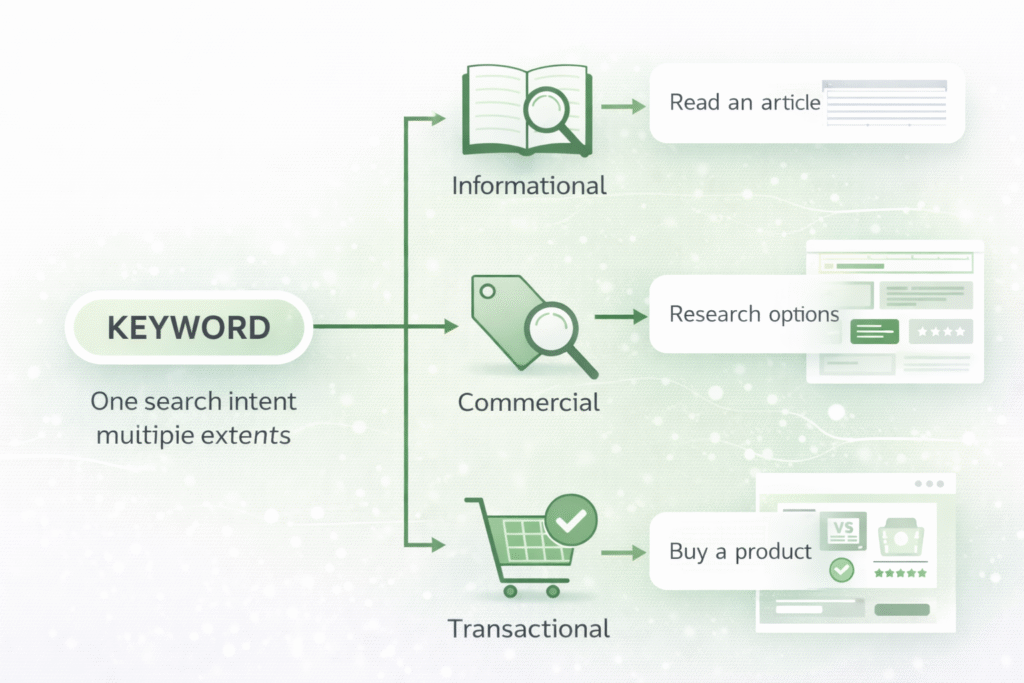
One of the biggest reasons pages fail today—even when they use the “right” keywords—is intent mismatch. A page may technically include a target phrase, but if it doesn’t satisfy the user’s goal, it won’t rank or convert.
Consider a single keyword phrase. One user may want an explanation, another a comparison, and another a place to buy. If your page delivers a blog-style explanation for a transactional query, no amount of repetition will save it. This is why keyword frequency has lost power as a ranking lever.
This shift explains much of the ongoing debate around do keywords still matter. Keywords alone don’t signal success anymore. Google evaluates engagement, satisfaction, and usefulness to determine whether a page fulfills intent. When users bounce, don’t interact, or continue searching, the algorithm learns that the result wasn’t helpful.
That’s why pages fail even with “correct” keywords. They answered the wrong question.
Mapping Keywords to Intent (Not Density)
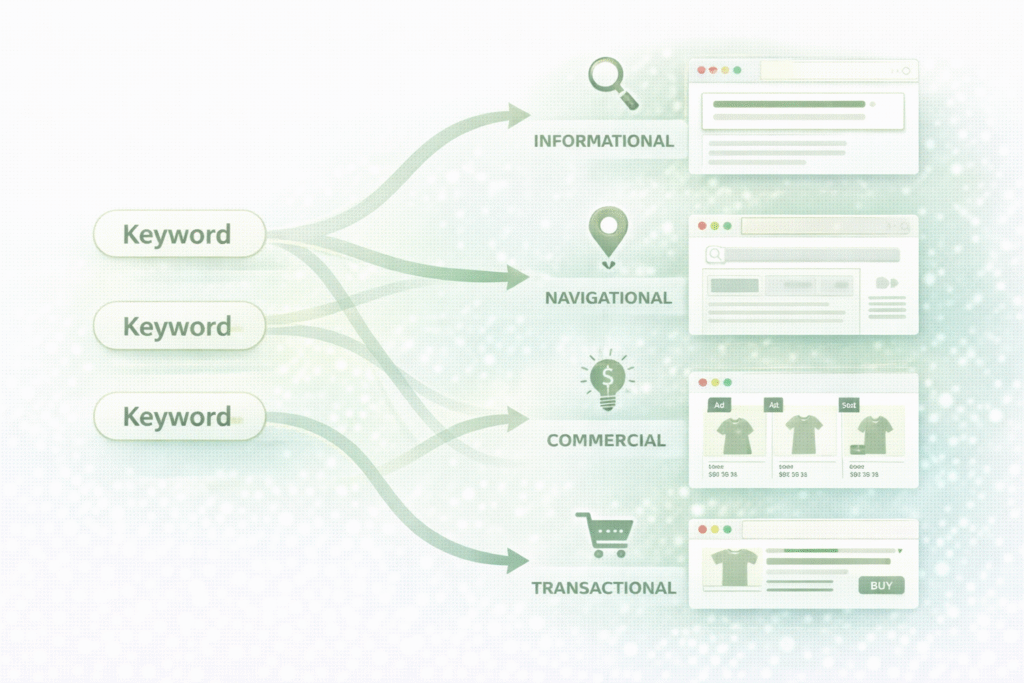
Modern keyword research isn’t about counting occurrences—it’s about classification. The goal is to choose keywords that support intent rather than force it.
Effective intent-based keyword research starts by analyzing the search results themselves. What types of pages are ranking? Are they guides, product pages, comparison lists, or landing pages? Google is already showing you the dominant intent behind a query. Your job is to match it.
From there, keywords help structure content, clarify topical focus, and reinforce relevance—but only within the correct intent framework. This is where do keywords still matter fits into intent-based SEO. They matter as alignment tools, not optimization tricks.
Instead of chasing density, successful SEO teams map primary keywords to intent types and support them with related phrases that naturally expand coverage. This approach improves clarity, user experience, and ranking stability at the same time.
Google’s evaluation framework, outlined in resources like the Google Search Quality Rater Guidelines, reinforces this philosophy. Pages are judged on how well they meet user needs, not how many times a term appears.
So in the real SEO battlefield—keywords vs intent—intent always wins. Keywords still matter, but only when they help Google and users understand that your page is the right answer for the search, not just a page that happens to contain the right words.
Where Keywords Still Matter (And Where They Don’t)
One of the biggest mistakes in modern SEO is assuming keywords either matter everywhere or nowhere. The reality is more nuanced. Do keywords still matter? Yes—but only in specific, strategic locations.
Understanding where they help and where they’re overvalued is essential for applying keyword placement best practices correctly.
Places Where Keywords Still Matter
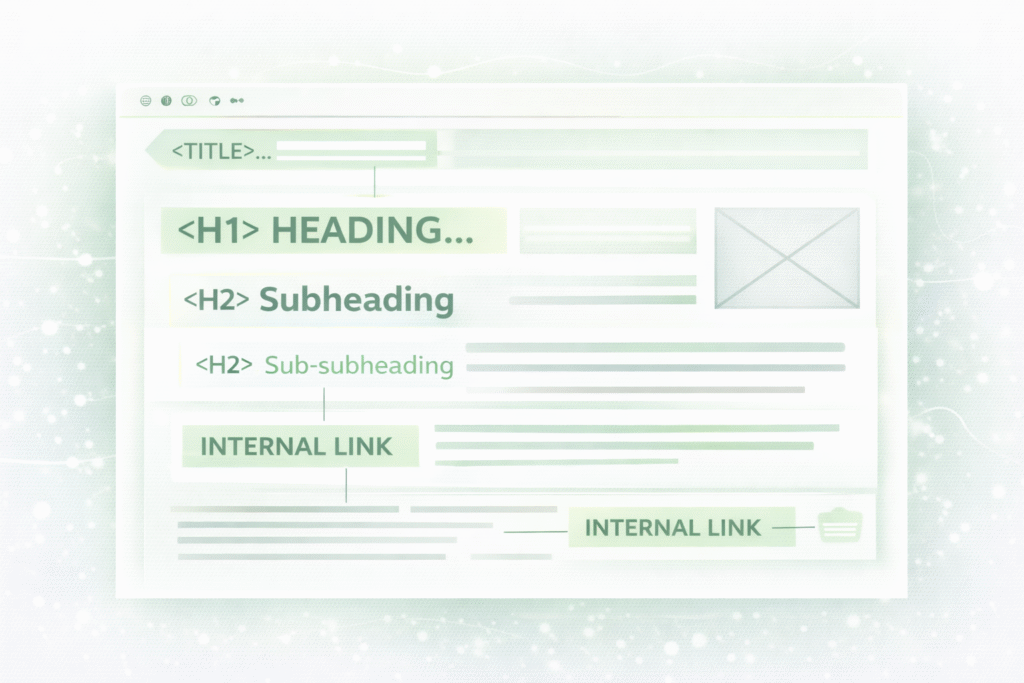
There are several on-page elements where keywords continue to play an important role in clarity, relevance, and discoverability.
Title tags
Title tags remain one of the strongest on-page signals. Including a primary keyword here helps both users and search engines immediately understand the page’s topic. This isn’t about stuffing—it’s about alignment. A clear, descriptive title improves click-through rates and reinforces relevance.
Headings (H1–H3)
Headings structure content for readers and search engines. Using keywords or close variations in headings helps define topical sections and improves scanability. This supports comprehension rather than manipulation, which is why headings remain a legitimate place for thoughtful keyword use.
URLs
Clean, readable URLs with relevant keywords provide context at a glance. While URLs alone won’t drive rankings, they support usability and reinforce topical focus when kept short and descriptive.
Anchor text
Anchor text is one of the clearest ways to communicate context. Internally, descriptive anchors help search engines understand how pages relate to each other. Externally, they signal what a linked page is about. This is a core element of strong on-page SEO best practices.
Internal linking context
Beyond the anchor text itself, the surrounding context matters. Keywords used naturally around internal links help define relevance without appearing forced. This contextual signaling is far more effective than isolated repetition.
These areas explain why do keywords still matter remains a valid question—they still help define structure, topic, and relationships when used intentionally.
Places Where Keywords Matter Less Than You Think
Just as important is knowing where keywords no longer provide meaningful value.
Paragraph repetition
Repeating the same phrase throughout the body content rarely improves rankings. Once a topic is clearly established, additional repetition adds little and can even hurt readability.
Forced exact-match usage
Exact-match phrases used unnaturally break flow and signal over-optimization. Google understands variations, synonyms, and phrasing differences, making rigid repetition unnecessary.
Meta keyword tags
These are completely obsolete. Search engines ignore them due to historical abuse. Including them has no SEO benefit today.
Overemphasizing these areas is often why people conclude that keywords “don’t work anymore.” In reality, they’re just being applied where they no longer matter.
The Balance Between Clarity and Natural Writing
The modern approach to keywords is balanced. Write for humans first—clear explanations, logical flow, and useful content. Optimize for machines second by ensuring structure, headings, and linking make that content easy to interpret.
This balance answers do keywords still matter more accurately than either extreme. Keywords help with clarity and organization, not manipulation. They guide understanding, not rankings by force.
Following trusted resources like the Google SEO Starter Guide reinforces this philosophy: focus on helpful content, clear structure, and natural language. When keywords support those goals, they add value. When they interfere, they should be reduced or removed.
In today’s SEO, keywords still matter—but only when they serve meaning, usability, and intent.
Keyword Variations, Synonyms, and Topical Depth
If repetition once defined SEO, variation defines it today. This shift is a major reason the question do keywords still matter keeps resurfacing—because keywords still play a role, but not through repetition. They matter through coverage, context, and completeness.
Why Keyword Variations Matter More Than Repetition
Modern search engines are designed to understand meaning, not just match words. This is where keyword variations become more powerful than repeating a single phrase over and over.
Semantic relevance allows Google to see how closely your content aligns with a topic as a whole. When a page naturally includes related terms, subtopics, and supporting ideas, it signals genuine understanding. This is far more valuable than hitting a numerical frequency target.
Variations also help address related questions users may have. A single keyword rarely captures the full intent behind a search. By covering connected queries and concerns, your content becomes more useful and more likely to satisfy diverse user needs.
Contextual phrasing plays a key role as well. People search in different ways—short queries, full questions, conversational language. Content that reflects these patterns reads naturally and aligns with how modern search systems interpret relevance.
This is why asking do keywords still matter misses the deeper truth: it’s not about the exact words, but about the ideas they represent.
Examples of Natural Keyword Expansion
Effective keyword expansion starts with a core keyword that defines the main topic. This anchors the page and establishes focus.
From there, supporting phrases add depth. These may include synonyms, closely related concepts, or phrases that clarify subtopics. They help search engines understand the scope of coverage without forcing repetition.
Finally, conversational queries reflect how users actually search—especially with voice search and AI-powered results. Questions, comparisons, and problem-based phrasing expand relevance while keeping content human-friendly.
Together, these layers create a natural language ecosystem where keywords reinforce meaning rather than interrupt it. This approach directly supports topical authority, showing that the content doesn’t just mention a subject—it explores it thoroughly.
How AI Search Rewards Topic Coverage
AI-driven search systems evaluate content holistically. They look for signals of content completeness, depth, and usefulness across an entire topic area. Pages that answer multiple related questions, explain nuances, and connect ideas tend to perform better over time.
This is where topical authority becomes a competitive advantage. When your content consistently demonstrates understanding across a subject—not just one keyword—you build trust with both users and search engines. Over time, this authority compounds, making it easier to rank for new and related queries.
Google has repeatedly emphasized expertise and usefulness as ranking priorities, aligning with its broader concept of expertise in content evaluation. Keywords support this process, but they are not the focus—they’re the framework that helps structure meaningful information.
So, do keywords still matter in the age of AI search? Yes—but as building blocks for topical depth, not repetition. The real goal is to cover a topic so well that keywords feel inevitable, not forced.
Common Keyword Myths That Still Hurt Rankings
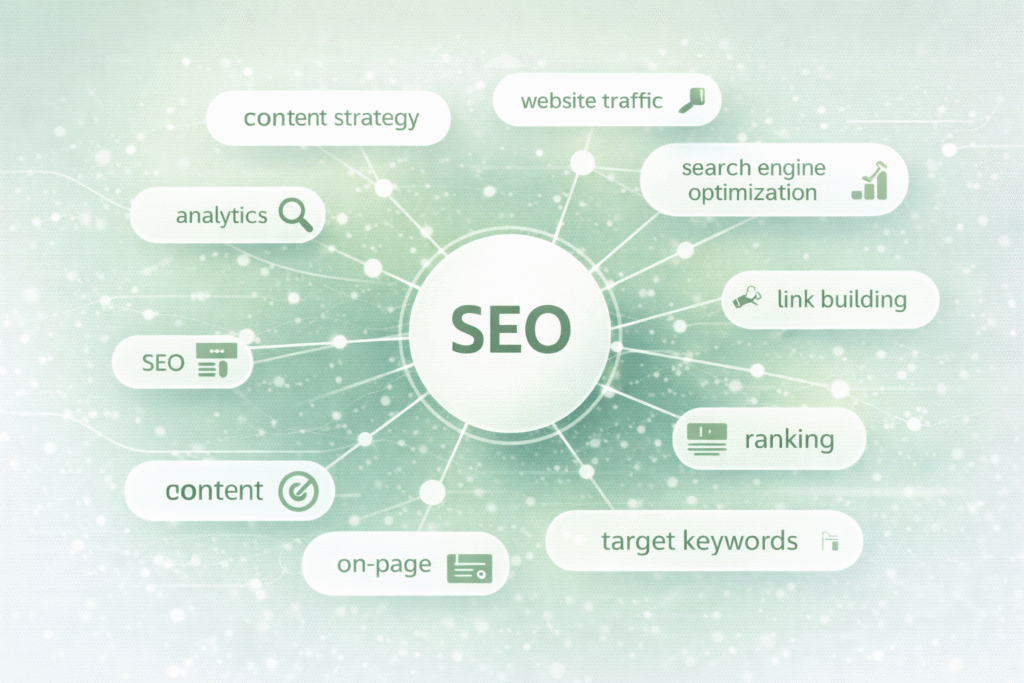
Despite how much SEO has evolved, outdated beliefs about keywords continue to hold websites back. These SEO myths often come from advice that once worked but no longer applies. To move forward, it’s important to debunk them—without blaming or shaming the people who followed them.
“Keywords Are Dead”
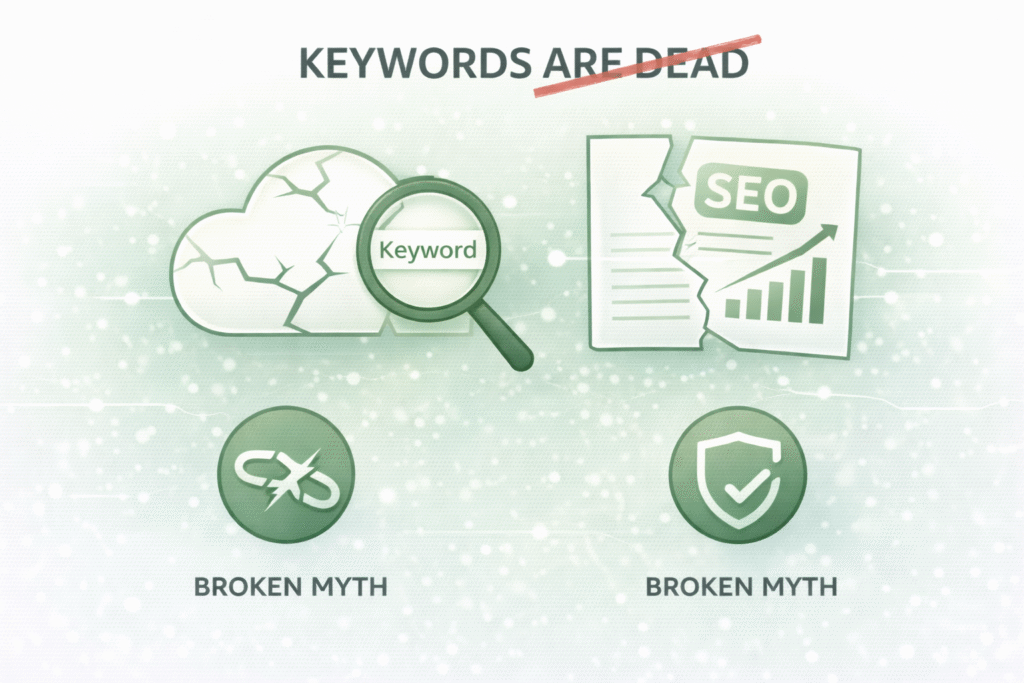
This is one of the most common and misleading claims in SEO. Keywords aren’t dead—they’ve just changed roles. When people say this, they’re usually reacting to the failure of old tactics like keyword stuffing or exact-match obsession.
The reality is that search still begins with words. Users type or speak queries, and Google still needs signals to understand what a page is about. This is why do keywords still matter continues to be asked. The answer isn’t no—it’s not in the old way.
Keywords now help define topics, intent, and context rather than acting as direct ranking levers. Declaring them “dead” often leads to content that lacks focus, structure, or relevance.
“More Keywords = Better Rankings”
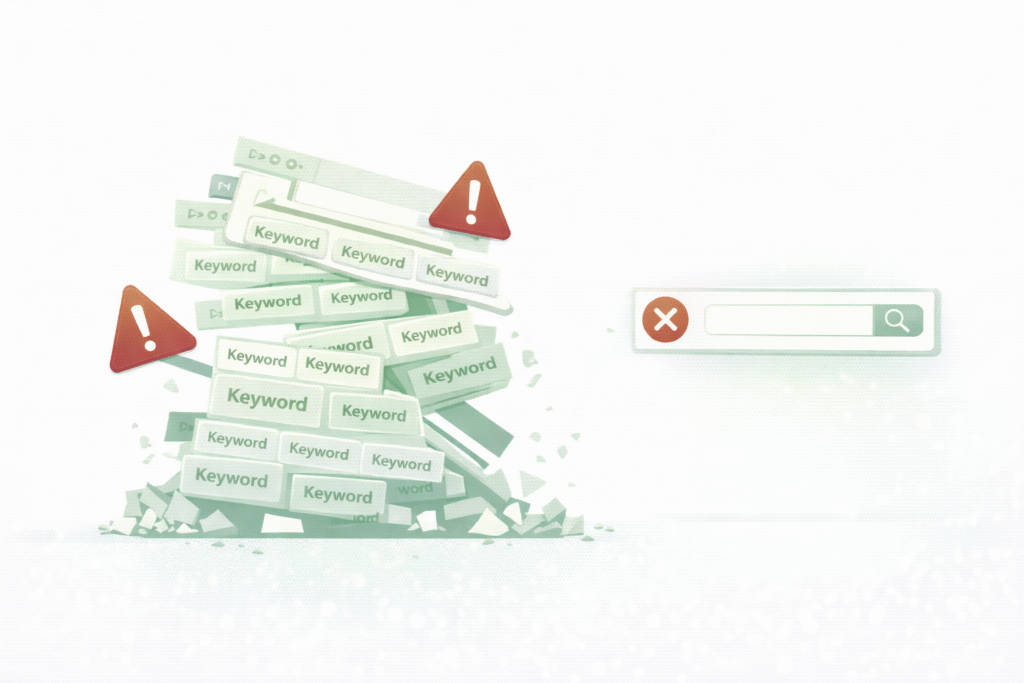
Another persistent myth is that increasing keyword usage improves rankings. This belief comes from the early days of SEO, when frequency played a larger role.
Today, more keywords often lead to worse results. Overuse creates unnatural writing, reduces clarity, and can trigger quality signals associated with manipulation. Google understands variations, synonyms, and context, so repetition adds little value once a topic is established.
This myth is a major reason people conclude do keywords still matter—because they apply them incorrectly and see no results. Quality, depth, and intent alignment consistently outperform sheer volume.
“One Keyword Per Page”
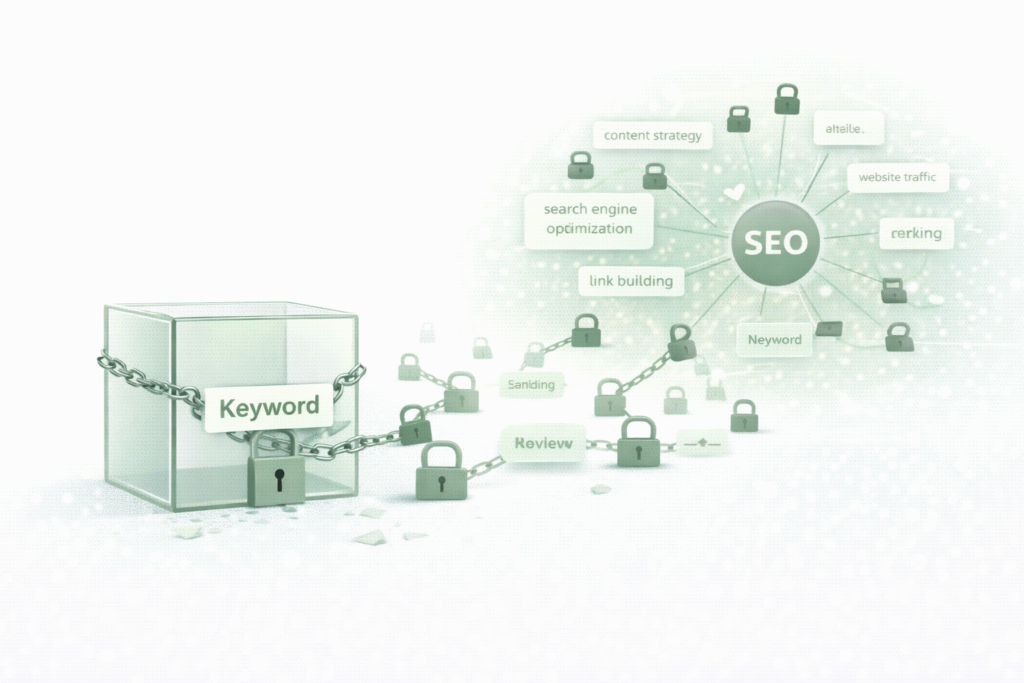
This myth suggests that every page should target a single keyword and nothing else. While focus is important, rigidly limiting a page to one phrase restricts its ability to address related questions and user needs.
Modern pages rank for dozens or even hundreds of queries because they cover a topic comprehensively. Supporting phrases, variations, and related concepts strengthen relevance rather than dilute it.
The smarter approach is to anchor a page around one primary topic while naturally supporting it with related language. This aligns with how Google evaluates topical depth and user satisfaction.
If you want a deeper breakdown of outdated beliefs and why they persist, exploring SEO myths explained helps clarify what to leave behind—and what to adapt.
Keywords aren’t the enemy. Myths are. When you replace outdated assumptions with modern understanding, keywords become tools for clarity rather than obstacles to ranking.
How to Use Keywords Correctly in 2026 and Beyond
As search continues to evolve, the question do keywords still matter isn’t going away—but the answer is becoming clearer.
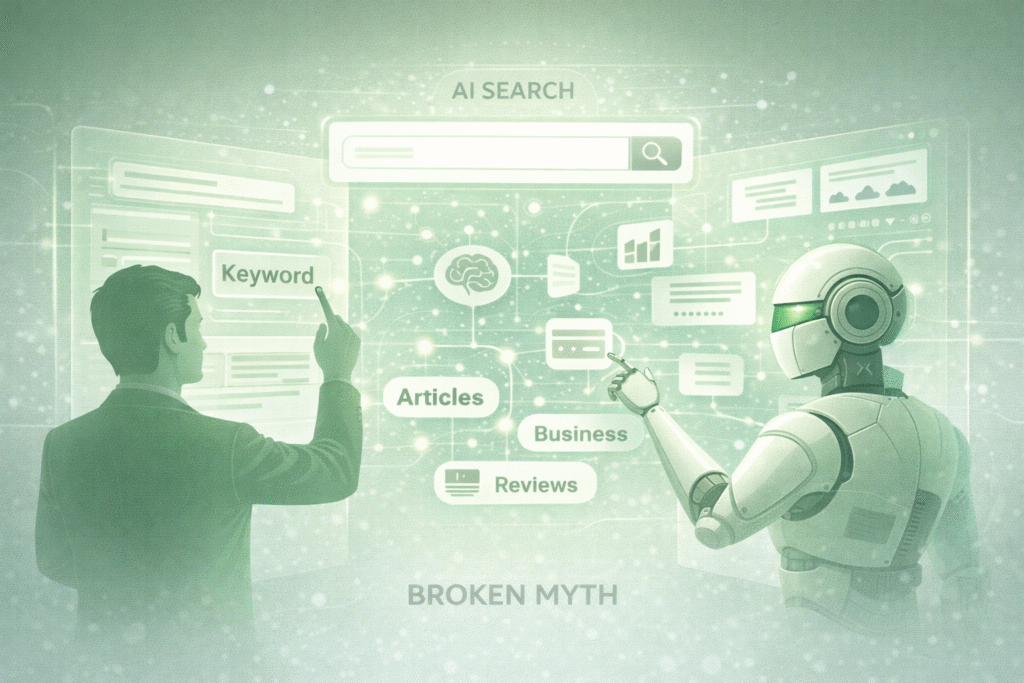
Keywords are no longer the foundation of SEO strategy; understanding is. In the future of SEO, keywords support relevance, but intent, depth, and usefulness drive performance—especially in AI-driven search environments.
Start With Topics, Not Keywords
Modern SEO begins at the topic level. Instead of asking, Which keyword should I rank for? The better question is, What problem am I solving? Topics naturally encompass multiple queries, variations, and user intents.
By starting with topics, you create content that scales. A well-covered topic attracts long-tail queries, semantic variations, and evolving search behavior over time. Keywords still play a role here—but as indicators of how people express interest in a topic, not as constraints on what you can say.
This approach is central to any future-proof SEO strategy, because topics remain stable even as specific queries change.
Use Keywords as Alignment Signals
In modern SEO, keywords act as alignment signals between three things: user intent, content focus, and search engine interpretation. They help confirm that your content matches what users are looking for.
This is where do keywords still matter in today’s landscape. Keywords guide structure—titles, headings, internal links—but they don’t dictate content. Their job is to reinforce clarity, not force repetition.
Used correctly, keywords help Google understand what your page is about and help users understand why it’s relevant to them. Used incorrectly, they distract from meaning and weaken trust.
Optimize for Understanding, Not Algorithms
Search engines now evaluate content in ways that closely mirror human judgment. AI systems analyze coherence, completeness, and usefulness—not just syntax.
Optimizing for understanding means answering related questions, explaining concepts clearly, and providing context where needed. It also means embracing variation in phrasing, examples, and explanations. This aligns with how AI-driven search systems interpret content holistically.
Resources like the Google AI search overview reinforce this shift toward comprehension over mechanics. Algorithms are no longer fooled by technical tricks—they reward genuine clarity.
This is why do keywords still matter has a nuanced answer: they matter only when they contribute to understanding.
Write Like a Human, Edit Like an SEO
The most effective workflow today separates creation from optimization. Write the first draft as if no algorithm exists. Focus on clarity, flow, and usefulness.
Then, edit like an SEO. Add keywords where they naturally clarify intent—titles, headings, internal anchors. Remove forced phrases. Improve structure and readability. This balance preserves human quality while ensuring machine interpretability.
In 2026 and beyond, SEO success won’t come from mastering keyword formulas. It will come from mastering communication—between you, your audience, and search engines.
So, do keywords still matter? Yes—but only when they support meaning, intent, and clarity. In the future of SEO, keywords aren’t the strategy. They’re the supporting cast.
Final Answer — Do Keywords Still Matter?
So, do keywords still matter? The clear answer is yes—but their role has been fundamentally redefined.
Keywords are no longer tools for manipulation or shortcuts to rankings. They don’t work as isolated ranking triggers, and they can’t compensate for poor content, weak intent alignment, or shallow coverage. What they do provide is relevance.
Keywords help search engines understand what a page is about and help users quickly recognize whether that page matches their needs.
This shift is why the debate around do keywords still matter continues. Many outdated practices failed, leading some to abandon keywords entirely. Others still cling to frequency-based tactics that no longer deliver results. Both approaches miss the modern reality.
In today’s SEO landscape, keywords support three core elements: intent, clarity, and topical depth. Intent determines why a user is searching. Clarity ensures content is easy to understand and well-structured.
Topical depth proves expertise by covering a subject comprehensively. Keywords act as connectors between these elements—not as the driving force behind them.
When keywords are used naturally—in titles, headings, internal links, and context—they reinforce meaning. When they’re forced, repeated, or treated as targets rather than guides, they weaken content and reduce trust.
The final takeaway is simple: do keywords still matter? Yes—but only when they serve understanding instead of manipulation. SEO success today comes from aligning language with intent, covering topics thoroughly, and writing for humans first.
Keywords haven’t disappeared. They’ve grown up.
If this article helped you rethink how keywords work in modern SEO, the next step is simple: apply it correctly.
Start by reviewing your current pages. Look beyond keyword counts and ask whether your content truly aligns with search intent, covers the topic in depth, and communicates clearly to real users. Shifting from outdated keyword tactics to intent-driven SEO is what separates short-term results from long-term growth.
Do keywords still matter for SEO today?
Yes, keywords still matter for SEO, but their role has changed. They help search engines understand topic relevance and user intent rather than acting as direct ranking triggers.
If keywords still matter, why do people say they are dead?
People say keywords are dead because old practices like keyword stuffing no longer work. Modern SEO focuses on intent, context, and topical relevance—not repetition.
How many times should a keyword appear in content?
There is no fixed number. Keywords should appear naturally where they make sense. Search engines prioritize clarity and relevance over keyword density.
Do exact-match keywords still help rankings?
Exact-match keywords can help in titles or headings for clarity, but they are no longer required throughout the content. Natural language performs better in modern SEO.
Is keyword research still important if Google understands intent?
Yes, keyword research is still important because it reveals how users search, what questions they ask, and what intent they have—even if Google understands language better now.
What matters more than keywords in SEO?
Search intent, content depth, topical authority, internal linking, and user experience matter more than simply placing keywords on a page.
Can one page rank for multiple keywords?
Yes. A single page can rank for many related keywords if it covers the topic comprehensively and aligns well with user intent.
How do keyword variations help SEO?
Keyword variations help search engines understand context and topic depth. They improve semantic relevance without relying on repetitive phrasing.
Are keywords still important for AI-driven search?
Yes. Even AI-driven search systems use keywords as signals to interpret meaning, intent, and relevance within content.
What is the best way to use keywords in modern SEO?
The best approach is to write for humans first, use keywords to support clarity, focus on intent, and cover topics fully rather than chasing exact matches.
If you want structured guidance and practical learning to master modern SEO fundamentals the right way, get in touch:
💡 Interested in learning more? Contact RKDMT – Raju Kumar Digital Marketer – Best Digital Marketing Training Institute
🔗www.rajukumardigitalmarketing.com
📞 +91-7303933302, +91-9217057127
📧 rkdmt@rajukumardigitalmarketer.com
Modern SEO rewards understanding, not shortcuts. The sooner you adapt, the stronger your results will be.

Founder at Digital Marketing Marvel | Founder at RKDMT – Raju Kumar Digital Marketing Trainer | Best Digital Marketing Trainer in Delhi/NCR – Digiperform | Project Manager | 5+ years | Genius Study Abroad & Inlingua’s Digital Marketing Head | Learn Digital Marketing