


Create a Video Campaign Google Ads Help – Complete Guide
Video advertising has become one of the strongest ways to grow online. Many businesses struggle to get attention with only text ads, but video ads connect faster and feel more real.
This guide explains everything in simple words to help you Create a Video Campaign Google Ads Help the right way and get better results.
What is a Google Ads Video Campaign?

A Google Ads Video Campaign allows businesses to show video ads on YouTube, YouTube Shorts, and Google’s partner websites.
These ads can appear before, during, or after videos people already watch. YouTube has over 2.7 billion logged-in monthly users, which makes video campaigns a powerful way to reach a large audience using visuals, sound, and storytelling together.
Why video advertising is powerful in 2026
Video ads work because people remember what they see and hear. Research shows that 95% of a message is remembered through video, while text messages are remembered much less.
In 2026, more than 75% of YouTube watch time comes from mobile users, and short videos dominate attention. Businesses using video ads experience up to 49% faster revenue growth compared to those that don’t, making video advertising essential.
How YouTube fits into the Google Ads ecosystem
YouTube is deeply connected with Google Ads, allowing smart targeting and AI-based bidding. Advertisers can reach users based on search behavior, website visits, app activity, or previous video views.
For example, someone searching on Google for a product can later see a related video ad on YouTube. This strong connection helps businesses Create a Video Campaign Google Ads Help with better targeting and measurable results.
Who should use Google Ads Video Campaigns
Google Ads Video Campaigns are suitable for:
- Small and local businesses
- Service-based companies
- E-commerce brands
- Startups and new brands
- Coaches, trainers, and educators
Even local businesses benefit from video ads. For example, a local fitness center using YouTube video ads saw a 30% increase in inquiries within one month, showing that video ads work at every level.
What this complete guide will cover
This complete guide explains how to plan, create, run, and improve video campaigns step by step. It covers ad formats, targeting, budgeting, tracking, and optimization in simple terms.
The goal is to help businesses confidently Create a Video Campaign Google Ads Help, avoid common mistakes, and achieve consistent growth through video advertising.
Understanding Google Ads Help for Video Campaigns
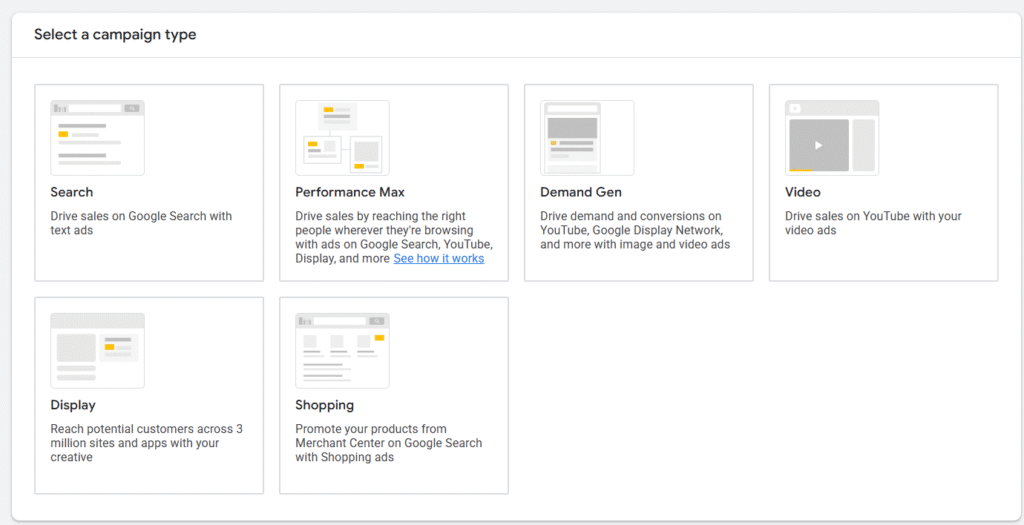
Running video ads can feel confusing at first, especially with many settings and options. That is where Google Ads Help becomes useful. It is designed to guide advertisers step by step and reduce mistakes. To Create a Video Campaign Google Ads Help successfully, understanding this support system is very important.
What “Google Ads Help” means for advertisers
Google Ads Help is an official support system provided by Google. It includes guides, tutorials, policy explanations, and automated tips inside the Google Ads dashboard.
It helps advertisers understand how video campaigns work, how bidding is done, and how ads are shown on YouTube. According to Google, advertisers who follow platform recommendations see up to 20% better campaign performance compared to those who ignore them.
Types of support available in Google Ads Help
Google Ads Help offers multiple types of support:
- Help articles and step-by-step guides
- In-account recommendations and alerts
- Automated suggestions powered by Google AI
- Community forums and expert answers
- Direct support via chat, email, or call
For example, if a video ad is not getting views, Google Ads Help may suggest improving targeting or increasing bids to stay competitive.
Common problems advertisers face with video ads
Many advertisers face similar issues with video campaigns, such as:
- Low views or impressions
- High cost per view (CPV)
- Poor audience targeting
- Low conversions after views
- Ad disapproval or limited eligibility
Studies show that over 60% of new advertisers make setup mistakes that affect performance. These issues usually happen due to wrong bidding, poor targeting, or missing tracking.
How Google Ads Help simplifies video campaign setup
Google Ads Help simplifies video campaigns by offering guided setup, smart defaults, and clear explanations. The system recommends the best campaign type, bidding strategy, and audience options based on goals.
For example, when selecting conversions as a goal, Google automatically suggests Video Action Campaigns. This guidance makes it easier to Create a Video Campaign Google Ads Help even for beginners.
When to rely on Google Ads Help vs experts
Google Ads Help is ideal for beginners, small businesses, and basic campaigns. It works well for standard setups, learning the platform, and fixing common errors.
However, experts are helpful for advanced strategies, large budgets, scaling, and deep optimization. Many businesses start with Google Ads Help and later work with experts once campaigns grow and competition increases.
Using both wisely ensures better performance and long-term success with video advertising.
Also Read: What are Different Types of Google Ads Campaign Objectives
Types of Video Campaigns in Google Ads
Video advertising has become one of the most powerful ways to reach, engage, and convert audiences online. Before you Create a Video Campaign Google Ads Help, it’s important to understand the different types of video campaigns available in Google Ads and how each one serves a specific marketing goal.
From brand awareness to lead generation and sales, Google Ads offers multiple video campaign formats designed to match every stage of the customer journey. Choosing the right campaign type ensures better targeting, improved performance, and higher return on ad spend.
In-Stream Video Ads
In-stream video ads are the most common and widely used video ad format on YouTube. These ads appear before, during, or after a YouTube video. When businesses want to Create a Video Campaign Google Ads Help, in-stream ads are usually the first and safest option because they offer reach, control, and clear performance data.
Skippable vs Non-Skippable In-Stream Ads
| Feature | Skippable In-Stream Ads | Non-Skippable In-Stream Ads |
|---|---|---|
| Skip Option | Users can skip after 5 seconds | Cannot be skipped |
| Ad Length | Up to 3 minutes | 6–15 seconds only |
| Billing Method | CPV (Cost Per View) | CPM (Cost Per 1,000 Impressions) |
| When You Pay | When users watch 30 seconds, full ad (if shorter), or click | When ad is shown (per 1,000 impressions) |
| User Control | High (viewer chooses to watch) | None (forced viewing) |
| Best For | Engagement, traffic, leads, conversions | Brand awareness & recall |
| Viewer Experience | Less intrusive | More intrusive |
| Average Cost | Lower cost, performance-based | Higher cost, visibility-based |
| Creative Requirement | Strong hook in first 5 seconds | Short, impactful message |
| Audience Quality | High-intent viewers | Broad audience |
| Ad Placement | Before, during, or after videos | Before or during videos |
| Recommended for Beginners | ✅ Yes | ⚠️ Only for branding |
There are two main types of in-stream ads:
Skippable in-stream ads
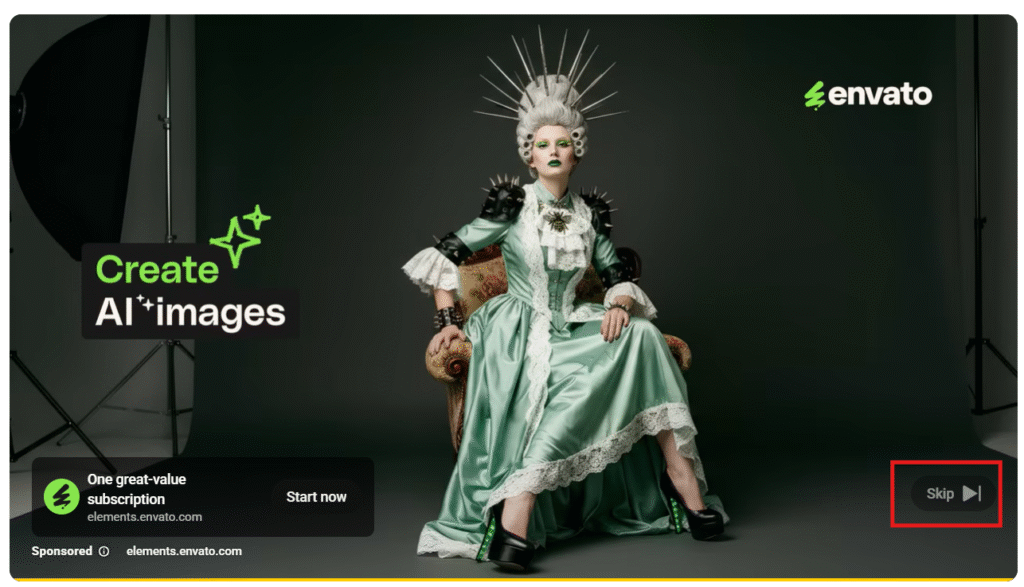
These ads allow viewers to skip after 5 seconds. Advertisers only pay when a user watches 30 seconds, the full video (if shorter), or clicks the ad. Google data shows that skippable ads get higher engagement because users choose to watch them.
Non-skippable in-stream ads
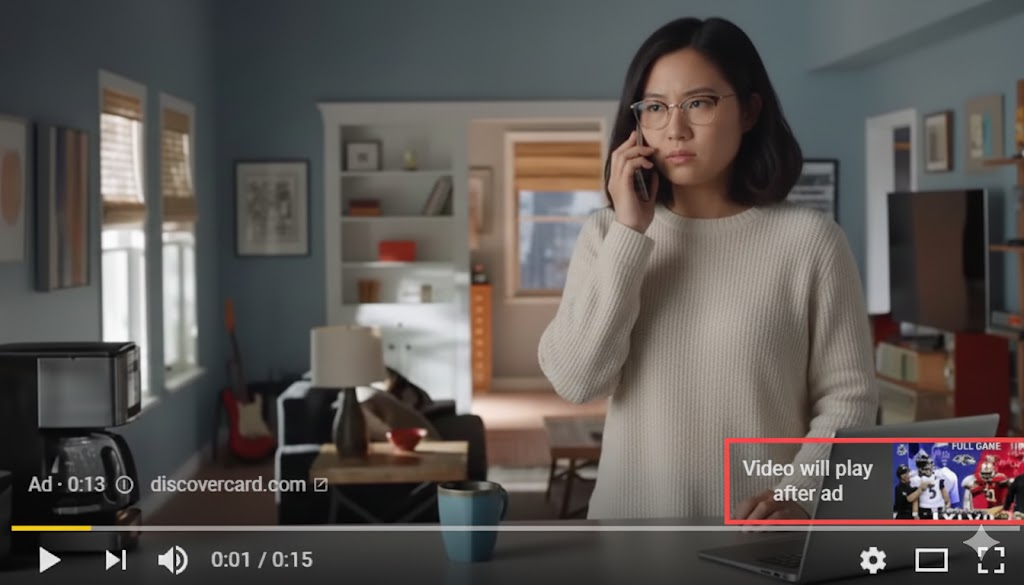
These ads are usually 15 seconds or less and cannot be skipped. They guarantee full views, making them useful for brand awareness. However, they can be more expensive and may annoy users if not done well.
Example:
A brand awareness campaign for a new app may use non-skippable ads, while a lead generation campaign works better with skippable ads.
Best Use Cases for In-Stream Video Ads
In-stream ads are best for:
- Brand awareness and reach
- Product launches
- Lead generation campaigns
- E-commerce promotions
- Local business visibility
For example, an online course provider used skippable in-stream ads and saw a 40% increase in website traffic within one month. This shows why many businesses prefer this format when they Create a Video Campaign Google Ads Help.
Billing Method: CPV vs CPM
| Feature | CPV (Cost Per View) | CPM (Cost Per 1,000 Impressions) |
|---|---|---|
| Full Form | Cost Per View | Cost Per Mille (1,000 Impressions) |
| Billing Basis | You pay when someone views your video | You pay for every 1,000 ad impressions |
| When Are You Charged? | When a user watches 30 seconds (or full video if shorter) or interacts | When your ad is shown 1,000 times |
| Best For | Video engagement & awareness | Brand visibility & reach |
| Ad Formats | Skippable in-stream, in-feed video | Non-skippable in-stream, bumper ads |
| User Action Required | Yes (view or interaction) | No action required |
| Cost Control | High (pay only for interested users) | Lower control (pay even without engagement) |
| Average Cost Range | ₹0.30 – ₹3 per view | ₹50 – ₹500 per 1,000 impressions |
| Ideal Campaign Goal | Views, traffic, |
In-stream ads use two main billing methods:
CPV (Cost Per View)
You pay only when someone watches at least 30 seconds or interacts with your ad. This is cost-effective and performance-focused.
CPM (Cost Per 1,000 Impressions)
You pay for every 1,000 impressions, regardless of interaction. This method is better for mass awareness campaigns.
According to industry benchmarks, average CPV ranges between $0.01–$0.05, making in-stream ads one of the most affordable video formats when set up correctly using Google Ads Help.
In-stream video ads offer flexibility, strong reach, and measurable results, making them a key part of any successful video strategy.
Video Action Campaigns
Video Action Campaigns are built for one clear goal: conversions. Instead of only views or awareness, this campaign type focuses on actions like form fills, calls, app installs, or sales. Businesses that want to Create a Video Campaign Google Ads Help for real results often choose Video Action Campaigns.
Driving conversions with video
Video Action Campaigns use strong call-to-action buttons such as Sign Up, Buy Now, or Get Quote. These ads appear across YouTube and are optimized to reach users who are more likely to take action. Google reports that advertisers using Video Action Campaigns see up to 20% more conversions at a similar cost compared to standard video campaigns.
For example, an e-commerce brand promoting a limited-time offer used Video Action Campaigns and achieved a 35% increase in online sales within three weeks. This shows how video can directly drive business outcomes, not just views.
YouTube Shorts and In-Feed integration
One of the biggest advantages of Video Action Campaigns is automatic placement across:
- YouTube in-stream videos
- YouTube Shorts
- YouTube in-feed (home and search)
YouTube Shorts now receive over 70 billion daily views, making them a powerful space for quick, mobile-first ads. In-feed video ads appear when users are actively browsing content, which increases intent. This wide reach helps advertisers Create a Video Campaign Google Ads Help that works across different user behaviors without extra setup.
Smart bidding overview
Video Action Campaigns use Google’s smart bidding, mainly Maximize Conversions or Target CPA. Google’s AI analyzes signals like user behavior, device, location, time, and past actions in real time. According to Google, smart bidding uses millions of data points per auction to find users most likely to convert.
For example, if users on mobile convert more in the evening, smart bidding automatically adjusts bids to capture those users. This automation reduces manual work and improves performance over time.
Video Action Campaigns combine reach, automation, and performance, making them ideal for businesses focused on measurable growth through video advertising.
In-Feed Video Ads
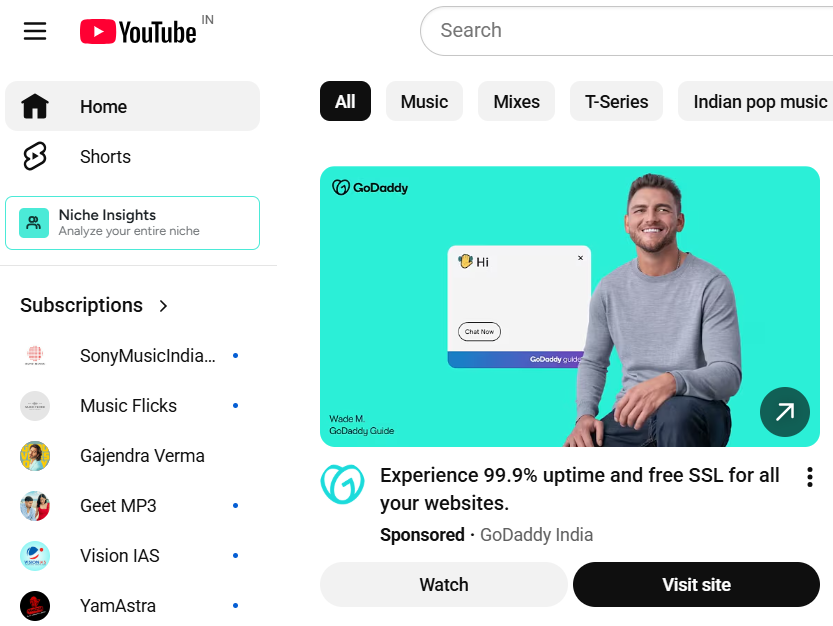
In-feed video ads are designed to attract users who are already exploring content on YouTube. These ads blend naturally into the platform and feel less interruptive. For brands looking to Create a Video Campaign Google Ads Help with higher engagement, in-feed video ads are a strong option.
Placement locations
In-feed video ads appear in high-intent areas on YouTube, such as:
- YouTube Home feed
- YouTube search results
- “Watch Next” recommendations
These placements show the video as a clickable thumbnail with text, just like regular YouTube videos. Users choose to watch the ad, which means interest is already present. According to Google, ads shown in in-feed placements often get higher watch time because users click by choice.
Ideal content formats
In-feed ads work best with content that feels natural and useful. Ideal formats include:
- Product demos and reviews
- How-to or tutorial videos
- Customer testimonials
- Short explainers or brand stories
Videos between 15–45 seconds perform best for in-feed ads. For example, a software company using a short demo video in YouTube search results saw a 28% increase in qualified leads. This format is effective when the goal is education before conversion.
Engagement-focused strategy
The main goal of in-feed video ads is engagement. Since users choose to click, the first impression matters. Strong thumbnails, clear titles, and value-focused messaging improve performance. Google data shows that videos with clear messaging in the first 5 seconds get significantly higher view rates.
In-feed video ads are ideal for building interest and trust. When combined with other formats, they help businesses Create a Video Campaign Google Ads Help that captures attention and moves users closer to action.
Bumper Ads
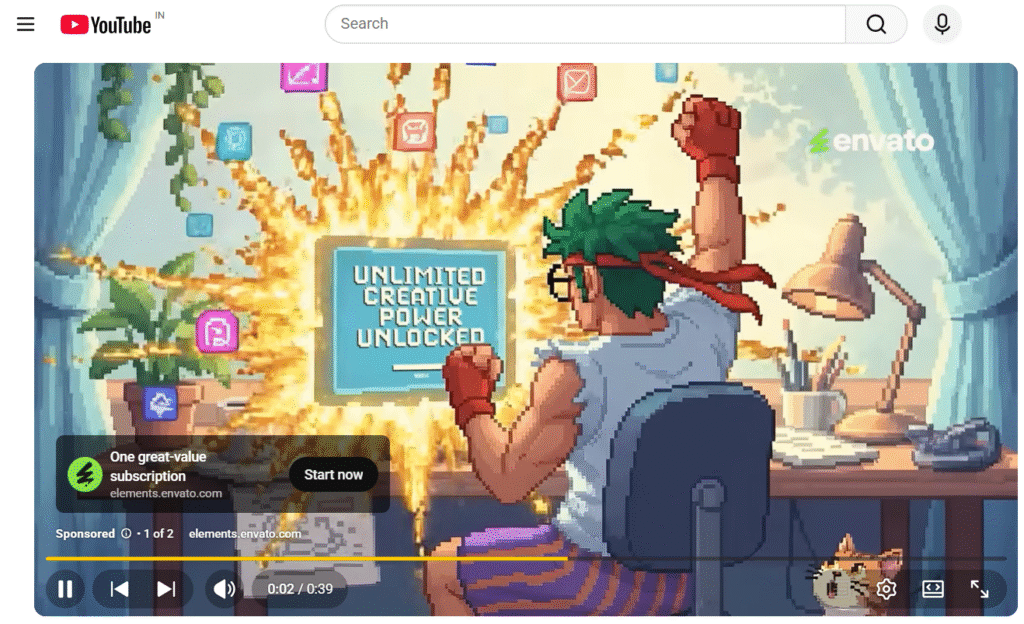
Bumper Ads are short, sharp, and built only for one thing—brand recall. These ads are perfect for quick visibility and work well when attention spans are short. Many brands use this format when they want to Create a Video Campaign Google Ads Help focused on reach and memory, not clicks.
6-second ad format
Bumper Ads are non-skippable video ads of exactly 6 seconds. They appear before, during, or after YouTube videos. Because they are short, viewers watch the full message every time. Google reports that 6-second ads perform well on mobile, where short content gets more attention.
Example:
A food delivery brand used a 6-second bumper ad showing only the logo, offer, and tagline. The ad reached millions of users within days without annoying viewers.
Brand recall strategy
Bumper Ads are not meant to sell directly. They are designed to make people remember the brand. According to Google Brand Lift studies, bumper ads can increase ad recall by up to 38% when used correctly. They work best when:
- The brand logo appears early
- One clear message is shown
- Visuals are simple and bold
Many brands use bumper ads along with longer video ads to reinforce the message. This strategy is very effective for new launches or festive campaigns.
CPM bidding explained
Bumper Ads use CPM (Cost Per 1,000 Impressions) bidding. This means advertisers pay for every 1,000 times the ad is shown, not for clicks or views. CPM for bumper ads is usually lower than longer video ads because of the short length.
For example, if the CPM is low and the ad reaches 100,000 users, the brand gains massive visibility at a controlled cost. This makes bumper ads a smart choice when businesses Create a Video Campaign Google Ads Help for large-scale awareness.
Bumper Ads are simple, affordable, and powerful for brand visibility when used with the right message and timing.
Outstream Video Ads
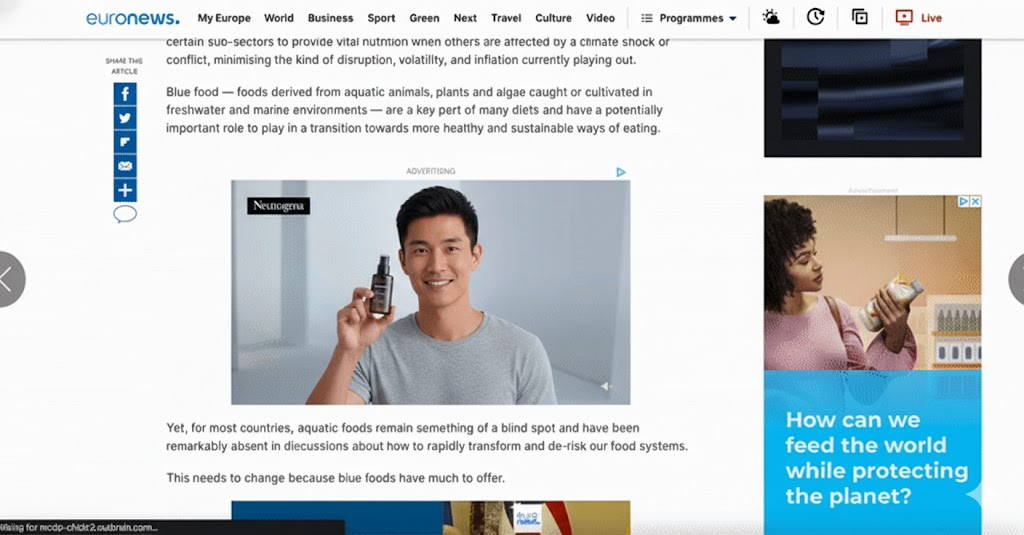
Outstream Video Ads are designed mainly for mobile users and appear outside YouTube. These ads are useful for brands that want wide reach beyond YouTube while keeping costs under control. When businesses Create a Video Campaign Google Ads Help for mobile visibility, Outstream ads play an important role.
Mobile-only placements
Outstream Video Ads appear only on mobile devices, including smartphones and tablets. They show on websites and apps, usually within articles or between content. These ads start playing without sound and rely on visuals and captions. Studies show that over 80% of users watch mobile videos on mute, which makes strong visuals and text very important.
Example:
A travel brand used caption-based Outstream ads and saw a 25% increase in brand awareness among mobile users within a short campaign period.
Publisher network reach
Outstream ads run across Google’s Display Network, reaching thousands of premium publisher websites and mobile apps. This allows brands to reach users while they are reading news, blogs, or using apps. Google states that Outstream ads can deliver up to 20% more incremental reach beyond YouTube alone, helping brands connect with new audiences.
When to use Outstream campaigns
Outstream Video Ads are best used when:
- The main goal is brand awareness
- Mobile users are the target audience
- Budget needs to stay controlled
- You want reach outside YouTube
These ads are not ideal for direct sales or leads but work well at the top of the funnel. When combined with other video formats, Outstream ads help businesses Create a Video Campaign Google Ads Help that covers more platforms and touchpoints.
Outstream Video Ads are a smart choice for mobile-first awareness and expanding reach beyond traditional video platforms.
Also Read: Google Ads Asset Studio Now Available
Prerequisites Before Creating a Video Campaign
Before launching any video campaign, a strong foundation is required. Many campaigns fail not because of poor ads, but due to missing basic setup. Following these prerequisites helps businesses Create a Video Campaign Google Ads Help smoothly and avoid common errors.
Google Ads account setup
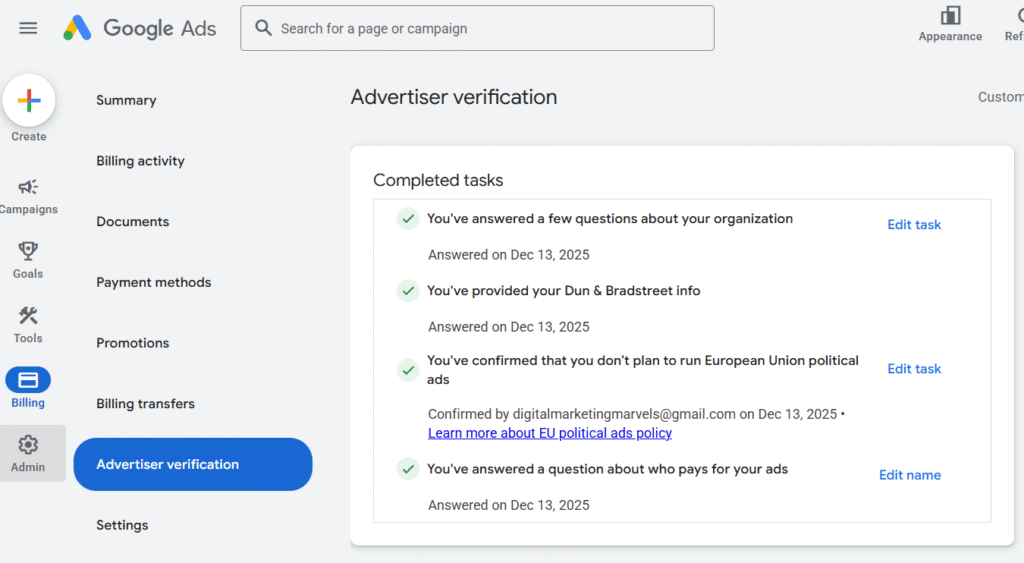
The first step is having an active Google Ads account with verified billing details. The account should be properly structured with correct business information, location, and payment method. Google data shows that accounts with complete profiles face fewer approval and billing issues, which helps campaigns start faster without delays.
YouTube channel and video requirements
A YouTube channel is mandatory to run video ads. The channel must be active and in good standing, with no policy violations. Videos used for ads should be public or unlisted. According to YouTube guidelines, ads from trusted and active channels get better delivery and fewer restrictions, improving overall reach.
Video specs (length, resolution, aspect ratio)
Videos must meet Google’s technical requirements:
- Length: 6 seconds (bumper) to 3 minutes (recommended)
- Resolution: Minimum 720p for clear quality
- Aspect ratios: 16:9 (landscape), 1:1 (square), 9:16 (vertical)
Vertical videos perform especially well on mobile and Shorts. Research shows that vertical video ads can increase engagement by over 90% on mobile devices when compared to horizontal videos.
Linking YouTube channel with Google Ads
Linking the YouTube channel to the Google Ads account allows better tracking, remarketing, and performance insights. This step also enables access to advanced features like video view remarketing. Advertisers who link accounts see more accurate reporting and better audience targeting, which is essential when aiming to Create a Video Campaign Google Ads Help that performs well.
Conversion tracking setup
Conversion tracking helps measure real results like leads, sales, or sign-ups. It can be set up using Google Tag, Google Analytics, or Google Tag Manager. According to Google, advertisers using conversion tracking are more likely to improve ROI by over 30%, as optimization is based on real data instead of guesswork.
Understanding Google Ads Help documentation
Google Ads Help documentation explains policies, best practices, and troubleshooting steps. Reading these guides helps avoid ad disapproval, limited reach, and wasted budget. Many beginners skip this step, but understanding Google Ads Help resources ensures smoother campaign launches and long-term success.
Completing these prerequisites prepares the campaign for better performance, fewer errors, and consistent growth through video advertising.
Also Read: 50+ Google Ad Formulae Everyone Should Know
Step-by-Step: Create a Video Campaign Using Google Ads Help
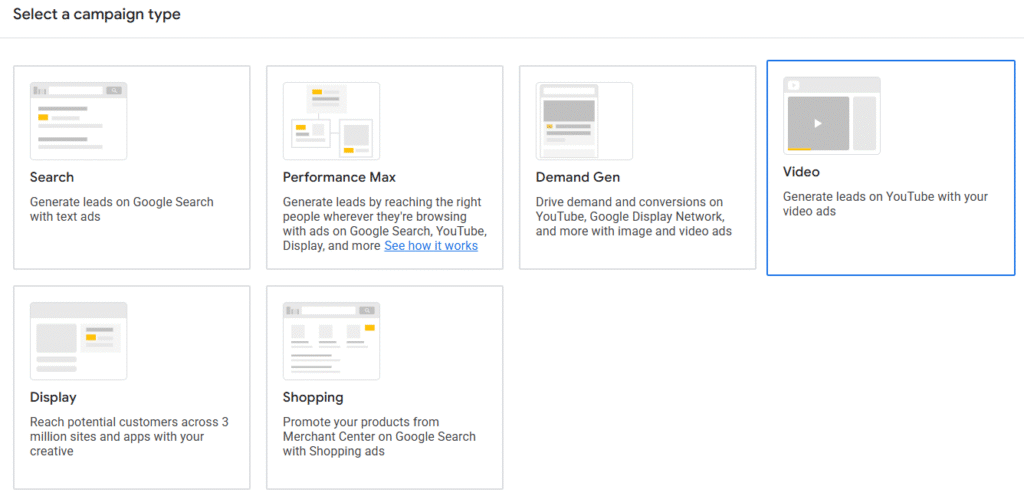
Starting a video campaign can feel overwhelming at first, especially with so many options inside Google Ads. But when broken into simple steps, the process becomes clear and manageable.
This section is designed to guide you in a practical and easy way, using Google’s own recommendations and best practices. By following these steps carefully, it becomes much easier to Create a Video Campaign Google Ads Help that is well-structured, goal-focused, and ready to deliver real results without confusion or wasted budget.
Choosing Campaign Goal
Choosing the right campaign goal is the most important step when starting a video campaign. Google Ads uses this goal to decide where ads appear, who sees them, and how budgets are spent. To Create a Video Campaign Google Ads Help correctly, the goal must always match the real business objective.
Brand awareness
The brand awareness goal is used when the focus is on visibility and reach. Ads are shown to as many relevant users as possible. This goal is ideal for new brands, product launches, or seasonal promotions. Google reports that video campaigns focused on awareness can increase brand recall by up to 38%, especially when short and clear messaging is used.
Example:
A new clothing brand launched awareness-focused video ads and reached over 500,000 users within two weeks, building strong initial visibility.
Consideration
The consideration goal is selected when the aim is to increase interest and engagement. These campaigns focus on video views, watch time, and interaction. This is useful when educating users about a product or service before asking for action. Data shows that users who watch a video ad are up to 2x more likely to visit a website later.
Consideration campaigns are ideal for services, courses, or high-value products that need explanation.
Leads
The leads goal is chosen when the main objective is to collect inquiries, form fills, calls, or sign-ups. Video Action Campaigns are usually recommended for this goal. Google data shows that advertisers using video for lead generation see 20–30% lower cost per lead compared to traditional display ads.
Example:
A coaching business used video lead ads with a clear call-to-action and increased monthly inquiries by 35%.
Sales
The sales goal is used for direct purchases and conversions. These campaigns target users with higher buying intent and use smart bidding to maximize results. According to Google, video campaigns optimized for sales can drive up to 14% higher conversion rates when combined with remarketing.
Choosing the right goal ensures better targeting, smarter bidding, and stronger results. This step lays the foundation for successfully running a video campaign with Google Ads Help.
Selecting Campaign Type (Video)
After choosing the campaign goal, the next step is selecting the right Video campaign type. This decision directly affects reach, cost, and results. Many advertisers struggle here, but Google Ads Help makes this step easier with clear suggestions. To Create a Video Campaign Google Ads Help effectively, understanding the difference between Video Action and Awareness campaigns is essential.
When to choose Video Action vs Awareness
Video Action Campaigns should be selected when the main goal is leads, sales, or conversions. These campaigns focus on actions like form submissions, calls, app installs, or purchases. They use strong call-to-action buttons and smart bidding. Google reports that Video Action Campaigns deliver up to 20% more conversions compared to older video formats at similar costs.
Awareness Video Campaigns are best when the goal is reach and brand recall. These campaigns focus on impressions and views rather than direct actions. Formats like in-stream and bumper ads work well here. Awareness campaigns are ideal for new brands, launches, or promotions where visibility matters more than immediate sales.
Simple rule:
- Choose Video Action for performance and results
- Choose Awareness for visibility and brand growth
Google Ads Help recommendations
Google Ads Help provides automatic recommendations based on the selected goal. For example:
- If Leads or Sales is chosen, Google suggests Video Action Campaigns
- If Brand Awareness is selected, Google recommends in-stream or bumper ads
- Budget and bidding strategies are suggested based on industry data
Google’s recommendation system uses real-time data and machine learning, analyzing millions of signals to improve delivery. Advertisers who follow Google Ads Help suggestions often see better stability and faster optimization during the learning phase.
Selecting the right campaign type ensures smoother setup, fewer mistakes, and stronger performance throughout the campaign lifecycle.
Setting Budget & Bidding
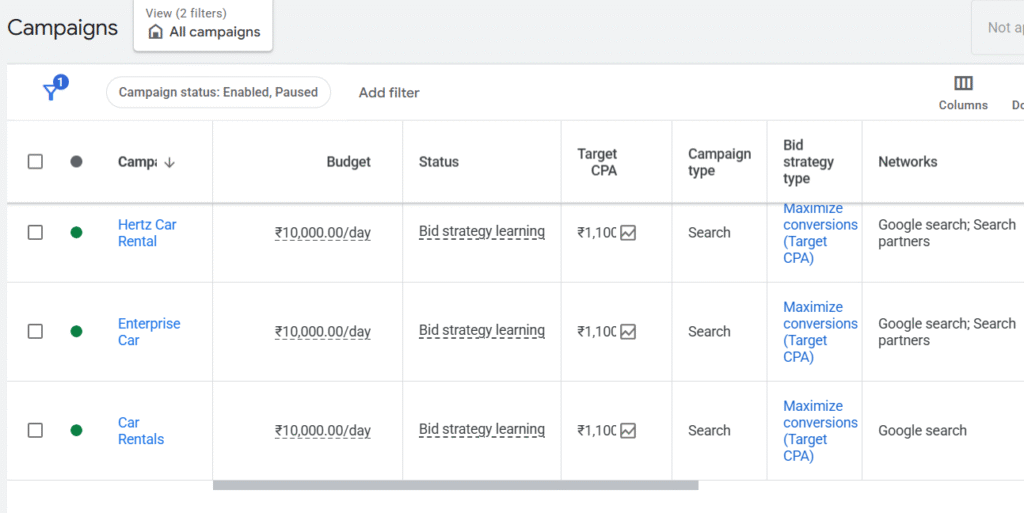
Budget and bidding decide how far a video campaign can go and how efficiently money is spent. Many advertisers overspend or get low results because this step is not set correctly. When planning to Create a Video Campaign Google Ads Help, setting the right budget and bid strategy is critical for steady performance.
Daily vs total campaign budget
A daily budget allows Google to spend an average amount each day. Some days may cost more, but monthly spend stays within limits. This option is best for ongoing campaigns and testing.
A total campaign budget is fixed for the entire campaign duration. Google spreads the spend evenly over time. This works well for short-term promotions, festivals, or product launches.
Example:
A festive sale campaign using a total budget finished on time without overspending, while an evergreen brand campaign used a daily budget for steady reach.
CPV, CPM, and Maximize Conversions
Different bidding options serve different goals:
- CPV (Cost Per View): You pay when someone watches 30 seconds or interacts. Best for views and engagement. Average CPV often ranges between $0.01–$0.05.
- CPM (Cost Per 1,000 Impressions): You pay for visibility. Ideal for brand awareness and bumper ads.
- Maximize Conversions: Google’s AI focuses on getting the most actions within the budget. Best for leads and sales.
According to Google, campaigns using smart bidding like Maximize Conversions can see up to 30% better results after the learning phase.
Bid strategy tips from Google Ads Help
Google Ads Help recommends:
- Starting with a realistic budget to allow learning
- Avoiding frequent bid changes in the first 7–14 days
- Using Maximize Conversions when tracking is set correctly
- Increasing budget slowly (10–20%) to avoid performance drops
Google’s system uses millions of real-time signals such as device, time, and user behavior to optimize bids automatically. Following these tips helps advertisers Create a Video Campaign Google Ads Help that runs smoothly, controls costs, and improves results over time.
Defining Target Audience
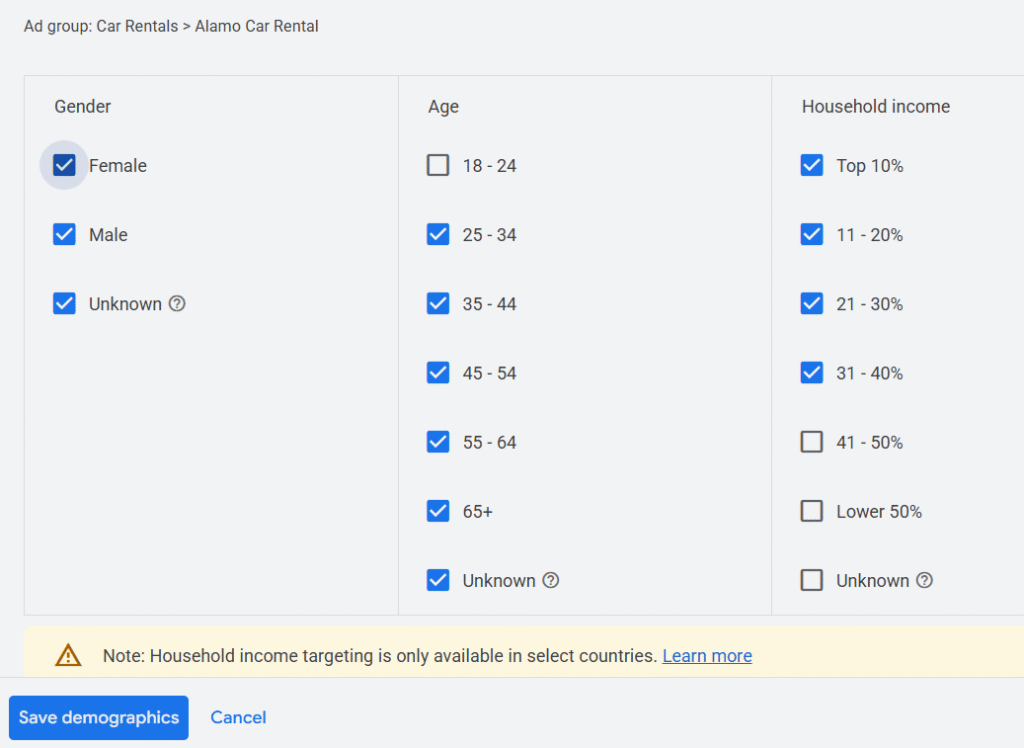
Targeting the right audience is what makes a video campaign successful. Even the best video will fail if it reaches the wrong people. Google Ads Help offers powerful audience options to ensure ads reach users who matter most. This step is key to Create a Video Campaign Google Ads Help that delivers real results.
Demographics
Demographic targeting allows advertisers to choose age, gender, parental status, and household income (in some regions). This helps narrow down the audience based on basic user data. For example, a luxury product brand may focus on higher income groups, while a kids’ learning app targets parents. Google reports that using demographics can improve relevance and reduce wasted spend significantly.
Affinity audiences
Affinity audiences include users based on long-term interests and lifestyle habits, such as fitness lovers, travelers, or tech enthusiasts. These audiences are useful for brand awareness and reach campaigns. For example, a sports brand targeting “fitness enthusiasts” saw higher view rates compared to broad targeting, showing the power of interest-based reach.
In-market audiences
In-market audiences include users who are actively searching or comparing products and services. These users show strong buying intent. Google data shows that in-market audiences are more likely to convert because they are closer to making a decision. For example, someone searching for “online courses” can be targeted with a video ad offering a free demo.
Custom intent audiences
Custom intent audiences allow advertisers to define audiences based on specific keywords, search behavior, URLs, or apps. This gives more control and precision. For example, a real estate business can target users who searched for “buy apartment near me.” This option is very effective for performance-driven campaigns when businesses Create a Video Campaign Google Ads Help focused on leads or sales.
Remarketing audiences
Remarketing targets users who already interacted with a website, app, or YouTube channel. These audiences are highly valuable because they already know the brand. Google reports that remarketing can improve conversion rates by up to 50% compared to cold audiences. For example, showing a follow-up video to users who watched 50% of a previous ad often leads to better results.
Defining the right audience improves efficiency, lowers cost, and increases conversions in video campaigns.
Placement & Device Targeting
Placement and device targeting decide where and how video ads are shown. This step helps control cost, improve relevance, and reach users on the right screens. Google Ads Help provides flexible options to manage placements easily. This is an important step to Create a Video Campaign Google Ads Help that performs consistently.
YouTube placements
Video ads can be shown across different YouTube placements such as:
- In-stream videos
- YouTube Shorts
- YouTube Home feed
- YouTube search results
Advertisers can allow automatic placements or manually select specific channels and videos. Google data shows that automated placements usually deliver better reach and performance, especially for new campaigns, because Google’s system finds the best-performing spots.
Mobile, desktop, and TV screens
Google Ads allows ads to appear on multiple devices:
- Mobile: Best for quick engagement and high reach
- Desktop: Useful for detailed content and research-based users
- TV screens: Ideal for brand awareness and premium viewing
YouTube reports that TV screen watch time is growing rapidly, with millions of users watching YouTube on smart TVs daily. Allowing all devices gives better coverage, while device exclusions can be used if needed for budget control.
Language and location targeting
Language targeting ensures ads are shown to users who understand the message. Location targeting allows ads to run in specific countries, states, cities, or even a radius around a location. For example, a local service business can target users within a 10 km radius.
Google data shows that location-based targeting can improve conversion rates by up to 20% for local campaigns. Correct language and location settings reduce waste and improve results when businesses Create a Video Campaign Google Ads Help with clear goals.
Proper placement and device targeting help deliver video ads to the right audience, at the right time, on the right screen.
Also Read: 100+ Google Ads Glossary: Terms & Definition You Should Know
Creating High-Converting Video Ads
A video campaign succeeds only when the ad itself is strong. Many advertisers focus on targeting and budget but ignore creative quality. Google Ads Help clearly shows that better creatives lead to better results. This section explains how to create ads that convert and help you Create a Video Campaign Google Ads Help that actually performs.
Writing effective video headlines
Video headlines should be short, clear, and benefit-focused. The headline appears with the video and helps users understand the message quickly. Google recommends keeping headlines simple and action-oriented.
Example:
- “Get More Leads with Google Ads”
- “Grow Your Business with Video Ads”
Ads with clear headlines can see higher click-through rates compared to vague messaging.
CTA overlays best practices
CTA overlays guide users on what to do next. Strong CTAs like Learn More, Sign Up, or Get Quote work best. Google data shows that ads with clear CTAs can drive up to 30% more actions.
Best practices include:
- Use one clear CTA
- Match CTA with campaign goal
- Keep text simple and visible
Companion banner usage
Companion banners appear beside video ads on desktop devices. They provide extra space to show offers, logos, or contact details. Even when users skip the video, the banner stays visible. Studies show that companion banners can improve brand recall and clicks, especially for awareness campaigns.
Video storytelling framework
High-converting videos follow a simple structure:
- Hook attention in first 5 seconds
- Show the problem clearly
- Present the solution
- End with a clear action
For example, a service ad showing a problem in daily life and then offering a simple solution keeps users engaged longer.
Branding within first 5 seconds
Google Ads Help strongly recommends showing the brand name or logo in the first 5 seconds. Viewers often skip ads quickly, so early branding improves recall. Google studies show that early branding can increase brand awareness by over 20%.
Common mistakes flagged by Google Ads Help
Google Ads Help often flags these mistakes:
- No clear CTA
- Long or confusing messages
- Weak opening seconds
- Poor video quality
- Missing branding
Avoiding these errors improves approval, reach, and performance. Strong creatives help businesses Create a Video Campaign Google Ads Help that connects with users and drives real results.
Also Read: Complete Guide to Google Ads Assets
Keyword & Content Strategy for Video Campaigns
Even though video ads are visual, keywords and content strategy still play a big role in performance. The right message shown to the right intent improves engagement and conversions. Google Ads Help provides useful tools to guide this process. This section explains how to plan content smartly and Create a Video Campaign Google Ads Help that stays relevant.
Role of keywords in video ads
Unlike search ads, video ads do not rely only on keywords to trigger ads. However, keywords help define audience intent. Google uses keyword signals to understand user behavior, interests, and buying stage. For example, users searching for “best online course” are more likely to respond to an educational video ad than a general audience. Using keyword signals improves relevance and lowers wasted impressions.
Content themes that convert
Video content should match what users care about. High-performing themes include:
- Problem and solution videos
- How-to or explainer content
- Product demos
- Customer success stories
According to marketing studies, videos that clearly explain value can improve conversion rates by up to 34%. Simple language and clear benefits always perform better than complex messaging.
Aligning video content with search intent
Search intent shows why users are searching. Video content should match this intent:
- Informational intent → educational or guide-style videos
- Commercial intent → comparison or demo videos
- Transactional intent → offer-based or action-driven videos
For example, users searching “Google Ads for beginners” respond better to step-by-step video guides. This alignment helps businesses Create a Video Campaign Google Ads Help that feels useful instead of promotional.
Using Google Ads Help keyword planner insights
Google Ads Help Keyword Planner provides data on search volume, trends, and competition. These insights help decide which topics users are actively searching for. Advertisers using keyword planner data create more relevant video scripts and headlines. Google reports that campaigns aligned with search trends often see better engagement and lower costs.
Negative keywords and exclusions for video
Negative keywords and exclusions help avoid irrelevant traffic. They prevent ads from showing to users with low intent or wrong interests. Common exclusions include unrelated topics, poor-performing placements, or irrelevant search terms. Using exclusions can reduce wasted spend and improve overall performance by 20–30% in many campaigns.
A strong keyword and content strategy ensures video ads stay focused, relevant, and effective throughout the campaign lifecycle.
Also Read: What Is Google Performance Max & How It Works Explained
Tracking & Measuring Video Campaign Performance
Running a video campaign without tracking is like driving without a map. Performance data shows what is working and what needs improvement. Google Ads Help makes tracking easier by clearly explaining metrics and reporting tools. This step is critical to Create a Video Campaign Google Ads Help that improves over time.
Key metrics explained
Views
A view is counted when a user watches at least 30 seconds of a video ad (or the full ad if shorter) or interacts with it. Views show how many users actually chose to watch the ad. Higher views usually mean the content is engaging.
View rate
View rate is the percentage of people who watched the ad after seeing it. It is calculated as views divided by impressions. A healthy view rate for most industries ranges between 15%–40%. A low view rate often means the opening seconds are not strong enough.
CPV (Cost Per View)
CPV shows how much is paid for each view. Average CPV usually falls between $0.01 and $0.05, depending on competition and targeting. A high CPV may indicate narrow targeting or weak creative.
CTR (Click-Through Rate)
CTR measures how many users clicked the ad after viewing it. While video CTR is usually lower than search ads, a CTR between 0.5%–2% is considered good for video campaigns. Strong CTAs help improve this metric.
Conversions
Conversions track real actions such as leads, sales, sign-ups, or calls. This is the most important metric for performance campaigns. Google data shows that video ads optimized for conversions often deliver higher assisted conversions, even if users don’t convert immediately.
YouTube Analytics vs Google Ads reports
YouTube Analytics focuses on content performance like watch time, audience retention, and engagement. Google Ads reports focus on ad performance such as views, CPV, CTR, and conversions. Using both together gives a complete picture. For example, a video with high watch time in YouTube Analytics often performs better as an ad.
Conversion attribution models
Attribution models explain how credit is given to different touchpoints. Google Ads offers models like last-click, data-driven, and linear. Google recommends data-driven attribution because it uses real conversion paths. Advertisers using data-driven models often see more accurate performance insights.
Google Ads Help troubleshooting tracking issues
Google Ads Help helps identify common tracking problems such as:
- Missing conversion tags
- Incorrect event setup
- Delayed conversion data
- Attribution mismatch
Google reports that fixing tracking issues can improve optimization results by over 30%. Proper tracking ensures campaigns are optimized using real data and helps businesses Create a Video Campaign Google Ads Help that delivers consistent growth.
Also Read: 6 Smart Ways to Reduce Google Ads CPC & Maximize Budget
Optimizing Video Campaigns Using Google Ads Help
Optimization is what turns average video campaigns into high-performing ones. After ads start running, data shows what works and what doesn’t. Google Ads Help gives clear signals to improve results step by step. This process helps brands Create a Video Campaign Google Ads Help that stays cost-effective and competitive.
A/B testing video creatives
A/B testing means running two or more video ads with small changes. This could be a different opening scene, message order, or CTA. Google recommends testing at least 2 creatives at the same time. Brands that test creatives regularly see up to 25% better engagement and conversions.
Example:
A video starting with a problem statement often performs better than one starting with a logo.
Audience performance optimization
Not every audience performs the same. Google Ads reports clearly show which audiences bring views, clicks, or conversions. Low-performing audiences should be paused, and strong audiences should get more budget. Optimizing audiences can reduce cost per conversion by 20–30% in many campaigns.
Bid adjustments
Bid adjustments help control spend based on performance. Bids can be increased for high-converting devices, locations, or times. Google Ads Help advises making small changes only and waiting for enough data before adjusting again, usually 7–14 days.
Budget reallocation strategy
Budgets should move toward campaigns and ad groups that perform best. Google recommends increasing budgets slowly, around 10–20% at a time, to avoid disturbing the learning phase. This keeps performance stable while scaling.
Frequency capping
Frequency capping limits how often the same user sees an ad. Showing ads too many times can cause fatigue and waste money. Google suggests using frequency caps especially for awareness campaigns to protect user experience.
Placement exclusions
Placement exclusions remove websites, apps, or channels that bring impressions but no results. Google Ads Help highlights poor placements so they can be excluded. This improves efficiency and brand safety.
Scaling winning video ads
When a video ad performs well, it should be scaled carefully. This can be done by expanding audiences, increasing budget, or using the same creative in Shorts, in-stream, or in-feed formats. Google data shows that scaling proven ads leads to faster and more stable growth.
Regular optimization ensures video campaigns continue to improve and deliver long-term results.
Also Read: What is a Good Cost Per Click (CPC)
Common Issues & Fixes (Google Ads Help Solutions)
Even well-planned video campaigns can face problems. The good part is that most issues are common and easy to fix with the right guidance. Google Ads Help clearly highlights errors and provides solutions so advertisers can Create a Video Campaign Google Ads Help without wasting budget.
Low views or impressions
Low views usually happen due to low bids, narrow targeting, or limited reach. Google Ads Help often suggests increasing bids, expanding audiences, or allowing automatic placements. Google data shows that campaigns with broader targeting often get 30–40% more impressions during the learning phase.
Fix:
- Increase bid slightly
- Expand audience size
- Use automatic placements
High CPV
High CPV means the cost per view is more than expected. This often happens due to high competition, poor targeting, or weak video openings. Google Ads Help recommends improving the first 5 seconds and testing different audiences.
Fix:
- Improve video hook
- Test new audiences
- Use CPV benchmarks
Low conversions
Low conversions usually indicate a mismatch between the ad message and landing page or weak CTA. Google reports that users who see consistent messaging across ad and landing page are up to 2x more likely to convert.
Fix:
- Align video message with landing page
- Use a clear CTA
- Switch to Video Action Campaigns
Ad disapproval reasons
Ads can be disapproved due to policy issues like misleading claims, copyrighted content, or restricted topics. Google Ads Help clearly explains disapproval reasons inside the dashboard.
Fix:
- Review policy guidelines
- Edit content and resubmit
- Use original and clear messaging
Limited eligibility problems
Limited eligibility reduces ad reach and performance. This often happens due to missing assets, policy warnings, or low-quality content. Google Ads Help shows alerts explaining what is missing.
Fix:
- Add required assets
- Improve video quality
- Fix policy warnings
Account or billing errors
Billing issues can stop campaigns completely. These include payment failures, spending limits, or verification issues. Google states that accounts with updated billing details face fewer interruptions.
Fix:
- Update payment method
- Check spending limits
- Complete account verification
How Google Ads Help resolves these issues
Google Ads Help provides alerts, recommendations, and step-by-step fixes directly inside the account. It also offers support through chat, email, and help articles. Many advertisers see quick improvement after following these suggestions. Using Google Ads Help properly ensures smoother campaigns and helps businesses Create a Video Campaign Google Ads Help with fewer errors and better performance.
Fixing issues early saves budget, improves results, and keeps video campaigns running smoothly.
Also Read: What is a Good Google Ads Quality Score?
Best Practices for Long-Term Success
To achieve sustainable results in Google Ads, launching a video campaign is only the first step. Long-term success depends on how well you optimize, refresh, and scale your campaigns over time. When you Create a Video Campaign Google Ads Help, applying the following best practices will help you control costs, avoid performance drops, and drive consistent growth.
Video Refresh Strategy in Google Ads
In Google Ads, video creatives lose effectiveness over time. To maintain performance, refresh your videos every 30–45 days.
You can update the hook, visuals, voiceover, CTA, or even video length. While you Create a Video Campaign Google Ads Help, always upload multiple video variations so Google’s system can rotate and optimize them automatically.
Creative Fatigue Prevention
Ad Creative fatigue is common in long-running video campaigns. In Google Ads, watch metrics like View Rate, CTR, and CPV to identify declining engagement.
Using different formats—skippable in-stream, in-feed video, and vertical videos—helps prevent fatigue. This strategy is highly recommended when you Create a Video Campaign Google Ads Help for ongoing campaigns.
Using Shorts for Cheaper Reach
YouTube Shorts placements inside Google Ads offer lower cost per view and wider reach, especially on mobile.
Short vertical videos (6–15 seconds) work best for awareness and brand visibility. When you Create a Video Campaign Google Ads Help, including Shorts placements can significantly reduce overall campaign costs.
Combining Video with Search & Display
In Google Ads, video campaigns perform better when supported by Search Campaigns and Display campaigns.
Search ads capture high-intent users, display ads help with retargeting, and video ads build brand recall. When you Create a Video Campaign Google Ads Help, aligning all three channels creates a strong full-funnel strategy.
Automation & AI Bidding Tips
Google Ads automation improves results when given enough data. Use smart bidding strategies like Maximize Conversions or Target CPA and allow campaigns to complete the learning phase.
Avoid frequent changes during this period. When you Create a Video Campaign Google Ads Help, strong conversion tracking and patience with AI bidding are critical for long-term success.
Following Google Ads Help Policy Updates
Google Ads policies, ad formats, and features are updated regularly. Non-compliance can lead to ad disapproval or limited delivery.
Always follow the latest Google Ads Help guidelines. When you Create a Video Campaign Google Ads Help, staying updated ensures your ads run smoothly and take advantage of new features early.
Long-term success in Google Ads video campaigns depends on creative freshness, smart automation, multi-channel integration, and policy compliance. If you consistently apply these practices when you Create a Video Campaign Google Ads Help, your campaigns will deliver stable performance, lower costs, and scalable results.
Google Ads Video Campaign Policies & Compliance
Following Google Ads policies is not optional—it is necessary for smooth campaign performance. Many video campaigns fail or stop suddenly due to policy issues. Google Ads Help clearly explains these rules so advertisers can avoid mistakes and run ads safely. Understanding compliance is important to Create a Video Campaign Google Ads Help that runs without interruptions.
Video ad policies overview
Google Ads video policies define what kind of content is allowed on YouTube and partner networks. These policies focus on user safety, honesty, and quality. Ads must be clear, truthful, and suitable for a wide audience. Google reports that ads following policy guidelines get faster approvals and better delivery.
Copyright and content rules
Using copyrighted music, videos, or images without permission is one of the most common reasons for ad disapproval. You must own the content or have proper rights to use it. Even background music can cause issues. Google Ads Help recommends using original content or royalty-free assets to avoid problems.
Example:
An ad using copyrighted music without permission may get disapproved even if the video quality is good.
Restricted industries
Some industries face strict rules or limitations. These include:
- Alcohol and gambling
- Financial services
- Healthcare and medical claims
- Political content
These industries must follow additional guidelines and approvals. Google Ads Help provides specific instructions for restricted categories to reduce rejection risk.
Avoiding account suspension
Account suspension is serious and can stop all ads instantly. Common reasons include repeated policy violations, misleading claims, or unsafe content. Google states that accounts with consistent policy violations are more likely to be suspended.
To avoid suspension:
- Follow all ad and landing page policies
- Avoid false promises or exaggeration
- Fix disapproved ads quickly
Policy guidance from Google Ads Help
Google Ads Help offers detailed policy explanations, examples, and alerts inside the account. If an ad is disapproved, the exact reason is shown with steps to fix it. Support articles and help tools guide advertisers through compliance issues.
Following policies builds trust with Google and users. Proper compliance ensures campaigns run longer, perform better, and helps businesses Create a Video Campaign Google Ads Help without stress or sudden stops.
Advanced Strategies Using Google Ads Help
Once the basics are strong and campaigns start performing, advanced strategies help unlock better results and long-term growth. Google Ads Help provides tools and insights that make scaling easier and smarter. These strategies are ideal for businesses ready to Create a Video Campaign Google Ads Help beyond the beginner level.
Funnel-based video campaigns
Funnel-based campaigns guide users step by step—from awareness to action.
- Top funnel: short in-stream or bumper ads for awareness
- Middle funnel: in-feed or explainer videos for consideration
- Bottom funnel: Video Action Campaigns for leads or sales
Google data shows that brands using a full funnel video strategy can see up to 40% higher conversion rates compared to single-stage campaigns.
Remarketing with video views
Video remarketing targets users who watched previous videos. Audiences can be created based on watch time, such as 25%, 50%, or full views. These users already know the brand and convert faster. Google reports that video remarketing can improve conversion rates by up to 50% compared to cold audiences.
Example:
Users who watched a product demo video can later be shown an offer-based video.
Cross-campaign audience sharing
Cross-campaign audience sharing allows audiences from one campaign to be used in another. For example, viewers from an awareness campaign can be retargeted in a sales campaign. This creates consistency and improves efficiency. Google Ads Help highlights that shared audiences help reduce wasted spend and improve results.
Brand lift studies
Brand lift studies measure changes in awareness, consideration, and recall after video ads run. These studies show how video ads impact user behavior beyond clicks. Google reports that many brands see double-digit lifts in brand recall when running well-structured video campaigns.
Using video for local businesses
Local businesses can use video ads to show location, services, and real people. Short videos featuring staff, customer reviews, or local offers perform well. According to Google, local video ads can increase store visits and inquiries by over 20% when targeting nearby users.
Scaling eCommerce with video action campaigns
Video Action Campaigns are powerful for eCommerce growth. These campaigns drive product views, add-to-cart actions, and purchases. Google reports that eCommerce brands using Video Action Campaigns often see higher assisted conversions and better return on ad spend.
Advanced strategies help maximize video performance, improve efficiency, and support long-term business growth when used with Google Ads Help tools.
Who Should Use Google Ads Help for Video Campaigns
Google Ads Help is designed to support advertisers at every level. Whether the goal is awareness, leads, or sales, this support system makes video advertising easier and more effective. The following groups benefit the most when they Create a Video Campaign Google Ads Help with the right approach.
Small businesses
Small businesses often have limited budgets and little room for mistakes. Google Ads Help provides guided setup, smart recommendations, and budget control features. According to Google, small businesses using video ads see stronger brand recall and improved local reach compared to text-only ads.
Startups
Startups need fast visibility and trust. Video ads help explain ideas clearly and build credibility. Google Ads Help supports startups with automated bidding and audience targeting, helping them reach the right users quickly. Many startups use video campaigns to test markets before scaling.
Coaches and consultants
Coaches and consultants rely on trust and authority. Video ads allow them to share knowledge, tips, and real value. Ads featuring short advice videos or testimonials perform well. Google reports that service-based video ads often generate higher engagement than static ads.
E-commerce brands
E-commerce brands use video ads to show products in action. Video Action Campaigns help drive product views, add-to-cart actions, and sales. Google data shows that video ads can significantly influence purchase decisions, especially on mobile devices.
Local service providers
Local businesses such as clinics, gyms, or repair services benefit from location-based video targeting. Google Ads Help makes it easy to reach nearby users. Studies show that local video ads can increase inquiries and visits by over 20% when targeted properly.
Agencies and freelancers
Agencies and freelancers manage campaigns for multiple clients. Google Ads Help provides policy guidance, troubleshooting tools, and performance insights that save time and reduce errors. This allows professionals to scale campaigns more efficiently and deliver better results for clients.
Google Ads Help supports a wide range of users, making video advertising accessible, scalable, and results-driven for different business types.
Final Thought
Video advertising has become one of the most effective ways to reach, engage, and convert users online. Google Ads Video Campaigns offer powerful benefits such as massive reach on YouTube, multiple ad formats, smart targeting, and clear performance tracking. From brand awareness to sales, video campaigns support every stage of the customer journey.
Google Ads Help plays a key role in making these campaigns successful. It guides advertisers through setup, bidding, targeting, policy compliance, and optimization. With clear recommendations, alerts, and support, Google Ads Help reduces mistakes and saves time. Businesses that use these tools correctly are more likely to see stable performance and better return on ad spend.
For beginners, the best advice is to start simple. Choose the right goal, use clear video messages, allow Google’s smart systems to learn, and avoid frequent changes. For advanced advertisers, focus on testing creatives, using funnel-based strategies, and scaling what already works. Data, patience, and consistency matter more than shortcuts.
The next step is action. Set up the basics, prepare a strong video, and follow the guided process inside Google Ads. When done correctly, it becomes much easier to Create a Video Campaign Google Ads Help that drives real growth. Start small, learn from data, and keep improving—profitable video campaigns are built step by step, not overnight.
Frequently Asked Questions: Video Campaign Google Ads
Q. What is a video campaign in Google Ads?

Ans. A video campaign in Google Ads allows advertisers to promote their videos across YouTube and Google video partner websites. These campaigns help businesses increase brand awareness, drive traffic, generate leads, or boost sales using formats like skippable in-stream ads, in-feed video ads, and Shorts placements.
Q. How much does Google pay for 1,000 views on YouTube?
Ans. Google does not pay advertisers for views; advertisers pay Google. For content creators, YouTube typically pays around ₹50 to ₹300 ($0.60–$3.50) per 1,000 monetized views, depending on niche, audience location, and ad engagement.
Q. How much does 1,000 impressions cost in Google Ads?
Ans. The cost of 1,000 impressions (CPM) in Google Ads usually ranges from ₹50 to ₹500 ($1–$6). The exact cost depends on industry competition, targeting, location, and bidding strategy.
Q. How to claim ₹20,000 Google Ads credit?
Ans. To claim a ₹20,000 Google Ads credit, create a new Google Ads account, apply the promo code during signup, and spend the required minimum amount (usually ₹10,000–₹15,000). Once eligible, the credit is applied automatically. Offers are time-limited and country-specific.
Q. Is Google Ads pay per click?
Ans. Yes, Google Ads supports Pay-Per-Click (PPC), where advertisers pay only when someone clicks on their ad. Google Ads also offers CPM, CPV, and CPA bidding models.
Q. Is $20 a day good for Google Ads?
Ans. Yes, $20 per day is a good starting budget for Google Ads. It allows businesses to test keywords, audiences, and creatives while collecting enough data for optimization.
Q. How much does a 30-second YouTube ad cost?
Ans. A 30-second YouTube ad typically costs between ₹0.30 to ₹3 ($0.01–$0.04) per view. Advertisers are charged only when a user watches 30 seconds (or the full ad if shorter) or clicks on it.
Q. Is $10 a day enough for Google Ads?
Ans. Yes, $10 a day is enough to start Google Ads, especially for local businesses or low-competition campaigns. However, scaling results usually requires a higher budget.
Q. What is the minimum budget for Google Ads?
Ans. There is no fixed minimum budget for Google Ads. You can start with as little as $5–$10 per day, depending on your campaign goals and competition.
Q. Are YouTube ads cheaper than Google Search ads?
Ans. In most cases, YouTube ads are cheaper than Google Search ads, especially in terms of cost per view, making them ideal for brand awareness and remarketing.
Q. How long does it take to see results from Google Ads?
Ans. Google Ads can start showing impressions and clicks within 24–48 hours, but meaningful results and optimizations usually take 2–4 weeks.
Q. Do Google Ads work for small businesses?
Ans. Yes, Google Ads works very well for small businesses when campaigns are properly targeted, optimized, and tracked.
Q. Can I run Google Ads without a website?
Ans. Yes, Google Ads can be run without a website using call ads, YouTube ads, or lead form ads, though having a website improves performance.

Founder at Digital Marketing Marvel | Founder at RKDMT – Raju Kumar Digital Marketing Trainer | Best Digital Marketing Trainer in Delhi/NCR – Digiperform | Project Manager | 5+ years | Genius Study Abroad & Inlingua’s Digital Marketing Head | Learn Digital Marketing
What are Google Display Ads: Basics & Best Practices
[…] Video Display Ads appear mainly on YouTube and partner websites. These ads are useful for storytelling, brand recall, and product demonstrations. […]