


What Is Google Core Update and Why It Matters for SEO
In the volatile world of SEO, stability can feel like a luxury. Google can send thousands of visitors to your website one day—and then suddenly, your traffic drops without warning. For many, this sudden dip is the first sign of a Google core update. While many beginners panic when rankings fall, assuming a technical error or a “penalty,” the reality is more nuanced. A Google core update is not a punishment; it is a significant, systemic change in how Google evaluates and ranks content to serve its users better.
Understanding how a Google core update works—explained officially by Google Search Central—is an essential skill for students, marketers, and business owners. To achieve long-term SEO success, you must look beyond the surface of your traffic charts. These updates are designed to improve the overall relevance and quality of search results, which means the criteria for what “good” looks like are constantly shifting. By aligning your strategy with these changes, you can ensure your site remains competitive in an evolving digital landscape.
A key part of this process is understanding the broader SEO ranking factors that these updates often refine. When you understand the logic behind a google core update, you stop reacting emotionally and start responding strategically. Instead of guessing or making frantic, uncalculated changes to your site, you can take a data-driven approach.
This strategic mindset allows you to analyze your traffic patterns objectively, identify specific content weaknesses, and improve your site based on Google’s evolving ranking signals. In the digital marketing industry, the goal isn’t just to “rank”—it’s to provide the most authoritative, helpful, and trustworthy information possible.
By mastering the mechanics of these core updates, you transition from a reactive marketer to a proactive strategist, building a foundation for stable, high-quality traffic that survives the test of algorithm changes.
What Is Google Core Update
A google core update is a major change to Google’s ranking system that affects how websites are evaluated and ranked in search results. Unlike small adjustments that happen daily, a google core update makes broad improvements to the Google ranking system to ensure users see the most helpful, relevant, and high-quality content. These updates reassess existing content across the web and may cause noticeable ranking changes, traffic increases, or traffic drops depending on how well a website aligns with Google’s quality standards.
To understand this better, think of the Google ranking system like a scoring process. Every website is evaluated based on content quality, relevance, user experience, and credibility. When a google core update is released, Google improves how this scoring system works. As a result, some websites may rank higher because their content is more helpful, while others may drop if their content is outdated, incomplete, or less useful compared to competitors.
It is important to understand that a google core update does not target specific websites or penalize them directly. Instead, it adjusts how Google evaluates all websites. This means ranking changes happen because Google finds better content alternatives. Google releases core updates several times each year to continuously improve search result quality.
These updates are different from smaller updates, which happen frequently and usually have minimal impact. To understand the full ecosystem, you can explore different Google algorithm update types, which explains how core updates differ from minor and spam updates.
Example: A blog that was ranking on the first page may drop to the second page after a google core update because newer articles provide more accurate and detailed information. At the same time, websites with updated and helpful content may move to higher positions and gain more traffic.
Types of Google Algorithm Updates and Their Impact
| Update Type | Impact Level | Frequency |
| Core Update | High | A few times per year |
| Minor Update | Low | Daily |
| Spam Update | Medium | Occasional |
This table shows that a Google core update has the highest impact because it affects the overall Google ranking system, while smaller updates focus on minor improvements or spam detection.
History of Google Core Updates (Timeline and Evolution)
Understanding the history of the Google core update helps explain how Google’s ranking system has evolved. Google’s goal has always been to provide users with the most helpful, relevant, and trustworthy content.
Over the years, Google has released several major updates that improved different parts of its ranking system, such as content quality, backlink trust, and user experience. These updates laid the foundation for the modern Google core update, which now evaluates websites using hundreds of ranking factors.
In the early days of SEO, websites could rank easily by using keyword stuffing, low-quality content, or spammy backlinks. However, Google introduced major algorithm updates to eliminate these practices and reward websites that focused on genuine value. These changes gradually transformed SEO from a technical trick-based approach into a quality-focused, user-first strategy.
Major Google Core Updates Timeline
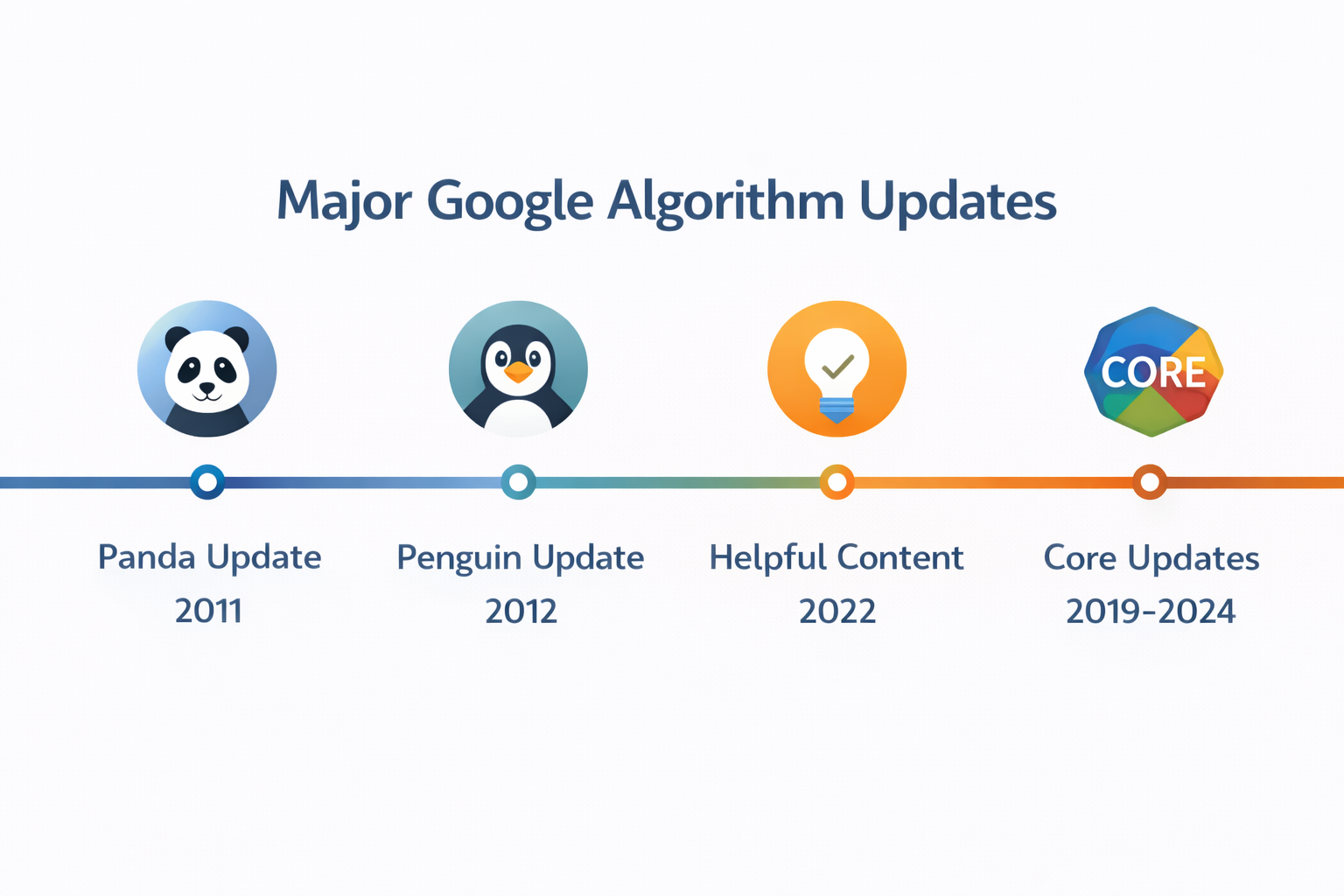
One of the most important updates in Google’s history was the Panda Update, released in 2011. This update focused on improving content quality. Before Panda, many low-quality websites ranked highly by publishing thin, duplicate, or poorly written content.
Panda changed this by prioritizing websites with original, helpful, and high-quality content. As a result, many low-quality websites lost rankings, while valuable content gained visibility. This update marked the beginning of Google’s strong focus on content quality, which continues in every google core update today.
The Penguin Update, launched in 2012, focused on backlink quality. At that time, many websites manipulated rankings by creating spammy or artificial backlinks. Penguin helped Google identify and reduce the impact of these low-quality links.
Websites with natural, high-quality backlinks gained rankings, while those using spam tactics experienced traffic drops. This update reinforced the importance of building trust and authority rather than using manipulative SEO tactics.
Another major step in Google’s evolution was the Helpful Content Update, introduced in 2022. This update focused on rewarding user-first content and reducing the visibility of content created primarily to manipulate search rankings.
Google emphasized that content should be written for real users, not just search engines. This update aligns closely with the purpose of every google core update, which is to improve search quality and reward genuinely helpful content.
In recent years, Google has released multiple google core update announcements annually. These updates do not target a single issue like backlinks or spam but instead improve the overall ranking system. They reassess content quality, relevance, expertise, and user experience across millions of websites. These updates ensure that the best and most helpful content appears at the top of search results.
Major Google Algorithm Updates Timeline
| Update | Year | Focus |
| Panda | 2011 | Content quality |
| Penguin | 2012 | Link quality |
| Helpful Content | 2022 | User-focused content |
| Core Updates | Ongoing | Overall ranking improvements |
This timeline shows how Google’s ranking system has evolved from focusing on individual problems to improving the entire search experience through the Google Core Update System. Each update builds on previous improvements, making Google better at identifying helpful, trustworthy, and high-quality content.
How Google Core Update Works
A Google core update works by improving how Google evaluates and ranks content across the entire web. Instead of targeting specific websites, a Google core update adjusts the Google ranking factors that determine which pages appear higher or lower in search results.
These updates help Google deliver more relevant, useful, and trustworthy content to users. As a result, SEO ranking changes occur because Google reassesses content quality and compares it with other competing pages.
Google Re-evaluates Website Content
During a Google core update, Google re-evaluates existing content based on quality, relevance, accuracy, and usefulness. Pages that provide complete, updated, and helpful information are more likely to gain higher rankings. On the other hand, outdated content, lacks depth, or does not fully answer user intent may lose rankings. This process ensures that users always see the best available content.
This re-evaluation does not mean your website did something wrong. It simply means Google found content that better meets its updated ranking standards. To understand this evaluation process in detail, you can learn how Google ranks websites (Internal link to: How Google Search Algorithm Works), which explains the ranking logic behind these changes.
Ranking Positions Shift Across Search Results
Once Google completes content re-evaluation, ranking positions shift across search results. Some websites experience ranking improvements and increased traffic because their content aligns well with the updated Google ranking factors. At the same time, other websites may experience ranking drops if their content is less helpful compared to competitors.
These SEO ranking changes are a normal part of a Google core update and affect websites across all industries. The update ensures that search results remain useful, accurate, and aligned with user needs.
Why Google Core Update Happens
The main purpose of a google core update is to improve the quality of search results and ensure users find the most helpful and relevant information. Google’s goal is not just to rank websites, but to provide accurate answers to user queries. Over time, new content is published, user behavior changes, and better resources become available. A google core update helps Google adjust its ranking system so that the most helpful content appears higher in search results.
One of the biggest reasons behind a google core update is to prioritize helpful content. Google wants to reward websites that provide clear, useful, and trustworthy information while reducing the visibility of low-quality or outdated pages.
Websites that focus on creating helpful content for SEO are more likely to perform well because they align with Google’s goal of improving user experience. Content that lacks depth, accuracy, or usefulness may lose rankings when Google updates its evaluation process.
Another important reason for a google core update is to remove outdated or less relevant content from top positions. For example, an article written several years ago may no longer be accurate or complete compared to newer content. When Google improves its ranking system, it may replace older pages with updated and more useful resources. This ensures users always receive the best and most reliable information.
Google makes thousands of algorithm improvements every year, but only a few are classified as google core update releases. These major updates have a broader impact because they improve the overall ranking system rather than targeting individual issues.
A google core update also helps Google adapt to changing user expectations. As users demand better answers, faster websites, and more reliable information, Google must continuously improve how it evaluates and ranks content.
How to Check If Your Website Was Hit by Google Core Update
When a google core update is released, many website owners notice sudden changes in traffic and rankings. However, not every traffic drop is caused by a google core update. It is important to verify the impact using reliable tools and data before making changes. By analyzing traffic patterns, keyword rankings, and affected pages, you can determine whether your website was impacted and identify the areas that need improvement.
The key is to compare your website’s performance before and after the google core update announcement date. If you see a clear drop or increase in traffic during that period, it is likely that your website was affected by the update.
Use Google Search Console
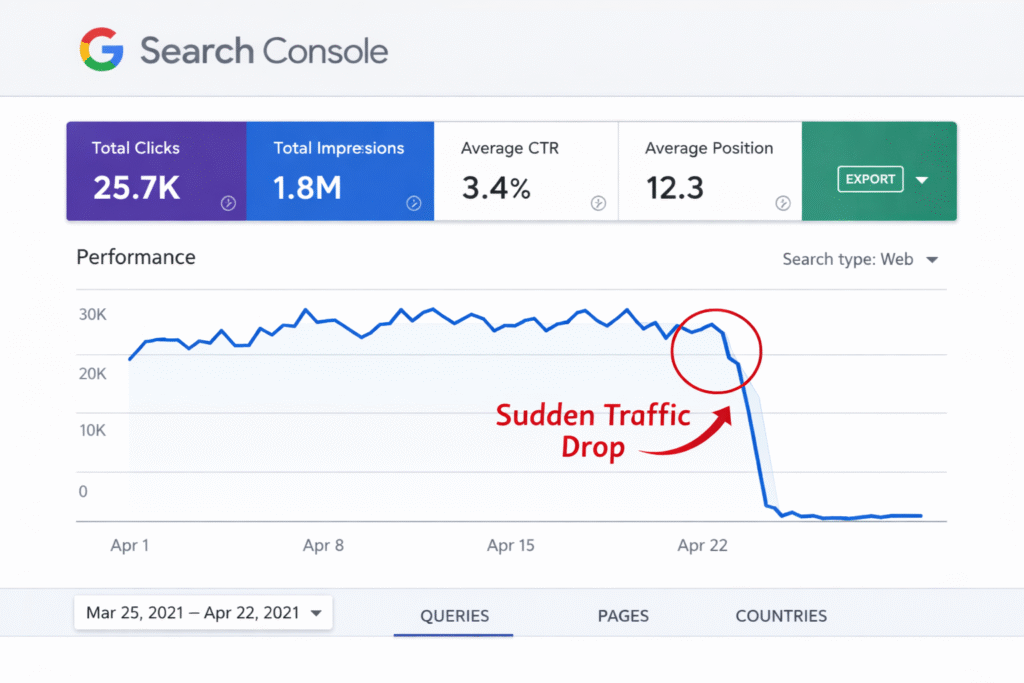
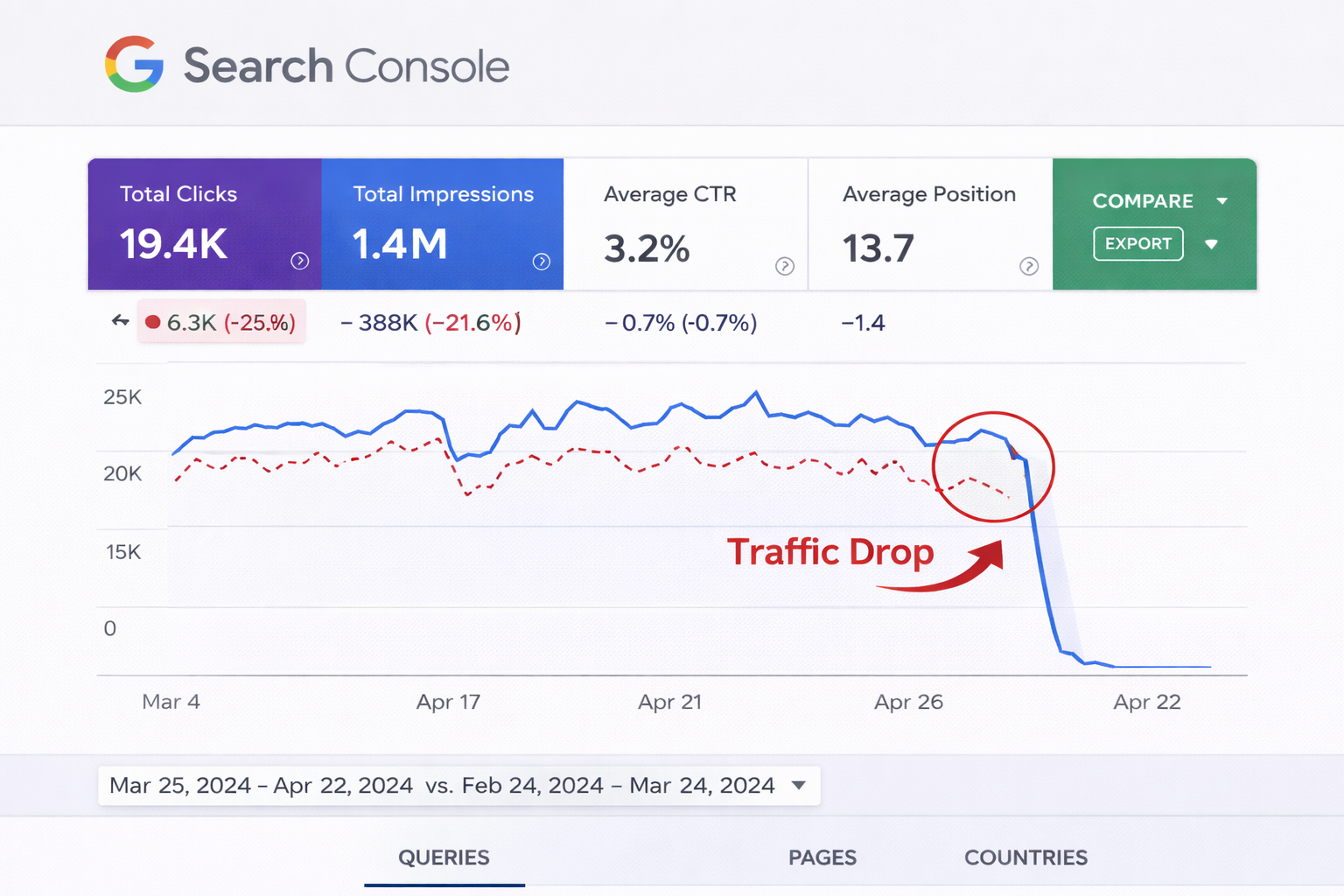
Google Search Console is the most reliable and free tool for checking whether your website was affected by a Google core update. It provides detailed insights into your website’s search performance, including clicks, impressions, and keyword rankings.
Start by opening the Performance report in Google Search Console. Look for any sudden drops or spikes in clicks and impressions. These changes often indicate the impact of a Google core update. Next, compare different date ranges, such as the 7 days before and after the update. This helps you clearly see whether your website lost or gained traffic during that period.
You should also check the Pages tab to identify which specific pages lost traffic. This helps you focus on improving the pages most affected by the Google core update.
Use SEO Tools
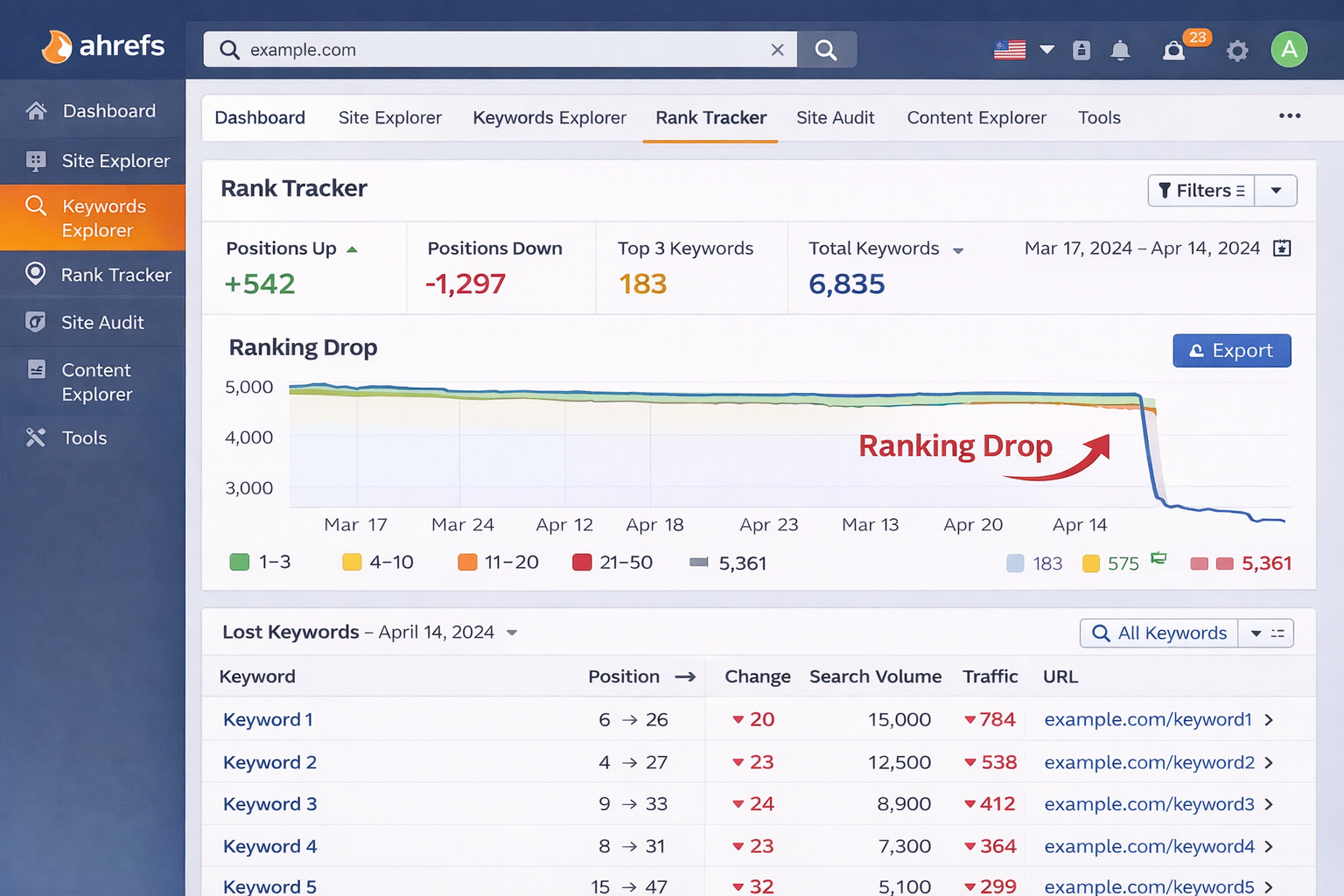
Professional SEO tools like Ahrefs and SEMrush provide deeper insights into ranking and traffic changes. These tools track keyword positions and can show exactly when your rankings changed.
In Ahrefs, you can use the Site Explorer tool to view organic traffic trends and keyword rankings. If you see a sudden drop in keyword rankings around the time of a Google core update, it is a strong indicator that your website was affected.
Similarly, SEMrush provides Position Tracking and Organic Research reports. These reports show which keywords dropped in rankings and how much traffic was lost. SEO tools also allow you to compare your performance with competitors, helping you understand why other websites may have outranked you after the Google core update.
Check Keyword Ranking Changes
Keyword rankings are one of the clearest indicators of a Google core update impact. When Google updates its ranking system, it reassesses content and adjusts keyword positions accordingly. If your website drops from page one to page two or lower, it can lead to a significant traffic decrease.
Check your most important keywords and see whether their rankings changed after the Google core update. Focus especially on keywords that previously generated high traffic. If multiple important keywords dropped at the same time, it is likely due to the update.
You should also analyze competitor websites that replaced your rankings. This helps you understand what improvements Google is rewarding, such as better content quality, more detailed explanations, or improved user experience.
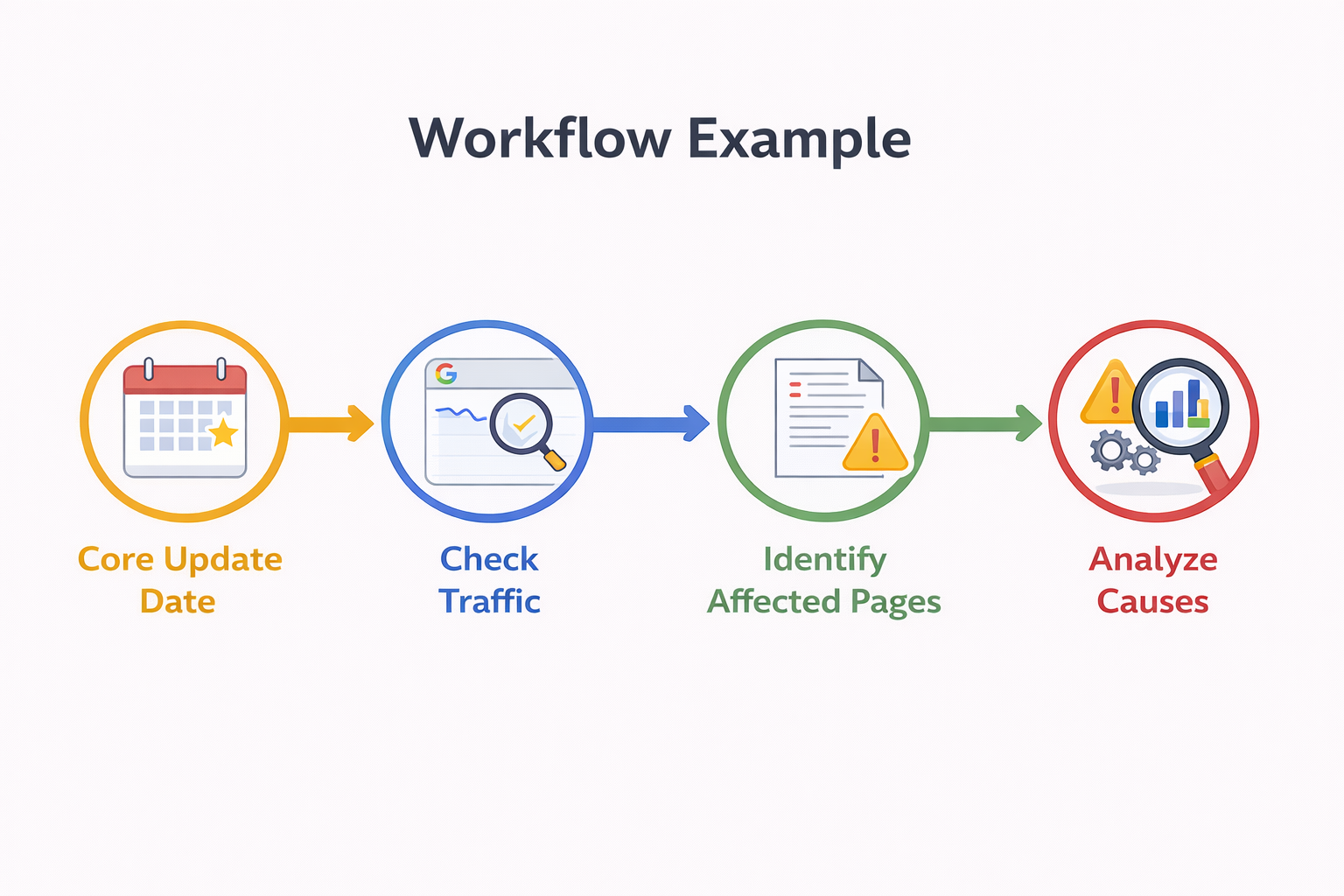
This workflow helps you systematically identify and respond to the impact of a google core update. Instead of guessing, you can use real data to understand what changed and how to improve your website.
Also Read: Do Keywords Still Matter for SEO? Yes—But Not How You Think
Google Core Update Ranking Factors Explained
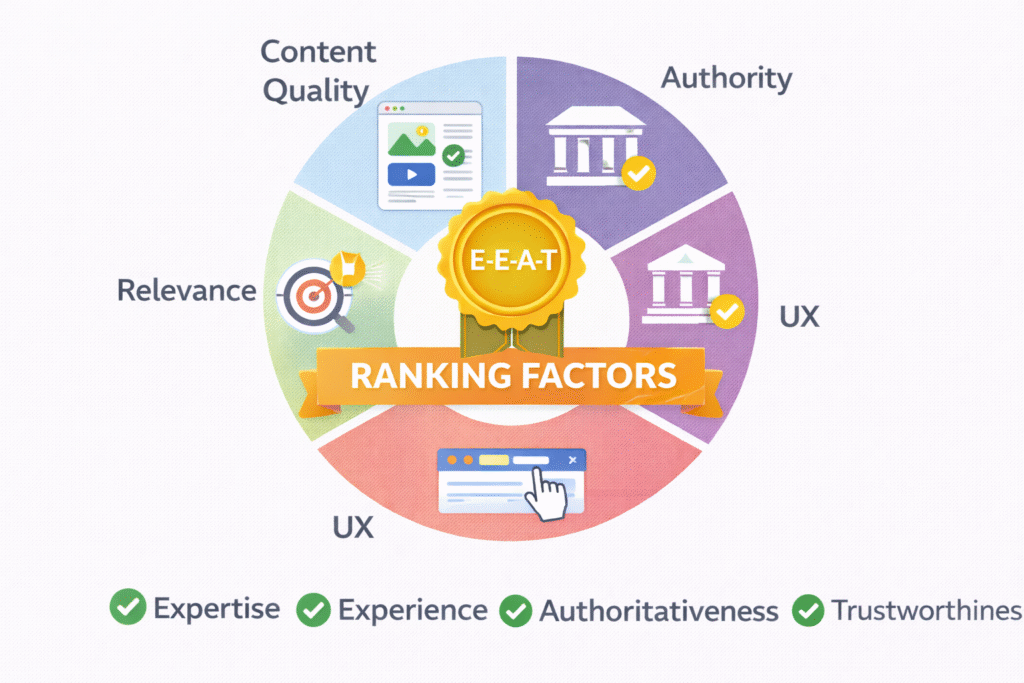
A Google core update improves how Google evaluates and ranks content across the web. Instead of targeting a single issue, it reassesses multiple ranking factors to ensure users see the most helpful and trustworthy information.
Understanding these ranking factors is essential because they determine whether your website gains or loses visibility after a Google core update. Websites that align with these quality signals are more likely to maintain stable rankings and grow their organic traffic.
Google uses hundreds of ranking signals, but the most important ones focus on content quality, relevance, user experience, authority, and EEAT. These factors help Google determine which pages provide the best answers to user queries.
Content Quality
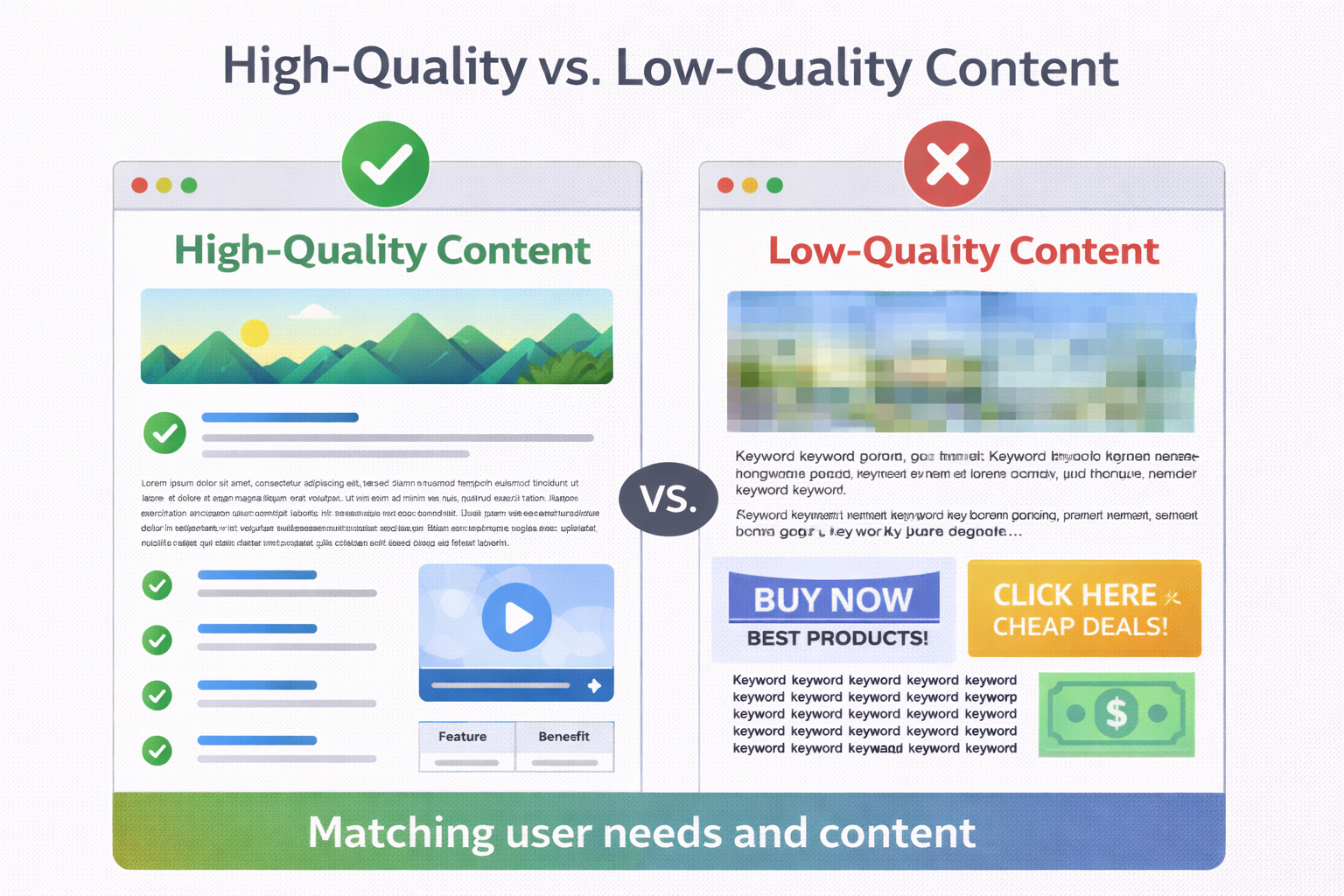
Content quality is one of the most important factors affected by a Google core update. Google prioritizes content that is original, helpful, accurate, and detailed. High-quality content clearly answers user questions and provides value that cannot be easily found elsewhere.
Low-quality content, such as thin articles, duplicate information, or poorly written pages, is more likely to lose rankings after a Google core update. Google’s goal is to ensure users see useful and reliable content, so websites that invest in well-researched and informative content are rewarded.
For example, a 500-word article with basic information may lose rankings to a 2,000-word article that includes detailed explanations, examples, and visuals. Improving content depth and usefulness increases the chances of ranking higher after a Google core update.
Content Relevance
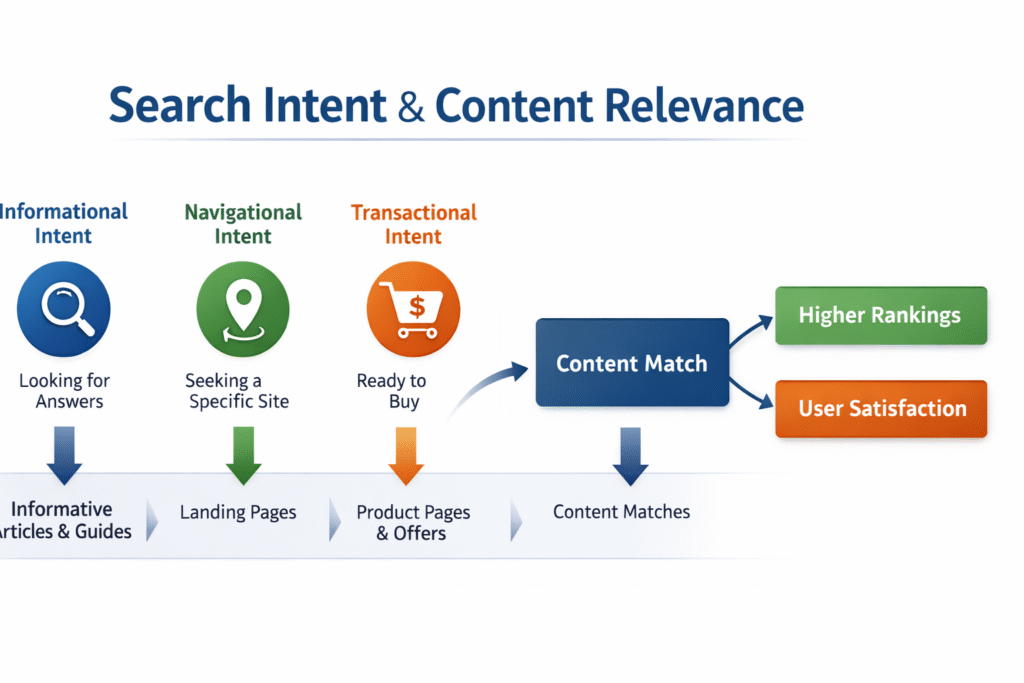
Content relevance refers to how closely your content matches what users are searching for. During a Google core update, Google improves its ability to understand search intent and deliver more relevant results.
If your content does not fully answer user questions or lacks important information, it may lose rankings. On the other hand, content that provides complete and relevant answers is more likely to gain visibility.
For example, if someone searches for “how Google core update works,” Google prefers content that explains the process clearly, includes examples, and provides actionable insights. Content that is vague or incomplete may rank lower.
Updating content regularly and ensuring it matches current user intent helps maintain relevance and improve rankings.
User Experience
User experience is another key factor in every Google core update. Google evaluates how users interact with your website, including page speed, mobile-friendliness, and ease of navigation.
Websites that load quickly and provide a smooth browsing experience are more likely to rank higher. Slow-loading pages, poor mobile design, and confusing layouts can negatively affect rankings.
Google also considers user engagement signals, such as how long visitors stay on your page and whether they find the content useful. If users leave quickly, it may indicate that the content does not meet their needs.
Improving page speed, mobile usability, and content readability helps create a better user experience and improves performance after a Google core update.
Website Authority
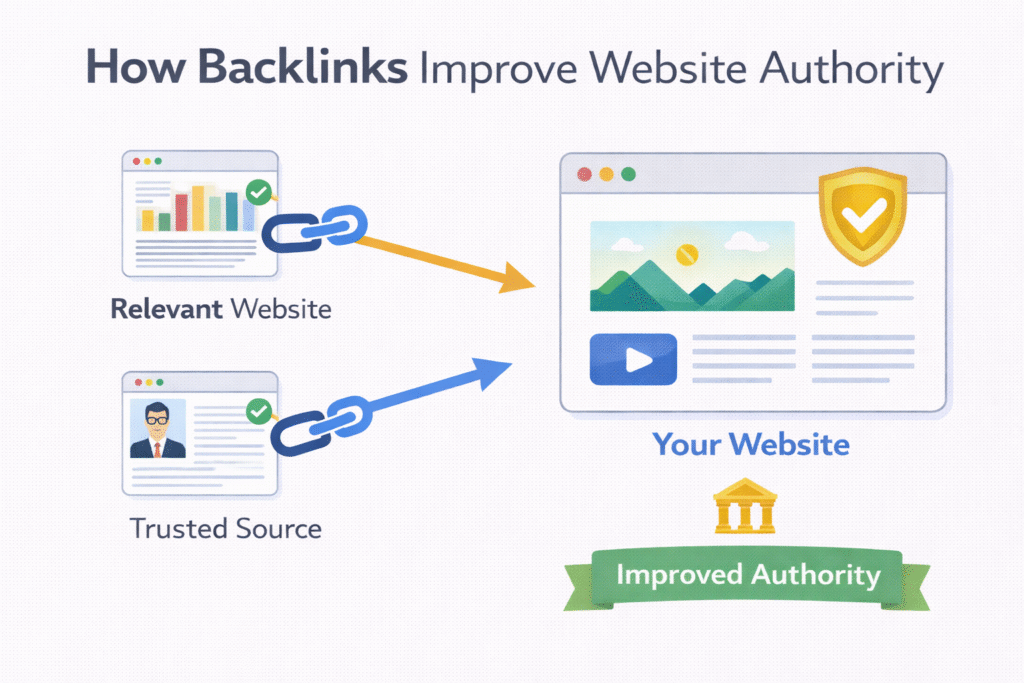
Website authority reflects how trustworthy and credible your website appears to Google. Websites with strong authority are more likely to perform well after a google core update.
Authority is influenced by factors such as high-quality backlinks, consistent content publishing, and overall website reputation. When reputable websites link to your content, it signals to Google that your website provides valuable information.
For example, a website with backlinks from trusted sources like educational institutions, industry blogs, or news websites is considered more authoritative than a website with no trusted links.
Building authority takes time, but it significantly improves long-term SEO performance.
EEAT (Experience, Expertise, Authority, Trust)
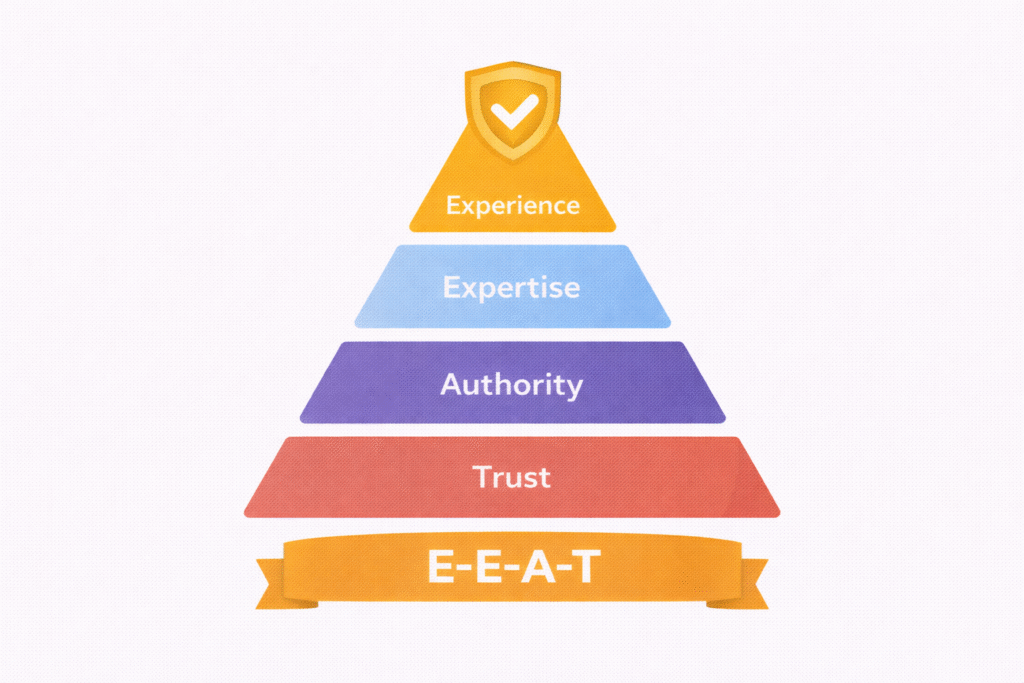
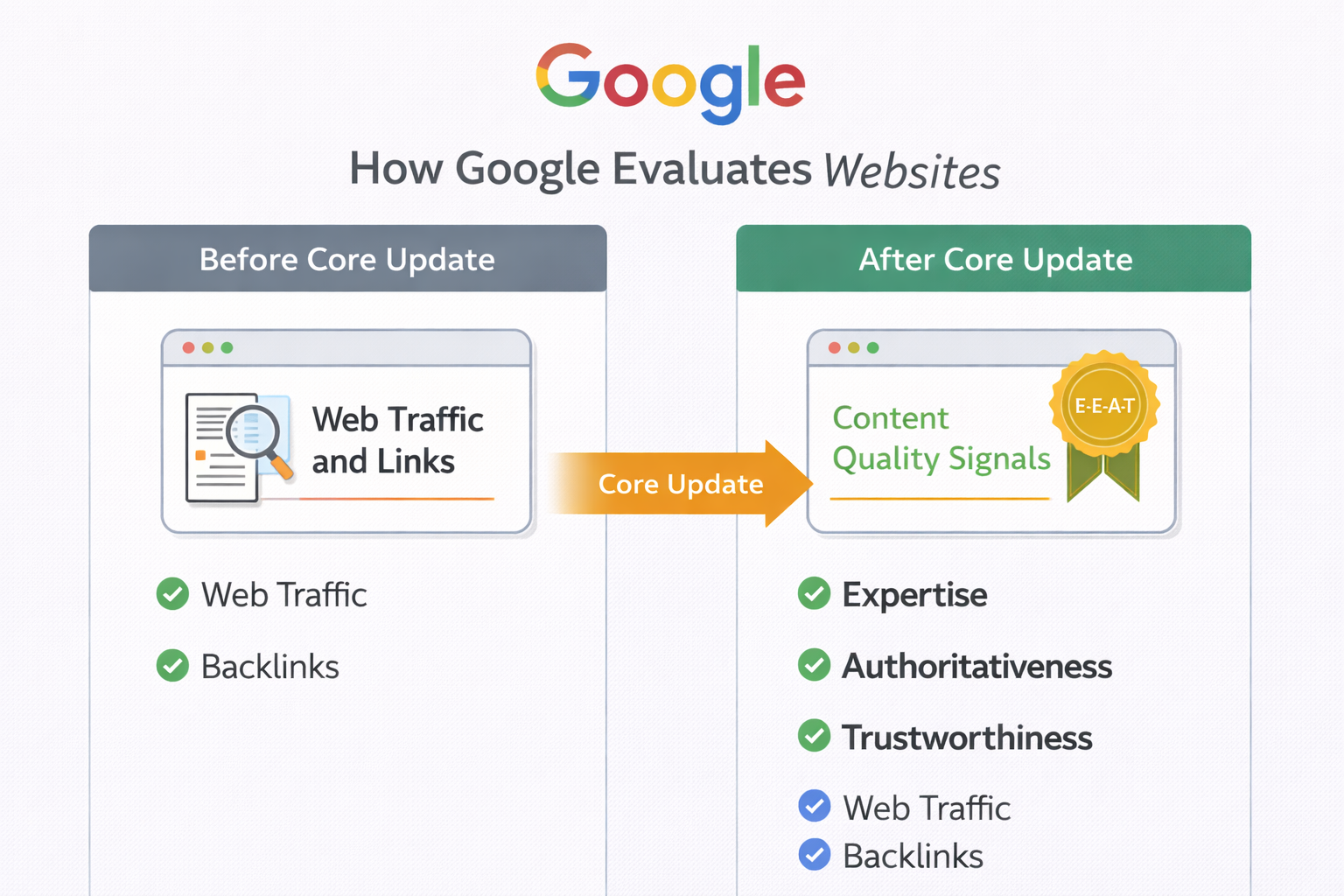
EEAT stands for Experience, Expertise, Authority, and Trust. It is one of the most important concepts behind every google core update. Google uses EEAT to evaluate whether your content is credible and reliable.
Experience refers to whether the content is based on real-world knowledge or practical use. Expertise means the content demonstrates strong subject knowledge. Authority reflects your reputation in the industry, and Trust ensures your website is reliable and secure.
For example, a digital marketing article written by an experienced professional with real examples is more likely to rank higher than generic content without practical insights.
Improving EEAT involves creating original content, providing accurate information, building credibility, and maintaining transparency. Websites that demonstrate strong EEAT signals are more likely to benefit from a google core update.
Understanding these ranking factors helps you align your website with Google’s expectations. By focusing on quality, relevance, user experience, authority, and EEAT, you can improve rankings and maintain stability even after a google core update.
How Google Core Update Affects Websites
A Google core update can significantly change how websites perform in search results. These updates reassess content quality, relevance, and usefulness, which means some websites gain rankings while others experience a website traffic.
This happens because Google re-evaluates millions of pages and adjusts rankings based on which content best satisfies user intent. As a result, SEO ranking changes are normal after every Google core update, and they can affect websites across all industries, including blogs, e-commerce sites, and business websites.
For example, a website that was previously ranking in the top positions may suddenly lose visibility if Google determines that other pages provide more helpful or updated information. This can lead to a noticeable website traffic drop, reduced impressions, and fewer clicks. To properly analyze this impact, it is important to regularly check website traffic in Google Search Console, which helps identify which pages lost rankings and when the drop occurred.
At the same time, some websites benefit from a Google core update and see increased traffic. These websites usually have high-quality content, strong user engagement, and better alignment with Google’s ranking signals. Core updates do not target specific websites; instead, they improve the overall ranking system, which causes ranking volatility across search results.
Example case study: A digital marketing blog was ranking at position #3 for a competitive keyword and receiving consistent traffic. After a Google core update, its ranking dropped to position #9 because competitors had more detailed and updated content.
Table: Impact of Google Core Update on Rankings and Traffic
| Before Core Update | After Core Update |
| Rank #3 | Rank #9 |
| 5,000 visitors/month | 2,000 visitors/month |
This example shows how a Google core update can directly impact rankings and traffic. However, these changes also create opportunities. Websites that improve content quality, update outdated information, and focus on user experience can recover and even achieve higher rankings over time.
Common Mistakes That Cause Ranking Drops After Core Update
A google core update often causes ranking drops because Google improves how it evaluates content quality and user experience. When this happens, websites with weak content, poor usability, or outdated information may lose visibility. These ranking drops are not penalties but the result of Google finding better alternatives that provide more value to users. Understanding the most common mistakes can help you avoid traffic losses and improve your long-term SEO performance.
Thin Content
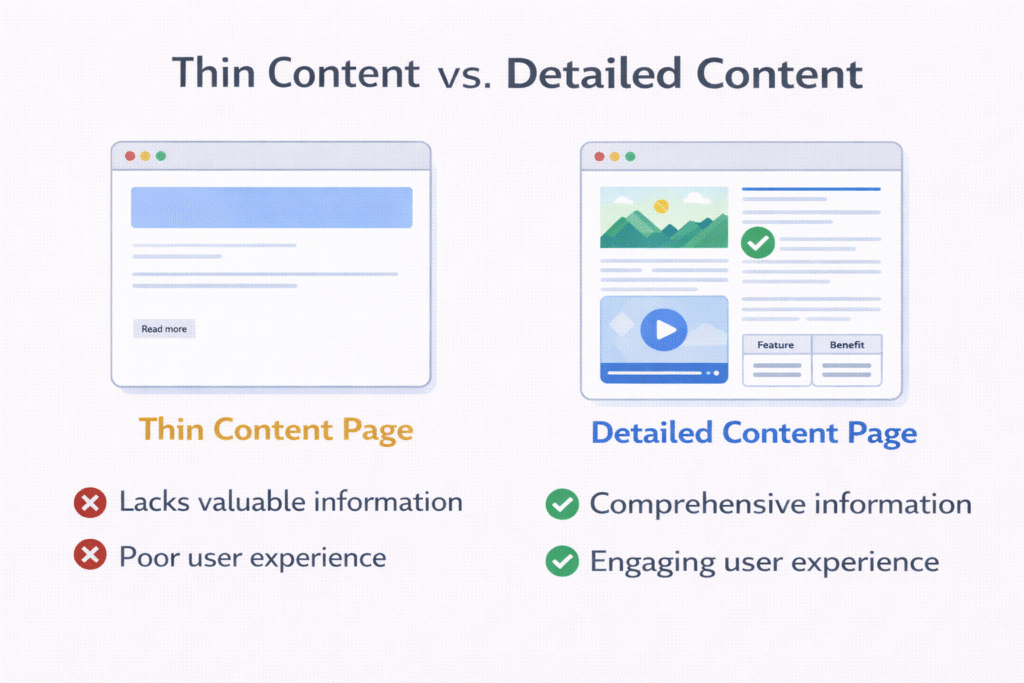
Thin content is one of the most common reasons websites lose rankings after a google core update. Thin content refers to pages that provide very little useful information or fail to fully answer user questions. These pages may have very low word count, lack detailed explanations, or offer generic information that is already available on many other websites.
Google prioritizes helpful and comprehensive content. If your page does not provide enough value, Google may replace it with more detailed and informative content from competitors. Improving thin content by adding detailed explanations, examples, visuals, and updated information can help recover rankings.
Outdated Content
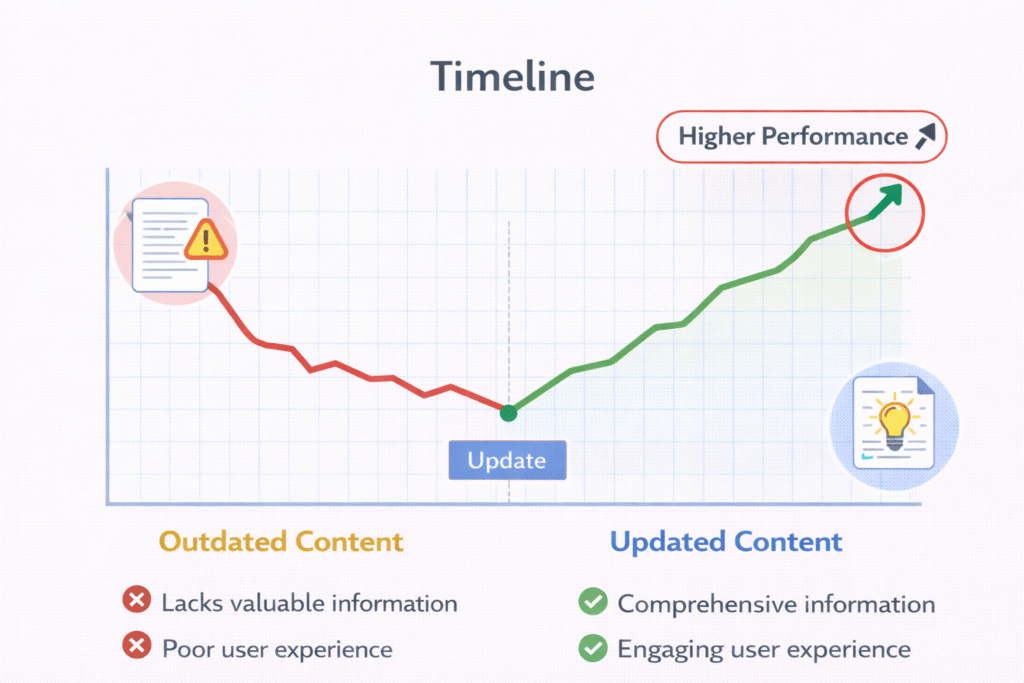
Outdated content can also lead to ranking drops after a google core update. Google prefers fresh and accurate information, especially for topics that change frequently. If your content contains old statistics, outdated strategies, or irrelevant information, it may lose rankings.
For example, an article about SEO strategies written several years ago may not include recent ranking factors or algorithm changes. Updating your content regularly ensures that it remains relevant and useful. Adding new insights, updated examples, and current data helps improve rankings and maintain visibility.
Poor User Experience
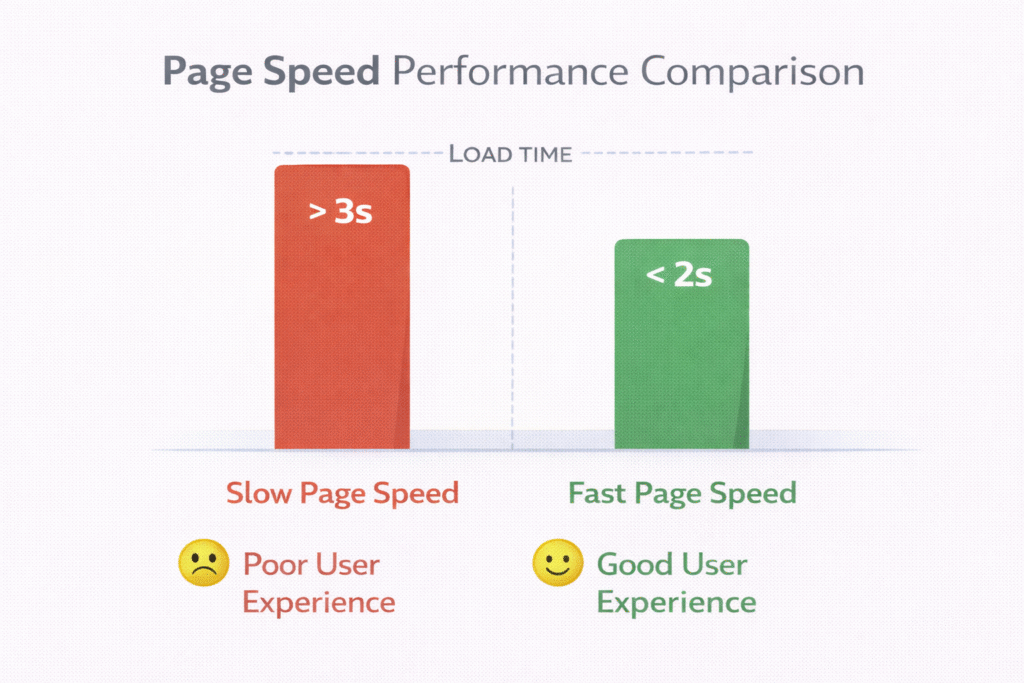
User experience is a critical factor in Google’s ranking system. Websites that are slow, difficult to navigate, or not mobile-friendly may lose rankings after a google core update. Google wants users to have a smooth and positive experience, so websites that provide better usability are rewarded.
Common user experience problems include slow page speed, intrusive popups, poor mobile design, and confusing layouts. Improving page speed, simplifying navigation, and ensuring mobile compatibility can significantly improve rankings and user engagement.
Keyword Stuffing
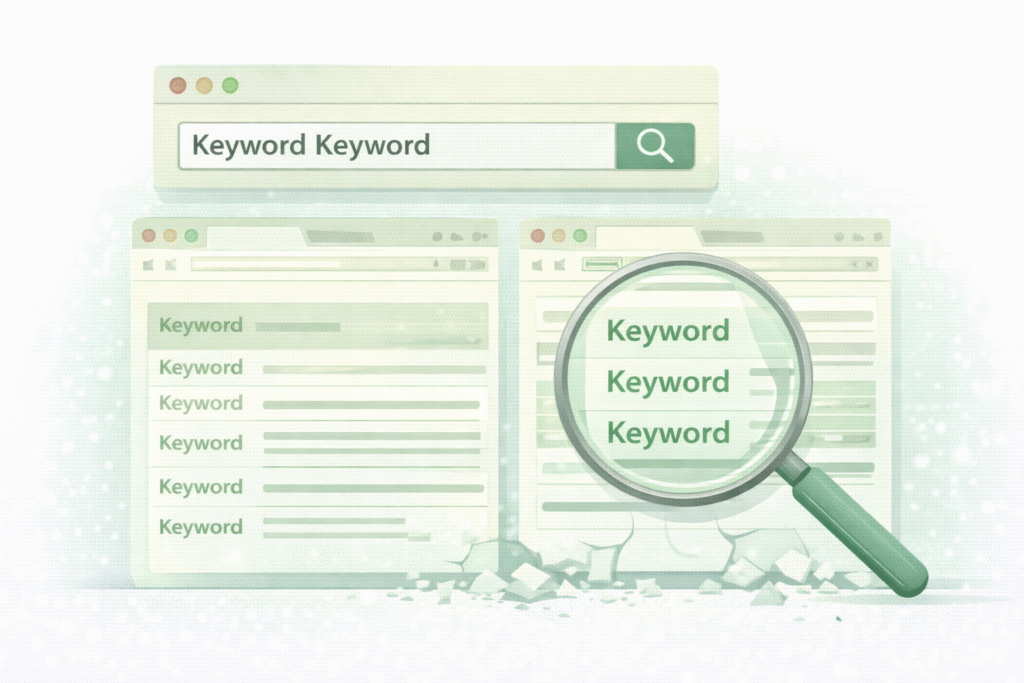
Keyword stuffing is an outdated SEO practice that involves using the same keyword excessively in content. While keywords are important, overusing them makes content unnatural and reduces readability. Google’s modern ranking system focuses on content quality rather than keyword repetition.
After a google core update, websites that use keyword stuffing may lose rankings because Google prioritizes natural, user-friendly content. Instead of repeating keywords excessively, focus on creating valuable content that answers user questions clearly and naturally.
Low Authority Website
Website authority plays a major role in determining rankings. Websites with low authority may lose rankings after a google core update if competitors have stronger credibility and trust signals. Authority is built through high-quality content, trusted backlinks, and consistent publishing.
For example, a new website with limited content and no backlinks may struggle to compete with established websites. Building authority takes time, but creating valuable content and earning trusted backlinks can improve rankings and protect your website from future ranking drops.
Avoiding these common mistakes helps ensure your website remains strong and stable during a google core update. By focusing on helpful content, improving user experience, and building authority, you can maintain and improve your search rankings over time.
How to Recover From Google Core Update
Recovering from a google core update requires a strategic approach focused on improving content quality, relevance, and user experience. A google core update does not penalize websites directly; instead, it reassesses content and ranks pages that provide the most helpful and valuable information. If your website experienced a website traffic drop, it means Google found other content more useful for users. The solution is not to panic, but to identify weaknesses and improve your website accordingly.
The first step is to identify which pages were affected. Use Google Search Console to analyze performance reports and find pages with ranking or traffic declines. Focus on improving those pages by adding more detailed explanations, updated information, and practical examples. Content that is outdated, thin, or lacks depth is more likely to lose rankings after a google core update.
The second step is to improve content quality and usefulness. Google prioritizes content that demonstrates Experience, Expertise, Authority, and Trust (EEAT). This means your content should clearly answer user questions, provide accurate information, and offer real value. Updating old blog posts, adding new insights, and improving readability can significantly improve rankings over time.
The third step is to improve user experience. Websites that load faster, are mobile-friendly, and provide easy navigation tend to perform better after a google core update. A slow or poorly designed website can negatively affect rankings and user engagement.
You should also analyze competitor content that outranked your website. Identify what they are doing better, such as providing more detailed information, better visuals, or clearer explanations. Use these insights to improve your own content strategically.
Step-by-step recovery workflow:
- Identify pages affected by google core update
- Analyze ranking and traffic changes
- Improve content depth and quality
- Update outdated information
- Improve page speed and mobile usability
- Monitor performance over time
Example: A website that lost 40% traffic after a google core update improved its content by adding detailed explanations, updated statistics, and better visuals. Within three months, the website recovered its rankings and gained more traffic than before.
How to Prepare for Future Google Core Updates
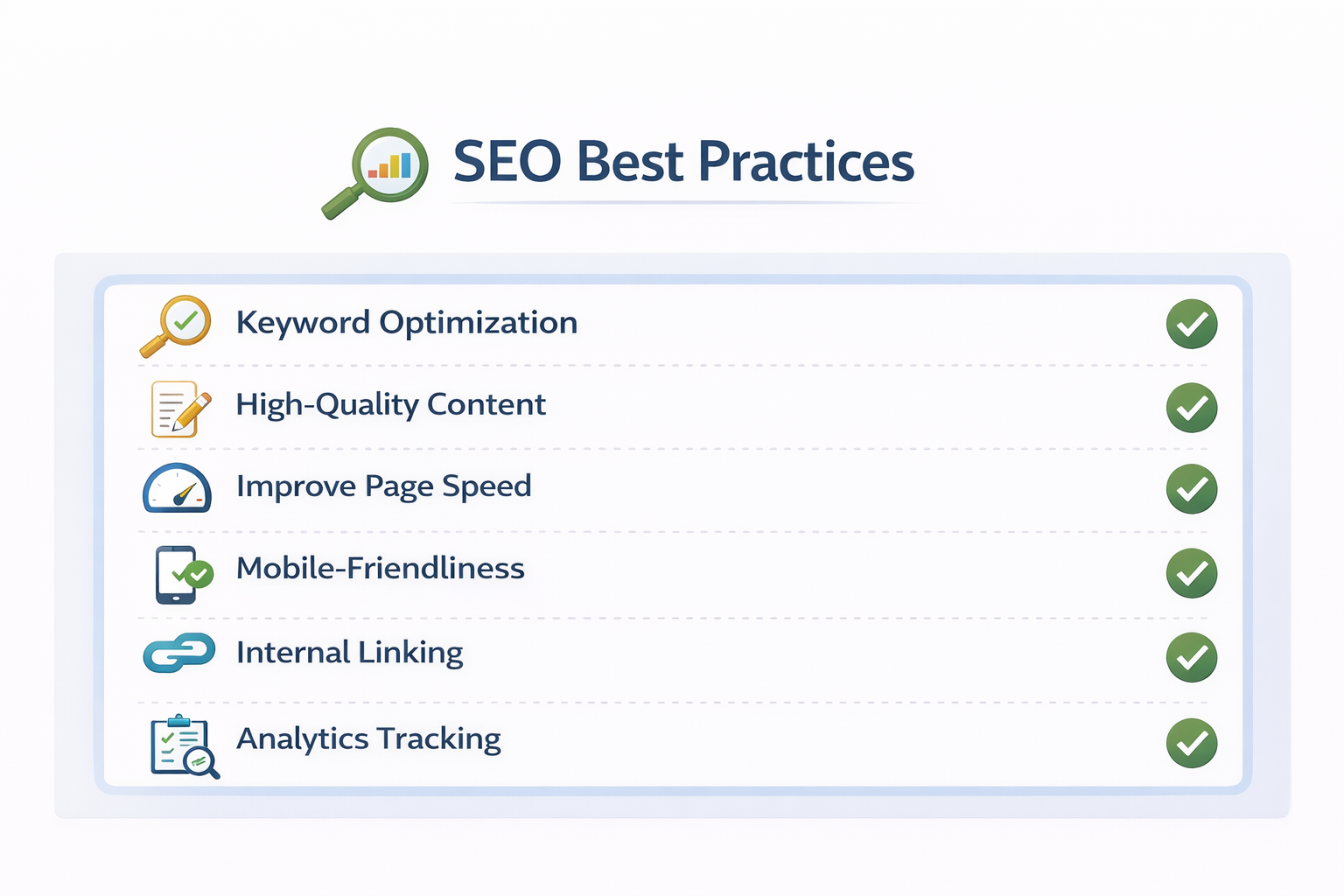
Preparing your website in advance is the most effective way to handle any google core update. Instead of reacting after rankings drop, websites that follow a strong SEO strategy and consistently provide value are more likely to maintain or improve their rankings. Google’s goal is to reward helpful, relevant, and trustworthy content, so your long-term focus should always be on quality rather than shortcuts.
The first step is to focus on creating high-quality content that fully answers user questions. Content should be detailed, accurate, and easy to understand. When your content genuinely helps users, it aligns with Google’s ranking goals and becomes more resilient during a google core update. Avoid shortcuts such as keyword stuffing, thin content, or copying information, as these practices can lead to ranking drops when Google improves its evaluation process.
Another important step is to update your content regularly. Search trends, user expectations, and industry information change over time. Updating older articles with new insights, improved explanations, and relevant examples ensures your website remains useful and competitive. Following a strong content optimization strategy helps ensure your content stays relevant and performs well even after future updates.
It is also important to maintain a strong overall SEO strategy that includes improving website speed, ensuring mobile-friendliness, and providing a good user experience. Websites that load quickly and are easy to navigate are more likely to maintain stable rankings during a Google core update.
Example: Websites that consistently publish high-quality and updated content often recover faster after a Google core update and may even gain higher rankings. This happens because Google prioritizes websites that demonstrate long-term value and reliability.
Google Core Update Example (Real Case Study)
To understand the real impact of a Google core update, let’s look at a practical example of how rankings and traffic can change—and how recovery is possible with the right improvements. A digital marketing blog that was consistently receiving around 10,000 monthly visitors experienced a sudden drop in traffic after a Google core update. The website owner noticed that several important pages had dropped in rankings because competing websites were offering more detailed, updated, and helpful content.
After analyzing performance using Google Search Console, the website owner identified the pages most affected by the google core update. Instead of creating new pages immediately, they focused on improving the existing content. They added more detailed explanations, updated outdated information, included relevant examples, and improved readability. They also enhanced user experience by improving page speed and making the content easier to navigate.
Over the next few months, Google re-evaluated the improved content. As a result, the website gradually recovered its rankings and traffic. Eventually, the website not only recovered the lost traffic but also gained more visitors than before the google core update. This shows that core updates are not permanent penalties but opportunities to improve content quality and achieve better rankings.
Traffic Recovery After Google Core Update
| Stage | Traffic |
| Before Update | 10,000 visitors/month |
| After Update | 6,000 visitors/month |
| After Optimization | 11,000 visitors/month |
This example demonstrates that websites affected by a google core update can recover successfully by focusing on helpful content, improving quality, and aligning with Google’s ranking expectations.
What is a Google core update?
A google core update is a major change to Google’s search algorithm that improves how websites are evaluated and ranked. Instead of targeting specific websites, it updates the overall ranking system to show more helpful, relevant, and high-quality content in search results. These updates can cause ranking increases or drops depending on content quality.
How often does Google release core updates?
Google typically releases core updates several times per year, usually every few months. These updates help improve search result accuracy and ensure users see the most useful content. Google may also release smaller updates more frequently, but core updates have a much bigger impact.
Why did my website traffic drop after a Google core update?
Your website traffic may drop after a google core update because Google reassesses content quality and relevance. If competing websites have better, more helpful, or updated content, they may rank higher, causing your rankings and traffic to decrease.
How long does it take to recover from a Google core update?
Recovery time varies depending on how quickly you improve your content and website quality. Some websites recover within a few weeks, while others may take several months or until the next google core update. Improving content quality and user experience can speed up recovery.
Does Google core update penalize websites?
No, a google core update does not penalize websites. Instead, it improves how Google evaluates content. Ranking drops happen because other websites may provide better content, not because your website is penalized.
How can I check if my website was affected by a Google core update?
You can check your website performance using Google Search Console. Look for sudden drops in clicks, impressions, or keyword rankings during the update period. Comparing traffic before and after the google core update helps identify the impact.
What should I do after a Google core update?
After a google core update, review your content and improve quality, accuracy, and relevance. Update outdated information, improve user experience, and focus on creating helpful content that answers user questions clearly.
What type of websites are most affected by Google core updates?
Any website can be affected, including blogs, business websites, and eCommerce sites. Websites with outdated, thin, or low-quality content are more likely to lose rankings, while high-quality websites often gain traffic after a google core update.
Can new websites be affected by Google core updates?
Yes, new websites can also be affected by a google core update. However, websites with strong, helpful content and good SEO practices are more likely to gain rankings rather than lose them.
How can I protect my website from future Google core updates?
You can protect your website by focusing on high-quality content, improving user experience, updating content regularly, and following SEO best practices. Websites that provide helpful and trustworthy information are less affected by google core updates.

Founder at Digital Marketing Marvel | Founder at RKDMT – Raju Kumar Digital Marketing Trainer | Best Digital Marketing Trainer in Delhi/NCR – Digiperform | Project Manager | 5+ years | Genius Study Abroad & Inlingua’s Digital Marketing Head | Learn Digital Marketing