


7 Influencer Strategies to Learn Digital Marketing Fast
In today’s fast-changing online world, influencer marketing has become more than just a promotional tactic — it’s also a powerful learning tool for aspiring digital marketers. By observing how influencers build audiences, promote brands, and drive engagement, learners can gain hands-on insights that traditional courses often fail to provide.
This is why influencer strategies to learn digital marketing are becoming one of the smartest and fastest ways to build real-world marketing skills.
Unlike textbooks or theory-heavy lessons, influencers operate in real-time. They test content ideas, analyze audience reactions, optimize campaigns, and track performance metrics every day.
When you study these actions closely, you get a front-row seat to how digital marketing actually works in practice — from content creation and branding to paid promotions, conversions, and community building. This practical exposure helps learners understand consumer behavior, platform algorithms, storytelling techniques, and performance analytics much faster than conventional learning methods.
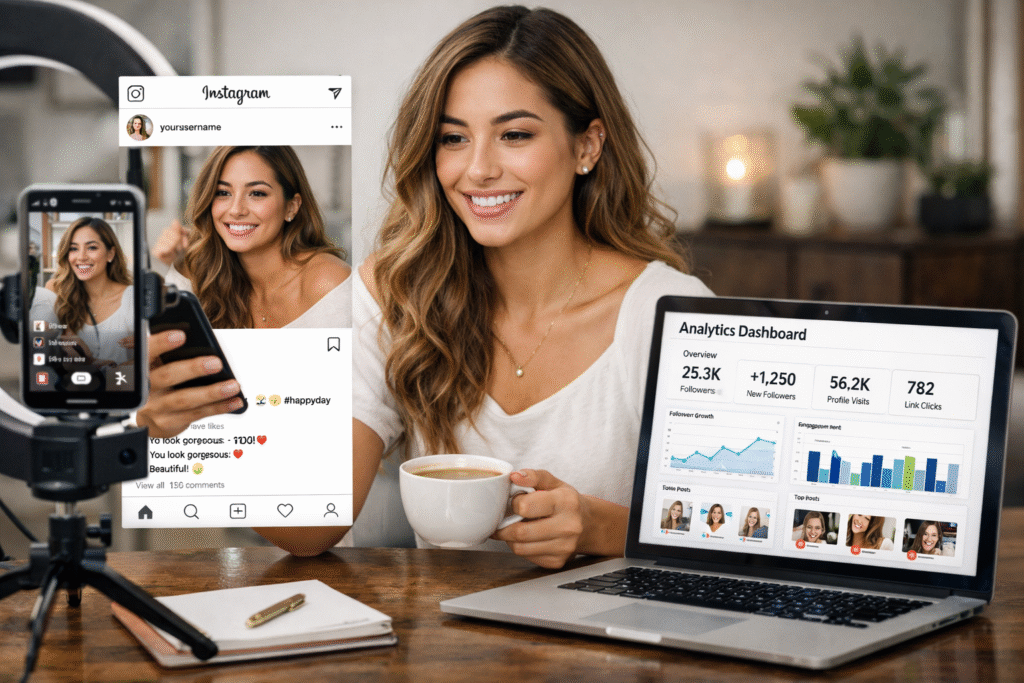
Using influencer strategies to learn digital marketing also accelerates skill development because it encourages active learning. Instead of passively watching tutorials, you analyze live campaigns, reverse-engineer influencer posts, track engagement patterns, and apply those insights to your own practice projects.
This approach bridges the gap between theory and execution — a critical factor for students, beginners, and working professionals who want to become job-ready in a competitive digital market.
In this blog, you’ll discover 7 proven influencer strategies to learn digital marketing fast. These strategies will help you understand trends, analyze marketing funnels, collaborate with micro-influencers, study content storytelling, track campaign analytics, and even build your own personal brand using influencer-inspired techniques.
Each strategy is designed to give you practical experience, measurable learning outcomes, and career-relevant skills.
Whether you’re a student exploring career options, a beginner starting your digital marketing journey, or a professional looking to upgrade your skills, influencer-based learning can give you a major advantage. It allows you to learn from real creators, real campaigns, and real audience responses — making your growth faster, smarter, and more industry-ready.
If you’re just getting started, you may want to Learn more about digital marketing basics before diving deeper into influencer-driven strategies.
By the end of this guide, you’ll understand how to apply influencer strategies to learn digital marketing effectively, build confidence through practice, and turn social media insights into powerful marketing expertise.
Why Influencer Strategies Help You Learn Digital Marketing Faster
In the modern digital ecosystem, learning marketing through real-world examples is far more effective than relying only on theory. This is where influencer strategies to learn digital marketing stand out. Influencers operate in live market conditions — testing content, experimenting with formats, engaging audiences, and driving conversions in real time. By studying their actions, learners gain practical, hands-on marketing exposure that accelerates skill development.
One major reason influencer-based learning is so effective is real-time trend awareness. Influencers are often the first to adopt new social media features, content styles, platform algorithms, and emerging digital tools. Observing how influencers respond to trends teaches learners how to adapt quickly, stay relevant, and create content that resonates with evolving audiences — a critical skill in digital marketing.
Another advantage of influencer strategies to learn digital marketing is a deeper insight into audience psychology. Influencers build strong emotional connections with followers, which makes them ideal case studies for understanding trust-building, brand storytelling, and community engagement. By analyzing comments, shares, saves, and direct messages, learners can understand what motivates audiences to engage, follow, and purchase — something that no textbook can fully replicate.
Influencers also provide a practical lens into marketing funnels and conversions. From brand awareness campaigns to affiliate marketing links and sponsored promotions, influencers demonstrate how audiences move from discovery to action. Tracking these funnels helps learners understand lead generation, retargeting, call-to-action optimization, and ROI measurement — all core pillars of performance marketing.
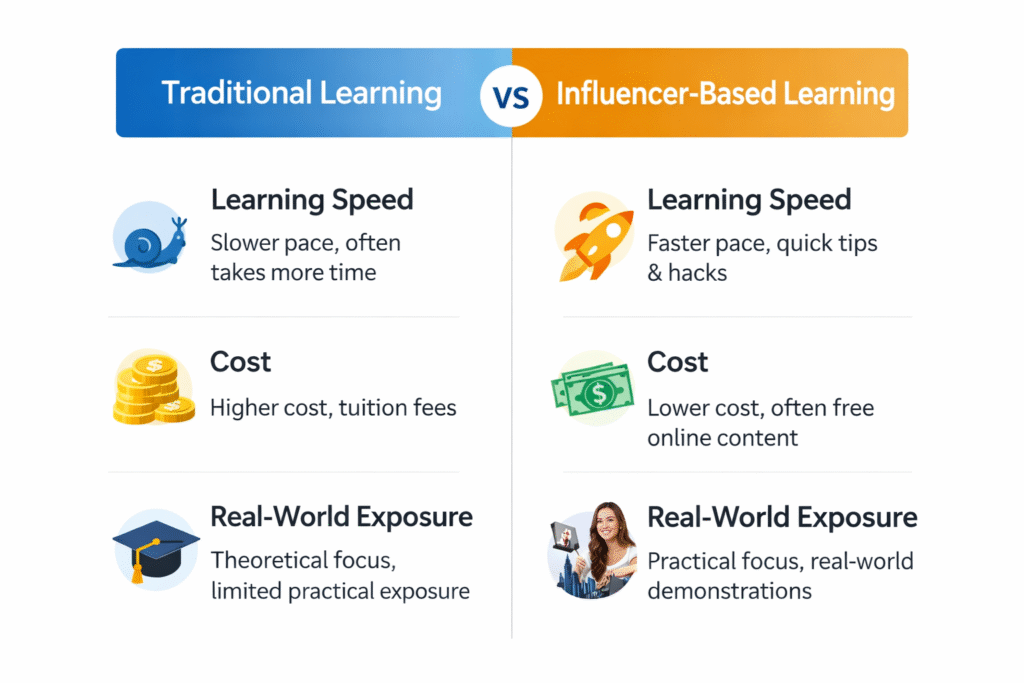
Key Fact: According to recent industry data, influencer marketing delivers up to 11x higher ROI compared to traditional banner advertising, making it one of the most impactful digital channels today. This strong performance makes influencer campaigns ideal real-world learning models for aspiring marketers.
Traditional Learning vs Influencer-Based Learning
| Learning Method | Speed of Skill Growth | Practical Exposure | Cost | Real-World Relevance |
| Online Courses | Medium | Limited | Low–Medium | Moderate |
| Classroom Training | Slow | Low | High | Low–Moderate |
| Influencer-Based Learning | Fast | High | Low | Very High |
Beyond speed, influencer strategies to learn digital marketing help learners build career-ready skills such as campaign analysis, content ideation, social media management, performance tracking, and brand communication. Instead of memorizing concepts, learners observe how influencers execute marketing in real life — turning abstract theories into actionable insights.
For students and beginners, this approach creates a low-risk, high-impact learning environment. You can test strategies, analyze results, learn from influencer mistakes, and refine your understanding without spending large budgets. For professionals, influencer learning offers a way to stay updated, sharpen strategy skills, and improve campaign creativity.
Most importantly, influencer-based learning builds confidence. When learners understand how real campaigns perform and apply those lessons to personal projects, they develop practical expertise that employers and clients value. Over time, consistently applying influencer strategies to learn digital marketing can transform learners into data-driven, trend-aware, and execution-focused marketers.
Strategy #1 — Follow Niche Influencers to Understand Digital Trends
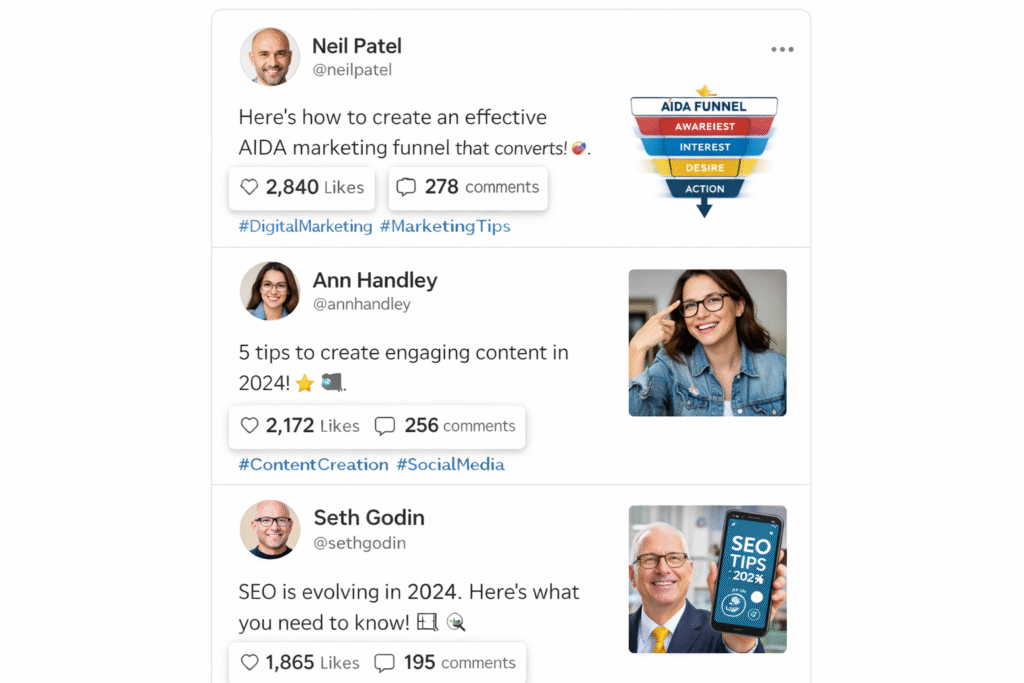
One of the smartest influencer strategies to learn digital marketing is to follow niche influencers who specialize in specific marketing areas. Instead of consuming random content from general creators, focus on influencers who consistently share insights about SEO, social media marketing, Google Ads, content marketing, email marketing, analytics, and AI tools. These creators often act as trendsetters, showing what works before it becomes mainstream.
By observing niche influencers, learners gain early access to emerging trends, platform updates, content formats, and growth tactics. For example, when Instagram Reels or YouTube Shorts gained popularity, marketing influencers were among the first to test new video styles, hooks, caption formats, and engagement tactics. Watching how they adapt teaches learners how to stay ahead of trends and respond quickly to algorithm changes — a crucial digital marketing skill.
Another benefit of this strategy is learning platform-specific best practices. A LinkedIn marketing influencer may teach B2B lead generation and professional branding, while a TikTok creator might demonstrate viral short-form storytelling. By following creators across multiple platforms, you can understand how marketing strategies differ by audience behavior, content style, and platform goals — helping you build a well-rounded marketing perspective.
Example: Real Learning Through Influencer Observation
A beginner interested in social media marketing can follow influencers who regularly share campaign breakdowns, carousel post tips, caption-writing strategies, and analytics insights. Over time, the learner starts recognizing patterns — such as which hooks generate more engagement, what posting times perform best, and how storytelling influences shares and saves. This transforms passive scrolling into active learning.
To maximize results, treat influencer content like a daily learning lab:
- Save high-performing posts
- Analyze why they worked
- Study captions, hashtags, visuals, and CTAs
- Track engagement growth over time
- Apply similar techniques in your own practice
This structured approach makes influencer strategies to learn digital marketing more effective and skill-oriented rather than entertainment-focused.
Top Digital Marketing Niches to Follow
- SEO & Content Marketing
- Paid Ads & Performance Marketing
- Social Media Growth
- Personal Branding
- Marketing Automation & AI
If you want to expand your knowledge further, check out Top digital marketing trends in 2026
By consistently studying niche creators, learners build a strong foundation in trend forecasting, content optimization, brand positioning, and campaign strategy. Over time, this habit strengthens your ability to predict what’s coming next — a valuable advantage in the competitive digital marketing industry.
Strategy #2 — Analyze Influencer Campaigns to Learn Marketing Funnels
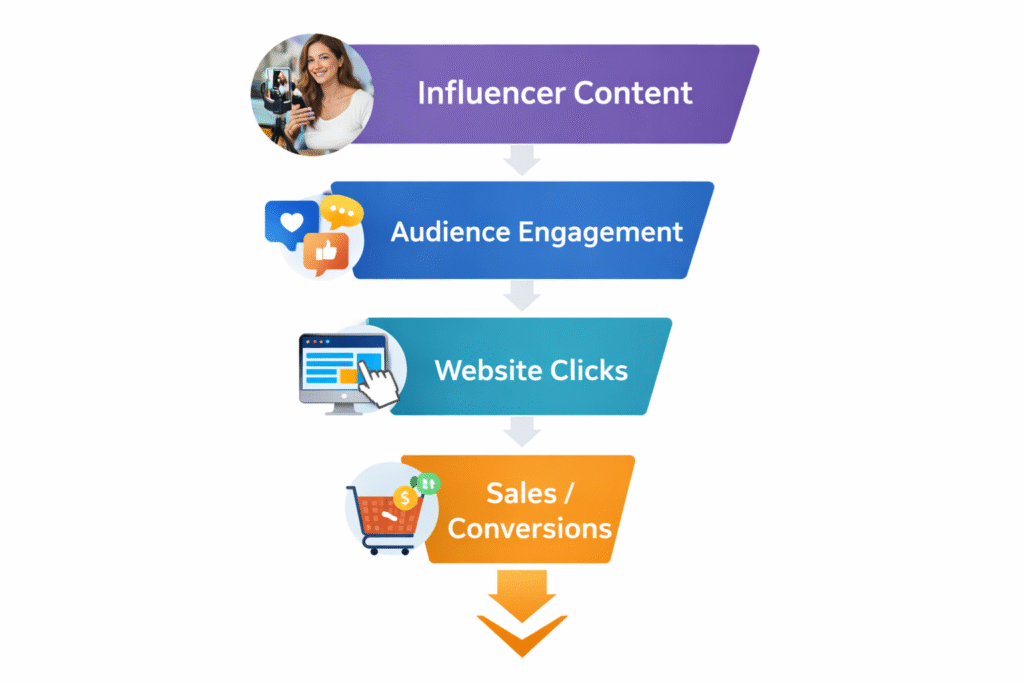
Another powerful way to apply influencer strategies to learn digital marketing is by analyzing influencer campaigns to understand marketing funnels. Influencer marketing naturally follows a funnel-based structure — from attracting attention to driving engagement and finally converting followers into customers. By breaking down these campaigns, learners can understand how real-world digital marketing funnels work in action.
A marketing funnel typically includes three main stages:
Awareness → Engagement → Conversion
Influencers often create awareness by introducing a brand or product through posts, stories, reels, or YouTube videos. Engagement happens when followers like, comment, share, save, or interact with polls and Q&A stickers. Conversion occurs when followers click affiliate links, use promo codes, sign up for newsletters, or make purchases. Studying this journey helps learners understand how content, trust, timing, and call-to-action (CTA) influence buying decisions.
By observing influencer-brand collaborations, you can learn:
- How influencers hook attention in the first 3–5 seconds
- How they build trust through storytelling and honest reviews
- How they position offers without sounding overly promotional
- How they drive urgency using limited-time deals and discounts
Real-World Example: Influencer Promoting a SaaS Tool
Imagine a tech influencer promoting a productivity SaaS platform.
- Awareness Stage: They post a video explaining a common productivity problem
- Engagement Stage: They show how the tool solves the problem with demos
- Conversion Stage: They share a referral link with a free trial offer
A learner studying this campaign can understand user pain points, product positioning, content flow, persuasion techniques, and conversion triggers — all essential components of influencer strategies to learn digital marketing.
Influencer Funnel Breakdown Table
| Funnel Stage | Influencer Action | Audience Behavior | Marketing Skill Learned |
| Awareness | Brand intro post/video | Views & impressions | Brand positioning |
| Engagement | Stories, polls, comments | Likes, shares, saves | Community engagement |
| Consideration | Tutorials, reviews | Link clicks, DMs | Product education |
| Conversion | Discount codes, affiliate links | Purchases, sign-ups | Sales & performance marketing |
| Retention | Follow-up content | Repeat engagement | Customer loyalty |
How to Practice Funnel Analysis as a Learner
To effectively use influencer strategies to learn digital marketing, turn campaign observation into a structured learning habit:
- Track influencer posts across a campaign timeline
- Monitor engagement growth after each content drop
- Identify which content type drives the most conversions
- Compare different influencer styles and results
- Replicate the funnel structure in your own mock campaigns
This method helps you understand how brands move users from discovery to action, a critical skill for careers in performance marketing, social media marketing, paid ads, and growth strategy.
By consistently analyzing influencer funnels, learners gain practical knowledge of lead nurturing, retargeting, CTA optimization, conversion rate improvement, and ROI tracking — skills that employers highly value in digital marketing professionals.
Strategy #3 — Create Practice Campaigns Using Influencer Content
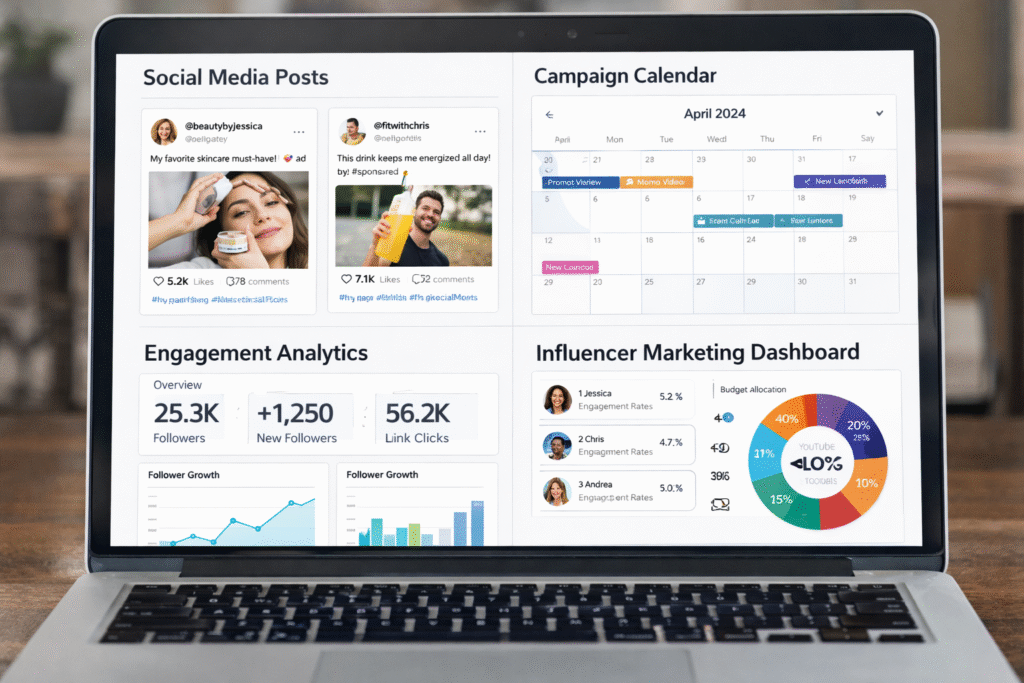
One of the most effective influencer strategies to learn digital marketing is to create practice campaigns inspired by influencer content. Instead of only watching influencers, you actively reverse-engineer their campaigns, rebuild them as mock projects, and apply the same strategies in your own learning experiments. This transforms passive observation into hands-on digital marketing training.
Influencers already test what works — from content formats and captions to CTAs and promotional angles. By studying their posts, you can break down why a campaign performed well, what type of storytelling was used, how engagement was encouraged, and how conversions were driven. Then, you can recreate a similar campaign structure for a dummy brand, personal project, or portfolio case study.
For example, if an influencer promotes a fitness product through Instagram Reels:
- Analyze the video hook and storytelling style
- Study the caption, hashtags, and CTA placement
- Observe the posting time and engagement pattern
- Track how the influencer guides followers to a purchase link
Next, create your own mock campaign using the same framework — but for a different product or niche. This practice builds skills in content strategy, copywriting, social media planning, funnel design, and campaign execution, all core elements of influencer strategies to learn digital marketing.
Example: Student Practice Campaign Case Study
A digital marketing student analyzes a beauty influencer’s product launch campaign. They recreate a similar campaign for an imaginary skincare brand:
- Create a 3-post Instagram content series
- Write influencer-style captions with hooks and CTAs
- Design a landing page mockup
- Track expected engagement and conversion metrics
By documenting this process, the student builds a portfolio-ready case study that demonstrates real marketing thinking — a major advantage when applying for jobs or freelance clients.
How Practice Campaigns Improve Your Skills
| Skill Developed | How Influencer Campaigns Help |
| Content Strategy | Learn what formats attract attention |
| Copywriting | Study influencer tone and persuasion |
| Funnel Design | Understand awareness-to-conversion flow |
| Analytics Thinking | Predict engagement & performance |
| Portfolio Building | Showcase real campaign simulations |
Step-by-Step Guide to Create Practice Campaigns
- Choose a high-performing influencer campaign
- Break down its content, visuals, hooks, and CTAs
- Identify the target audience and marketing goal
- Recreate the campaign for a different brand or niche
- Document the strategy, execution plan, and expected results
- Add it to your digital marketing portfolio
If you want to showcase your work professionally, explore
👉 How to build a digital marketing portfolio
Why This Strategy Works
This method accelerates learning because it allows you to:
- Apply influencer strategies to learn digital marketing in real scenarios
- Practice campaign planning without spending real ad budgets
- Build confidence through trial, error, and optimization
- Create tangible proof of skills for recruiters and clients
Instead of memorizing marketing concepts, you learn by doing — which leads to deeper understanding and faster career growth.
Strategy #4 — Collaborate with Micro-Influencers to Learn Outreach Skills
One of the most practical influencer strategies to learn digital marketing is to collaborate with micro-influencers. Micro-influencers typically have 1,000 to 50,000 followers, but their audiences are highly engaged and niche-focused — making them ideal learning partners for beginners and aspiring marketers.
Working with micro-influencers helps you learn one of the most important real-world marketing skills: outreach and relationship building. In digital marketing, success often depends on how well you can communicate with creators, negotiate partnerships, pitch value, and manage collaborations. By reaching out to micro-influencers, you gain hands-on experience in influencer communication, campaign planning, and brand-influencer coordination.
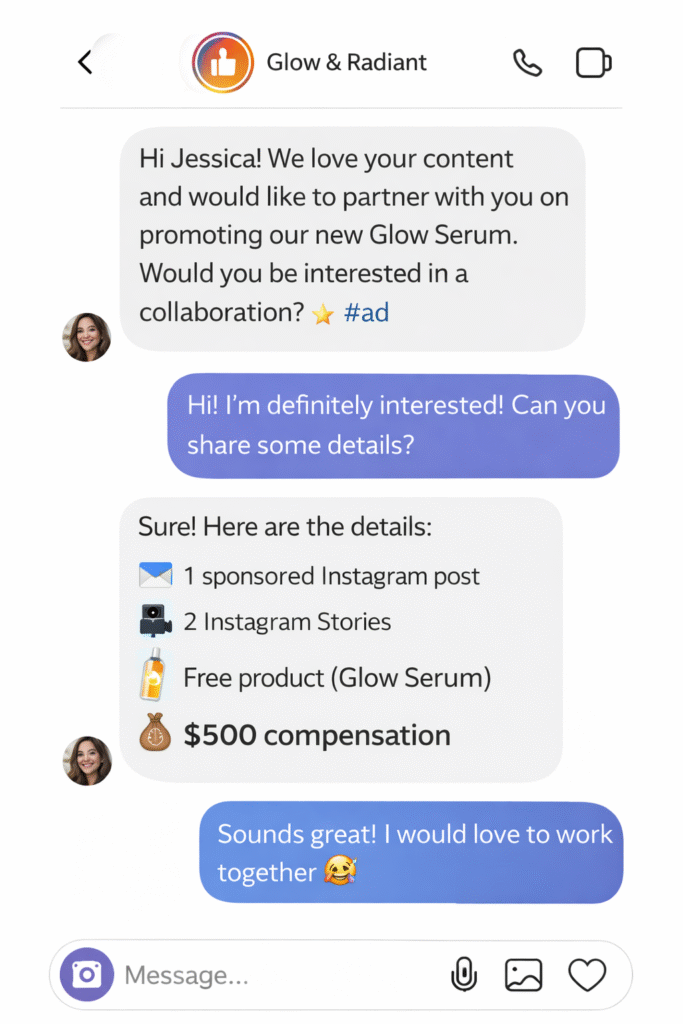
Unlike big influencers, micro-influencers are more approachable and open to collaborations — especially if you offer value such as free products, content exposure, portfolio features, or cross-promotion. This makes them perfect for practicing influencer strategies to learn digital marketing without requiring large budgets.
What You Learn by Collaborating with Micro-Influencers
| Skill Gained | How Collaboration Helps |
| Outreach & Pitching | Writing professional influencer messages |
| Negotiation | Discussing deliverables & expectations |
| Campaign Planning | Structuring influencer content timelines |
| Communication | Managing feedback & revisions |
| Influencer Marketing Strategy | Executing real collaborations |
Example: Beginner Collaboration Scenario
A digital marketing student wants to promote a small local clothing brand. They reach out to three micro-influencers on Instagram and offer:
- Free clothing samples
- Social media shoutouts
- A feature in a campaign portfolio
The student manages the collaboration by:
- Sharing content guidelines
- Tracking post performance
- Measuring engagement, clicks, and brand reach
Through this process, they gain real experience using influencer strategies to learn digital marketing, including campaign execution and performance analysis.
Sample Micro-Influencer Outreach Message Template
Subject / DM Example:
“Hi [Name], I love your content about [niche]. I’m working on a small digital marketing project and would love to collaborate with you. We can offer [benefit/value] in exchange for a creative post or story. Let me know if you’d be interested — I’d love to share more details!”
This helps learners practice professional communication, personalization, value-based pitching, and influencer negotiation — all essential marketing skills.
Why Micro-Influencers Are Perfect for Learning
- Lower collaboration cost
- Higher engagement rates than big influencers
- Easier to build long-term partnerships
- Faster campaign turnaround
- Realistic learning environment
By consistently working with micro-influencers, learners improve their campaign management, influencer research, outreach systems, reporting skills, and performance tracking — strengthening their ability to apply influencer strategies to learn digital marketing in real projects.
Strategy #5 — Track Influencer Analytics to Learn Performance Marketing
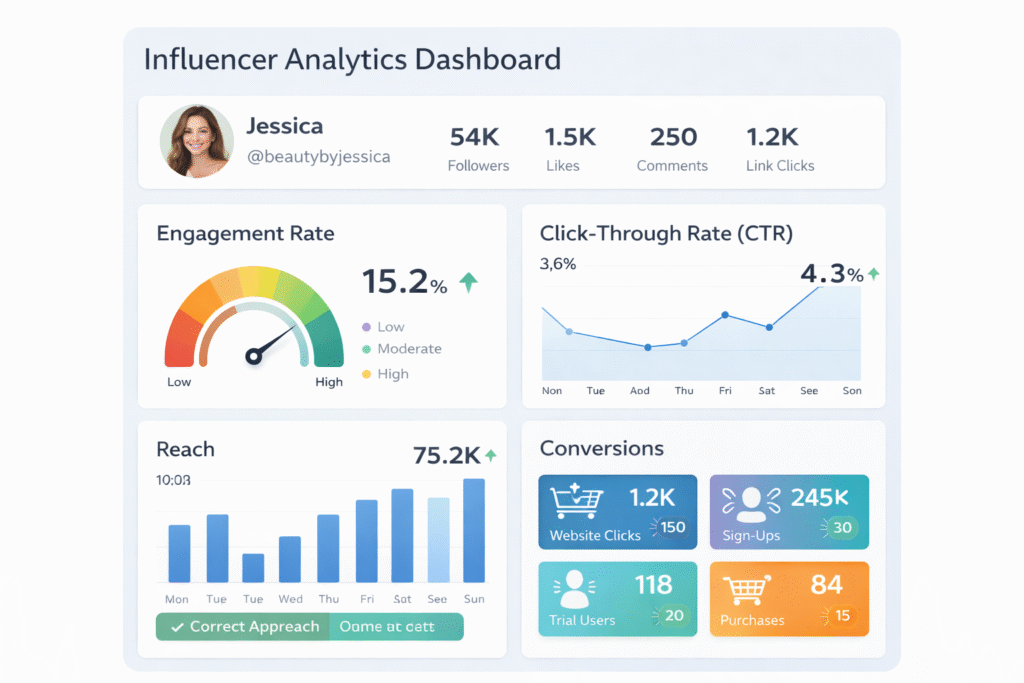
One of the most data-driven influencer strategies to learn digital marketing is to track influencer analytics and campaign performance. While content and creativity are important, real success in digital marketing depends on measuring results, interpreting data, and optimizing strategies based on performance metrics. Influencer campaigns provide an excellent real-world environment to practice these skills.
When influencers post sponsored content, every action — views, likes, comments, saves, clicks, and conversions — becomes a learning opportunity. By analyzing this data, learners understand what drives engagement, what influences buying decisions, and how to improve ROI. This process builds strong foundations in performance marketing, analytics, growth optimization, and reporting.
To apply influencer strategies to learn digital marketing, start by monitoring these key metrics:
- Engagement Rate — How actively the audience interacts
- Reach & Impressions — How many people saw the content
- Click-Through Rate (CTR) — How many clicked the link
- Conversion Rate — How many completed the desired action
- Cost Per Result — How much was spent per lead or sale
These insights help learners understand audience behavior, campaign effectiveness, and content performance — turning creativity into measurable impact.
Key Influencer Metrics & What They Teach
| Metric | What It Measures | What You Learn | Tool Example |
| Engagement Rate | Likes, comments, shares | Content quality & relevance | Instagram Insights |
| Reach | Unique viewers | Brand awareness impact | Meta Business Suite |
| CTR | Link clicks | CTA effectiveness | Bitly, Google Analytics |
| Conversions | Purchases/sign-ups | Funnel success | Google Analytics |
| ROI | Revenue vs spend | Campaign profitability | Excel, Looker Studio |
Real Example: Tracking an Influencer Campaign
A small brand partners with a fitness influencer to promote a supplement:
- The influencer posts a Reel with a promo code
- Learners track views, saves, comments, and clicks
- They compare performance with other influencer posts
- They identify which content format drives the highest conversions
From this, learners gain real-world knowledge about ad creatives, influencer performance benchmarking, audience targeting, and campaign optimization — core pillars of influencer strategies to learn digital marketing.
Tools to Track Influencer Performance
- Instagram & TikTok Insights
- YouTube Studio Analytics
- Google Analytics
- Bitly (Link Tracking)
- Hootsuite & Sprout Social
- Influencer platforms like Upfluence or Modash
By consistently reviewing campaign analytics, learners develop data-driven decision-making skills, one of the most in-demand abilities in modern marketing careers.
Why This Strategy Matters
Tracking analytics teaches you to:
- Prove campaign impact with real numbers
- Identify high-performing influencer content
- Optimize posting times, formats, and CTAs
- Improve conversion rates and reduce wasted spend
- Master performance-focused influencer strategies to learn digital marketing
Instead of guessing what works, you learn to measure, test, analyze, and scale — the mindset of successful digital marketers.
Strategy #6 — Learn Content Marketing by Studying Influencer Storytelling
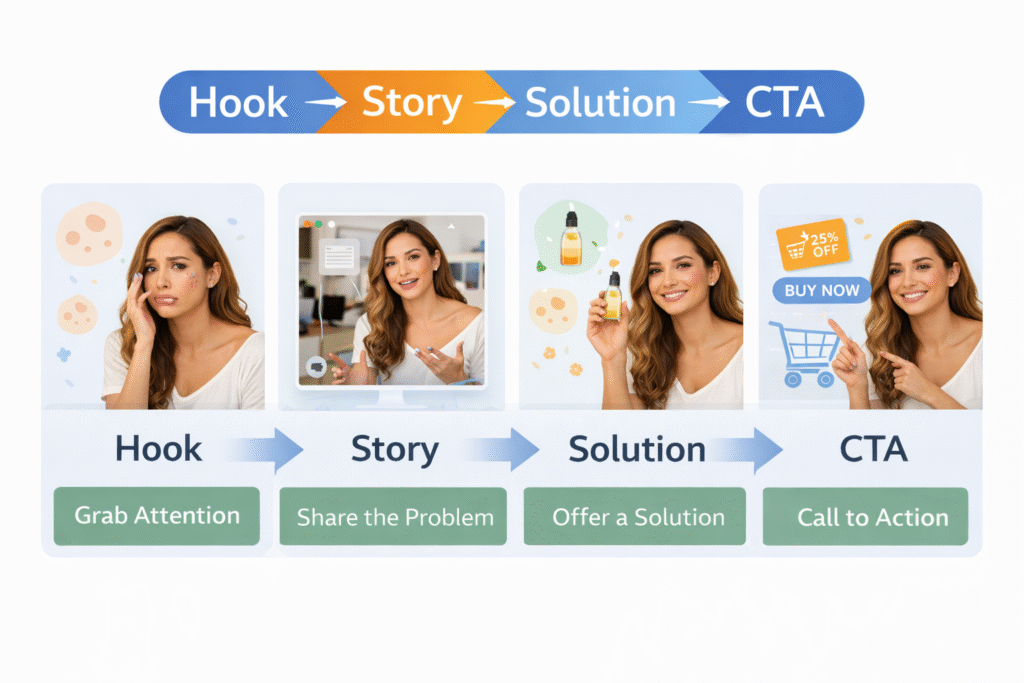
One of the most creative influencer strategies to learn digital marketing is to study how influencers use storytelling to capture attention, build trust, and drive action. Influencers are not just content creators — they are skilled storytellers who know how to emotionally connect with their audience and turn simple posts into powerful marketing messages.
In digital marketing, storytelling plays a major role in brand recall, engagement, and conversions. Influencers often structure their content around relatable experiences, problem–solution narratives, behind-the-scenes moments, and personal success stories. By analyzing these patterns, learners can understand how to craft compelling content that resonates with real audiences.
For example, a skincare influencer may not just promote a product — they might:
- Share a personal skin journey
- Highlight a problem they faced
- Show the transformation after using the product
- End with a soft CTA encouraging followers to try it
This storytelling format teaches learners how to hook attention, build emotional engagement, present value, and inspire action — all essential content marketing skills tied to influencer strategies to learn digital marketing.
Key Storytelling Techniques Used by Influencers
| Technique | How Influencers Use It | Marketing Skill Learned |
| Emotional Hook | Personal struggles & wins | Audience connection |
| Problem–Solution | Highlight pain points | Persuasive copywriting |
| Visual Storytelling | Reels, carousels, vlogs | Creative content planning |
| Social Proof | Reviews & testimonials | Trust-building |
| Call-to-Action (CTA) | Swipe up, link in bio | Conversion optimization |
Example: Breakdown of a Viral Influencer Post
A travel influencer posts a viral Reel titled:
“How I traveled on a budget — full breakdown.”
Why it worked:
- Strong hook in the first 3 seconds
- Relatable problem (budget travel)
- Step-by-step solution
- Engaging visual transitions
- Clear CTA encouraging followers to save and share
By breaking down viral content like this, learners understand why content performs well, how storytelling drives engagement, and how to apply the same structure to their own marketing campaigns.
How to Practice Storytelling Using Influencer Content
To effectively apply influencer strategies to learn digital marketing, learners can:
- Rewrite influencer captions into their own brand voice
- Create mock Reels using influencer storytelling frameworks
- Analyze hooks, transitions, emotional triggers, and CTAs
- Practice writing story-based ad copy and social media posts
If you want to master this skill further, explore
👉 Content marketing strategies that convert
Why Influencer Storytelling Is a Powerful Learning Tool
Studying influencer storytelling helps learners:
- Improve content writing and scriptwriting
- Understand emotional marketing psychology
- Create more engaging ads and social media posts
- Build stronger brand narratives
- Enhance creativity using proven influencer strategies to learn digital marketing
This approach turns everyday scrolling into a content marketing masterclass, helping learners create impactful, story-driven campaigns that stand out in crowded digital spaces.
Strategy #7 — Build a Personal Brand by Applying Influencer Techniques
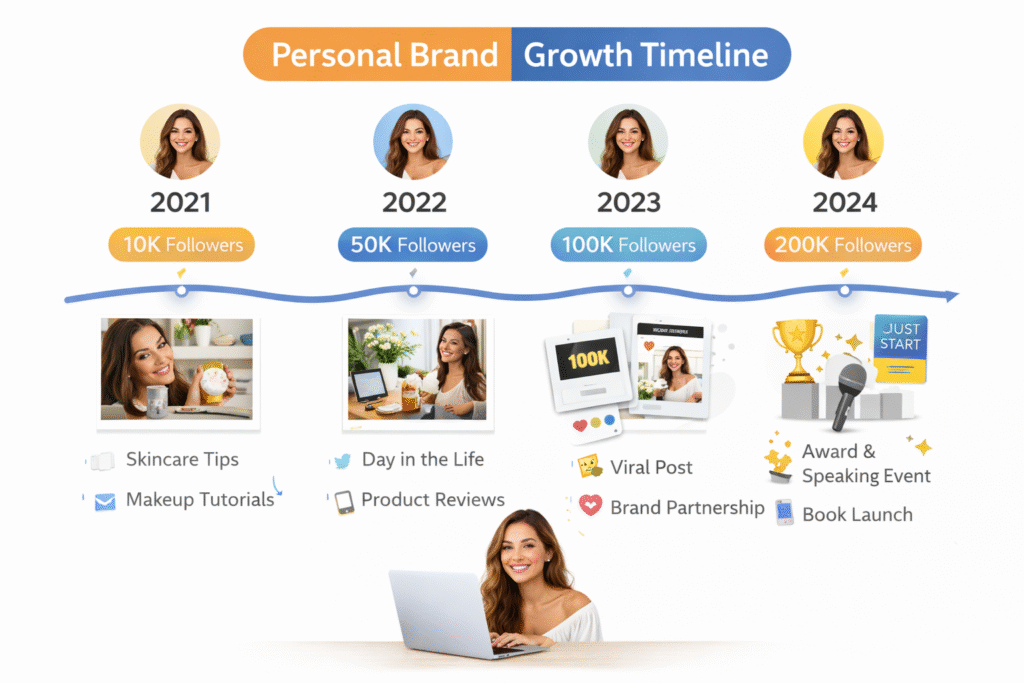
The final and most impactful of all influencer strategies to learn digital marketing is to apply influencer techniques to build your own personal brand. Instead of only learning from influencers, you become one, using the same branding, content, and audience engagement methods to grow your authority in digital marketing.
Influencers succeed because they focus on consistency, niche clarity, storytelling, authenticity, and value-driven content. When you adopt these principles, you don’t just learn digital marketing — you practice it in real time. This helps you build visibility, credibility, portfolio proof, and career opportunities.
Why Personal Branding Accelerates Digital Marketing Skills
Building a personal brand teaches you:
- Social media growth strategy
- Content planning & consistency
- Audience targeting & engagement
- Analytics tracking & optimization
- Positioning yourself as an authority
These skills are core outcomes of influencer strategies to learn digital marketing, making personal branding a live practice lab.
Step-by-Step Guide to Building a Personal Brand Like an Influencer
1. Choose a Clear Niche
Focus on a specific area such as:
- Social Media Marketing
- SEO
- Performance Marketing
- Content Marketing
- AI Tools & Automation
2. Optimize Your Profile
- Clear bio (who you help + what you offer)
- Professional profile photo
- Portfolio or website link
- Consistent visual theme
3. Create Influencer-Style Content
- Educational carousels
- Short-form videos (Reels/Shorts)
- Case studies & breakdowns
- Tips, trends, and tutorials
4. Stay Consistent & Track Growth
- Post 3–5 times per week
- Track engagement, reach, saves, and clicks
- Improve hooks, captions, and formats over time
Real Case Study: Student Building a Personal Brand
A digital marketing student starts posting:
- Daily Instagram tips on marketing
- Weekly campaign breakdowns
- Short educational YouTube videos
After 6 months:
- Gains 10K+ followers
- Receives internship offers
- Starts freelancing and earning from clients
By applying influencer strategies to learn digital marketing, the student turns learning into real-world career growth.
Key Influencer Techniques You Should Apply
| Influencer Technique | How You Use It | Skill You Build |
| Personal Branding | Build authority | Brand positioning |
| Content Consistency | Grow audience | Social media strategy |
| Storytelling | Engage followers | Content marketing |
| Community Interaction | Build trust | Audience management |
| Analytics Tracking | Improve performance | Data-driven marketing |
Why This Strategy Works Best
This strategy allows you to:
- Learn digital marketing while building your online presence
- Create real proof of skills instead of only certificates
- Attract clients, recruiters, and collaborations
- Master advanced influencer strategies to learn digital marketing through hands-on execution
Instead of waiting for opportunities, you become your own case study — showing the world what you can do.
Common Mistakes When Using Influencer Strategies to Learn Digital Marketing
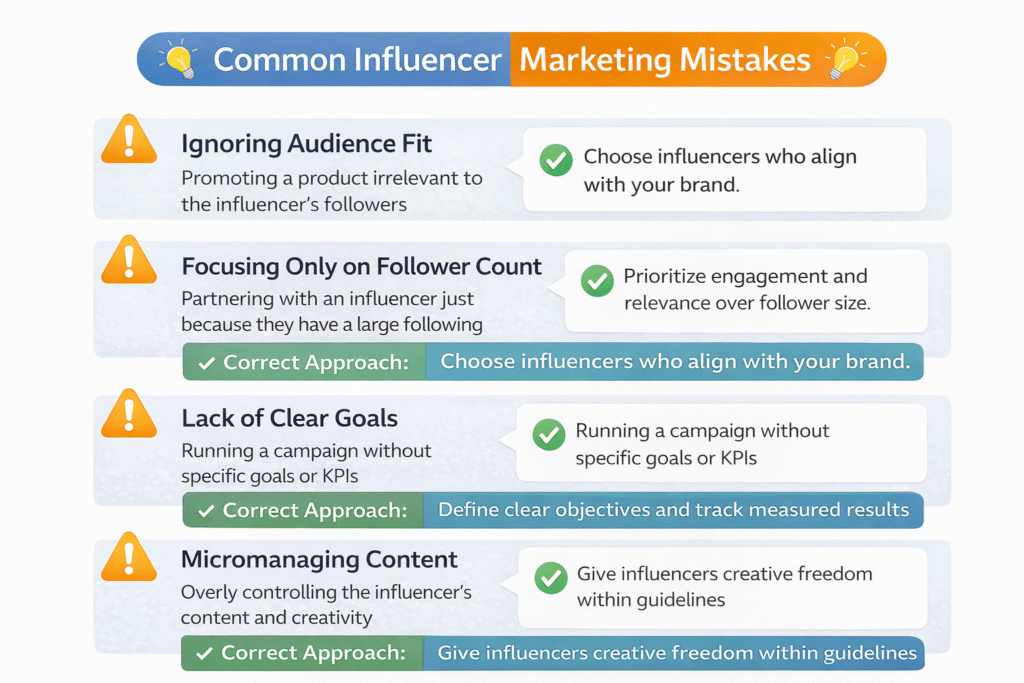
While influencer strategies to learn digital marketing can accelerate your skills, many learners make avoidable mistakes that slow down progress or reduce learning impact. Understanding these pitfalls will help you use influencer-based learning more effectively and turn insights into real, career-ready skills.
1. Blindly Copying Influencers Without Understanding Strategy
A common mistake is imitating influencer content without analyzing why it works. Simply copying captions, video styles, or trends won’t help you grow. Instead, focus on:
- The goal behind the content
- The target audience
- The hook, storytelling style, and CTA
- The engagement and conversion logic
True learning comes from strategy breakdown, not surface-level imitation.
2. Treating Influencer Content as Entertainment, Not Education
Many learners scroll influencer posts casually instead of using them as a learning resource. To make the most of influencer strategies to learn digital marketing, shift your mindset:
- Save high-performing posts
- Analyze engagement patterns
- Track growth trends
- Take notes on campaign structure
Turn scrolling into active marketing research.
3. Ignoring Analytics and Performance Metrics
Creativity is important, but data drives digital marketing success. Some learners focus only on visuals and storytelling while ignoring:
- Engagement rate
- Reach and impressions
- Click-through rate (CTR)
- Conversion rate
- ROI and campaign impact
Without analytics, you miss the chance to optimize, test, and improve — a core element of influencer strategies to learn digital marketing.
4. Following Too Many Influencers Without a Clear Niche
Another mistake is following random influencers across unrelated topics, which leads to scattered learning. Instead:
- Choose a specific niche (SEO, ads, content, social media, branding)
- Follow influencers aligned with your career goals
- Study trends within a focused category
A targeted approach leads to deeper expertise and faster mastery.
5. Not Applying What You Learn in Real Practice
Watching influencer campaigns without practicing is like reading about fitness without exercising. Learners often consume content but never apply it.
To fix this:
- Create mock influencer campaigns
- Build a personal brand
- Collaborate with micro-influencers
- Document practice projects in your portfolio.
Execution is what transforms influencer strategies to learn digital marketing into real skills.
6. Expecting Instant Results Instead of Long-Term Growth
Digital marketing and influencer learning take time. Many learners quit early when they don’t see quick results. Remember:
- Skills grow through consistent practice
- Influencer strategies work best with long-term observation and testing
- Growth happens through iteration, feedback, and improvement
Patience is a hidden superpower in marketing success.
7. Ignoring Authenticity and Trust Factors
Influencer marketing thrives on authenticity. If learners focus only on sales tactics and ignore trust-building, their campaigns feel forced. Study how influencers:
- Maintain honesty
- Build community
- Share personal experiences
- Engage naturally with followers
Trust is a major driver of engagement and conversions.
8. Overlooking Ethical Marketing Practices
Some learners copy misleading tactics, fake urgency, or exaggerated claims. Ethical mistakes can damage credibility and brand reputation. Always prioritize:
- Honest communication
- Transparent promotions
- Responsible marketing practices
Strong ethics build long-term authority in influencer strategies to learn digital marketing.
9. Not Documenting Learnings for Portfolio & Career Use
Many learners fail to document campaign insights, analytics results, and strategy breakdowns. Without documentation, you lose valuable proof of skills.
Build a portfolio by showcasing:
- Influencer campaign analysis
- Mock projects
- Outreach examples
- Performance reports
This turns learning into career-ready evidence.
10. Treating Influencer Learning as a Shortcut Instead of a Skill-Building System
Influencer-based learning is powerful — but it’s not a magic shortcut. The real value lies in:
- Strategic observation
- Practical execution
- Performance tracking
- Continuous improvement
When used correctly, influencer strategies to learn digital marketing become a structured system for long-term mastery, not a temporary trend.
Tools & Platforms to Support Influencer-Based Learning
To effectively apply influencer strategies to learn digital marketing, you need the right tools and platforms to research influencers, analyze performance, track trends, manage campaigns, and measure results. These tools help transform influencer-based learning from casual observation into a structured, data-driven skill-building system.
By using the right platforms, learners can gain deeper insights into content performance, audience behavior, engagement patterns, campaign ROI, and influencer credibility — all essential for mastering real-world digital marketing.
Social Media Platforms for Influencer Learning
These platforms serve as the foundation for applying influencer strategies to learn digital marketing:
- Instagram — Content trends, reels, influencer branding
- YouTube — Long-form content strategy, storytelling, SEO
- TikTok — Viral hooks, short-form content psychology
- LinkedIn — B2B marketing, personal branding, lead generation
- Twitter (X) — Marketing insights, trend monitoring, creator economy
Each platform teaches different marketing skills — from visual storytelling and audience engagement to content planning and platform optimization.
Best Tools for Influencer Marketing Learning
| Tool | Purpose | Skill You Learn | Best For |
| Instagram Insights | Track post engagement | Content optimization | Social media learning |
| YouTube Studio | Analyze video performance | Video marketing | YouTube creators |
| Google Analytics | Track traffic & conversions | Performance marketing | Funnel tracking |
| Bitly | Track link clicks | CTR analysis | Campaign tracking |
| Hootsuite | Manage & schedule posts | Content planning | Social media management |
| Sprout Social | Monitor engagement & reports | Audience analysis | Social listening |
| Modash | Find influencer profiles | Influencer research | Creator discovery |
| Upfluence | Influencer campaign management | Outreach & reporting | Collaboration tracking |
| Canva | Create influencer-style visuals | Content creation | Graphic design practice |
| Looker Studio | Visualize marketing data | Reporting & dashboards | Analytics learning |
How These Tools Support Influencer Strategies to Learn Digital Marketing
Using these tools helps learners:
- Track influencer campaign analytics in real time
- Identify top-performing content formats
- Study audience demographics and engagement behavior
- Monitor hashtag performance and content trends
- Measure ROI, CTR, conversion rate, and reach
- Create professional marketing reports and dashboards
This strengthens your ability to make data-backed decisions, a crucial skill when applying influencer strategies to learn digital marketing in real campaigns.
Example: Using Tools to Analyze an Influencer Campaign
A learner follows a tech influencer promoting an online course:
- Uses Instagram Insights to track engagement
- Uses Bitly to estimate link clicks
- Uses Google Analytics to analyze website traffic
- Builds a report using Looker Studio
From this, they learn how to measure influencer performance, identify high-converting content, and optimize campaign strategy — all core elements of influencer strategies to learn digital marketing.
Free vs Paid Tools Comparison
| Type | Examples | Cost | Ideal For |
| Free Tools | Instagram Insights, Google Analytics, Canva | ₹0 | Beginners & students |
| Paid Tools | Sprout Social, Upfluence, Modash | ₹3,000–₹15,000/month | Agencies & professionals |
Beginners can start with free tools and gradually upgrade as they gain confidence and experience using influencer strategies to learn digital marketing.
Recommended Resource for Beginners
If you’re starting out, explore
👉 Best digital marketing tools for beginners
This will help you choose the right platforms to enhance your influencer-based learning journey.
Future of Influencer Strategies in Digital Marketing
As the creator economy grows, influencer strategies to learn digital marketing will become even more powerful and relevant. Influencers are no longer just content creators — they are becoming media brands, educators, community leaders, and trend drivers. For learners, this means more opportunities to study real-time campaigns, new formats, and emerging marketing technologies.
One major trend shaping the future is the rise of AI-powered influencers and virtual creators. Brands are already experimenting with digital avatars, AI-generated content, and automated influencer campaigns. Studying these innovations helps learners understand automation, personalization, content scalability, and data-driven creative strategies — key future skills in digital marketing.
Another important shift is the growth of micro and nano-influencers. Instead of relying on celebrities, brands now prefer creators with smaller but highly engaged communities. This trend teaches learners the value of community marketing, trust-building, niche targeting, and authentic engagement, strengthening influencer strategies to learn digital marketing in a more realistic and accessible way.
Emerging Trends in Influencer Marketing
| Trend | What It Means | Skill You Learn |
| AI Influencers | Virtual creators & automation | Future marketing tech |
| Short-Form Video | Reels, Shorts, TikTok dominance | Viral content strategy |
| Community-Based Marketing | Focus on loyal audiences | Relationship building |
| Performance-Based Deals | Pay per click/sale | ROI & analytics |
| Creator Commerce | Influencers launching products | Branding & monetization |
Influencers are also becoming educators, sharing behind-the-scenes insights, campaign breakdowns, analytics reports, and growth strategies. This makes influencer content an even richer learning source for aspiring marketers.
In the future, those who master influencer strategies to learn digital marketing will have an edge in content marketing, social media, brand strategy, creator partnerships, growth marketing, and digital entrepreneurship.
Conclusion
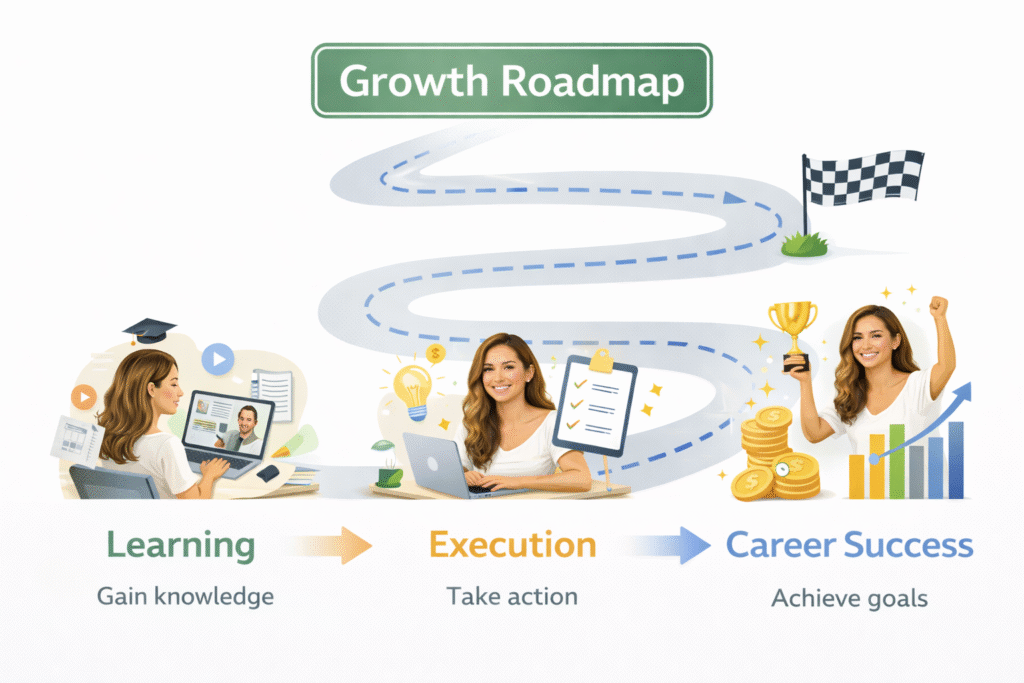
Influencer marketing is no longer just a promotional channel — it has become one of the smartest and fastest ways to build real digital marketing skills. By applying influencer strategies to learn digital marketing, learners can gain hands-on experience in content creation, analytics, campaign planning, storytelling, outreach, funnel optimization, and personal branding.
From following niche influencers and analyzing marketing funnels to creating practice campaigns, collaborating with micro-influencers, tracking analytics, and building a personal brand, each strategy helps bridge the gap between theory and real-world execution. Instead of only studying concepts, you learn by observing, testing, optimizing, and implementing strategies in real-time environments.
The biggest advantage of influencer strategies to learn digital marketing is practical exposure. You learn how audiences behave, how platforms evolve, what drives engagement, and what converts followers into customers. This builds confidence, creativity, and career-ready skills that employers and clients truly value.
Whether you are a student exploring digital marketing, a beginner starting from scratch, or a professional looking to upgrade your skills, influencer-based learning can help you learn faster, practice smarter, and grow stronger in the digital marketing field.
If applied consistently, these strategies can transform you from a learner into a skilled digital marketer who understands trends, data, content, and performance marketing in depth.
💡 Interested in learning more? Contact RKDMT – Raju Kumar Digital Marketer – Best Digital Marketing Training Institute
🔗 www.rajukumardigitalmarketing.com
📞 +91-7303933302, +91-9217057127
📧 rkdmt@rajukumardigitalmarketer.com
What are influencer strategies to learn digital marketing?
Influencer strategies to learn digital marketing involve studying influencer campaigns, content styles, analytics, and audience engagement techniques to gain real-world marketing skills faster than traditional learning methods.
How can beginners use influencer strategies to learn digital marketing?
Beginners can follow niche influencers, analyze their campaigns, track engagement metrics, recreate practice campaigns, and apply influencer storytelling techniques to build hands-on marketing experience.
Are influencer strategies effective for learning real digital marketing skills?
Yes. Influencer strategies provide real-time exposure to content marketing, social media growth, branding, funnel building, and performance analytics — making learning more practical and industry-relevant.
How long does it take to learn digital marketing through influencers?
It depends on consistency, but many learners can build foundational skills within 3–6 months by actively analyzing campaigns, practicing mock projects, and applying influencer strategies to learn digital marketing.
Do I need money to apply influencer strategies to learn digital marketing?
No. You can start for free by studying influencers, analyzing public analytics, creating practice campaigns, collaborating with micro-influencers, and building a personal brand organically.
Which platforms are best for influencer-based digital marketing learning?
Top platforms include Instagram (content & branding), YouTube (long-form & SEO), TikTok (viral trends), LinkedIn (B2B marketing), and Twitter/X (trend insights).
How do influencers help improve digital marketing skills?
Influencers teach skills like content creation, storytelling, audience psychology, engagement optimization, campaign planning, outreach, analytics tracking, and brand positioning through real-world execution.
Can influencer strategies help build a digital marketing career?
Yes. By applying influencer strategies to learn digital marketing, learners can build portfolios, gain freelancing opportunities, attract recruiters, start agencies, or grow as content creators and marketers.
What tools help analyze influencer marketing campaigns?
Popular tools include Instagram Insights, YouTube Studio, Google Analytics, Bitly, Hootsuite, Sprout Social, Modash, Upfluence, Canva, and Looker Studio for analytics and reporting.
Can influencer learning replace traditional digital marketing courses?
Influencer-based learning is highly practical, but the best results come from combining structured courses + influencer strategies to learn digital marketing + hands-on practice for a complete skill set.

Founder at Digital Marketing Marvel | Founder at RKDMT – Raju Kumar Digital Marketing Trainer | Best Digital Marketing Trainer in Delhi/NCR – Digiperform | Project Manager | 5+ years | Genius Study Abroad & Inlingua’s Digital Marketing Head | Learn Digital Marketing