


What are Different Types of Facebook Ads Campaign Objectives
If you’re running Facebook ads and not getting the results you expected, trust me—you’re not alone. In my 10+ years of experience as a Digital Marketing Trainer, I’ve seen one common mistake again and again: choosing the wrong campaign objective. Many people focus on creatives and budgets but ignore the foundation of Facebook ads—the objective itself.
Facebook (now Meta) Ads is one of the most powerful advertising platforms in the world, with over 3 billion monthly active users globally. It allows businesses to reach the right audience based on interests, behavior, location, and intent.
But here’s the truth—no matter how good your ad looks, it won’t perform well if the objective is wrong.
This is where understanding the Different Types of Facebook Ads Campaign Objectives becomes crucial. Each objective tells Facebook’s algorithm what result you want—awareness, traffic, leads, or sales. When your objective matches your business goal, Facebook automatically shows your ads to people most likely to take that action.
For example, a coaching institute looking for inquiries should not run a traffic campaign; a lead generation objective works far better.
Choosing the right objective saves money, improves performance, and helps you achieve real business results. In this blog, I’ll break down the Different Types of Facebook Ads Campaign Objectives in a simple and practical way so you can apply them confidently and grow faster.
What Are Facebook Ads Campaign Objectives?
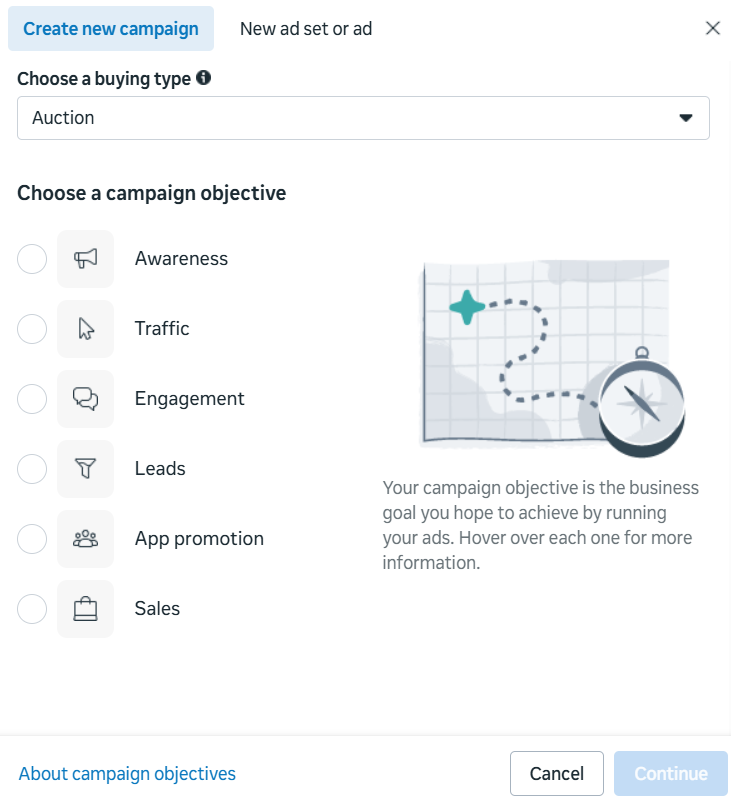
In simple words, Facebook Ads campaign objectives tell Facebook what result you want from your ads. When you create a campaign inside Facebook Ads Manager, the first thing Facebook asks you to choose is the objective. This choice guides Facebook’s algorithm on who to show your ads to and how to optimize them.
For example, if your objective is Traffic, Facebook will show your ads to people who are more likely to click links. If your objective is Leads, Facebook will target users who often fill forms. This is why understanding the Different Types of Facebook Ads Campaign Objectives is so important—Facebook does exactly what you ask it to do.
Your campaign objective directly impacts ad delivery, optimization, and cost. According to Meta’s own data, ads optimized for conversions can deliver up to 30–40% better results once enough data is collected. On the other hand, choosing the wrong objective can increase your cost per result and waste budget. I’ve personally seen businesses spend thousands of rupees on traffic campaigns and get zero leads—only because the objective was wrong.
Many beginners also confuse campaign objectives with ad formats. These two are completely different. A campaign objective defines the goal (like leads or sales), while ad formats are how your ad looks—image, video, carousel, or reel. You can run the same video ad under different objectives, but the result will change based on the objective selected.
Once you clearly understand this difference, choosing among the Different Types of Facebook Ads Campaign Objectives becomes much easier and more strategic.
Also Read: Facebook Ads Timing: Best Times to Run Successful Campaigns
Categories of Facebook Ads Campaign Objectives
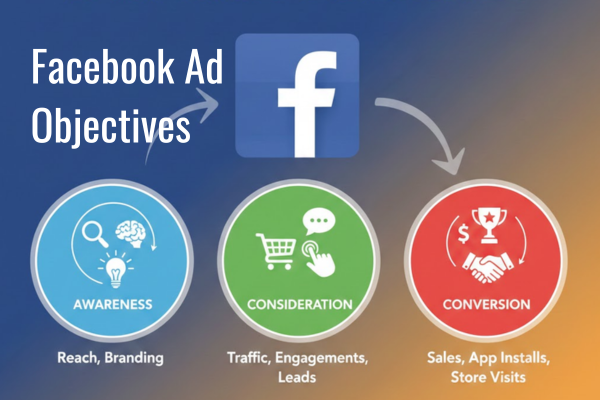
To make advertising simple and result-oriented, Facebook has divided its ads into three main categories. In my experience, once you understand these categories clearly, selecting from the Different Types of Facebook Ads Campaign Objectives becomes very easy and logical.
Awareness Objectives
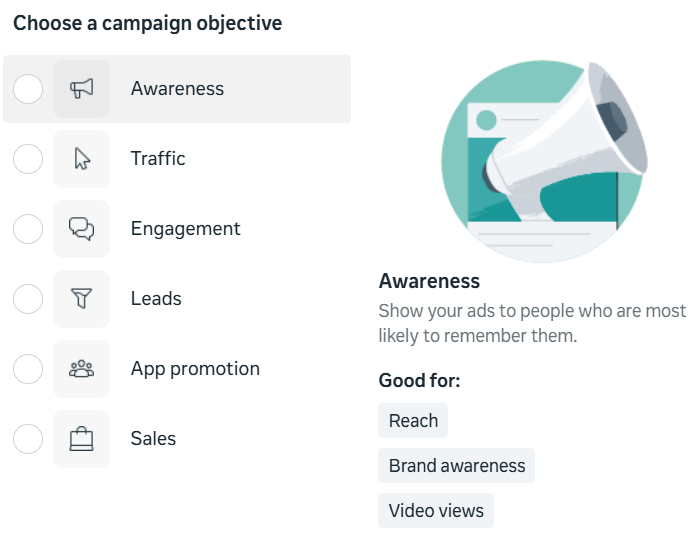
Awareness objectives are used when your goal is to reach more people and build brand visibility. These campaigns focus on showing your ads to users who are most likely to remember your brand.
For example, if you’re launching a new institute, app, or product, awareness campaigns help you get noticed. Meta data shows that brand awareness campaigns can increase ad recall by up to 60% when used at the right stage.
Consideration Objectives
Consideration objectives are meant for people who already know about you but haven’t taken action yet. These campaigns aim to drive engagement, traffic, video views, messages, or leads.
Most service-based businesses, coaching institutes, and consultants start seeing better results from this stage. This is where many of the Different Types of Facebook Ads Campaign Objectives are actively used to build trust and interest.
Conversion Objectives
Conversion objectives are designed for actual business results like purchases, form submissions, or bookings. Facebook shows these ads to users who are more likely to convert based on past behavior.
According to Meta, conversion-optimized campaigns can reduce cost per action by up to 25% once enough data is available.
Funnel-Based Approach (Top, Middle, Bottom)
Facebook objectives work best when used as a sales funnel:
- Top of Funnel (Awareness) – Reach new people
- Middle of Funnel (Consideration) – Educate and engage
- Bottom of Funnel (Conversion) – Drive sales or leads
This funnel-based strategy ensures you’re using the Different Types of Facebook Ads Campaign Objectives in the right order, not randomly. When followed properly, it delivers consistent and scalable results.
Awareness Campaign Objectives
Awareness campaigns are used when your primary goal is visibility, recall, and reach, not immediate sales. In my 10+ years of running Facebook ads, I’ve seen awareness campaigns play a critical role in building strong brands—especially in the early stage. These objectives sit at the top of the funnel in the Different Types of Facebook Ads Campaign Objectives.
Brand Awareness
The Brand Awareness objective focuses on showing your ads to people who are more likely to remember your brand. Facebook uses ad recall lift data to optimize delivery.
For example, if you’re launching a new digital marketing institute or online course, brand awareness helps people recognize your name before they ever click or inquire. According to Meta, brand awareness campaigns can improve brand recall by up to 70% when run consistently.
Reach
The Reach objective is all about showing your ad to the maximum number of people within your selected audience. It also allows frequency control, so you can decide how often a person sees your ad.
This objective works best when you want to announce an offer, event, or workshop to a wide audience in a short time.
When to Use Awareness Campaigns
You should use awareness campaigns when:
- Your brand is new in the market
- You are launching a new service or product
- You want to enter a new city or audience segment
- Your business has low visibility but strong potential
Running conversion ads without awareness is one of the biggest mistakes I see beginners make.
Best Use Cases & Examples
- A new coaching institute running brand awareness ads before lead generation
- A local business promoting its opening in a new area
- An event or seminar announcement targeting a large audience
When used correctly, awareness campaigns create a strong base, making other Different Types of Facebook Ads Campaign Objectives perform better and cost less in the long run.
Consideration Campaign Objectives
Consideration campaign objectives are used when your audience knows about you but is not ready to buy yet. This stage focuses on building interest, trust, and interaction. In my experience, most businesses get their best learning and data from this stage before moving to sales. That’s why consideration plays a major role in the Different Types of Facebook Ads Campaign Objectives.
Traffic
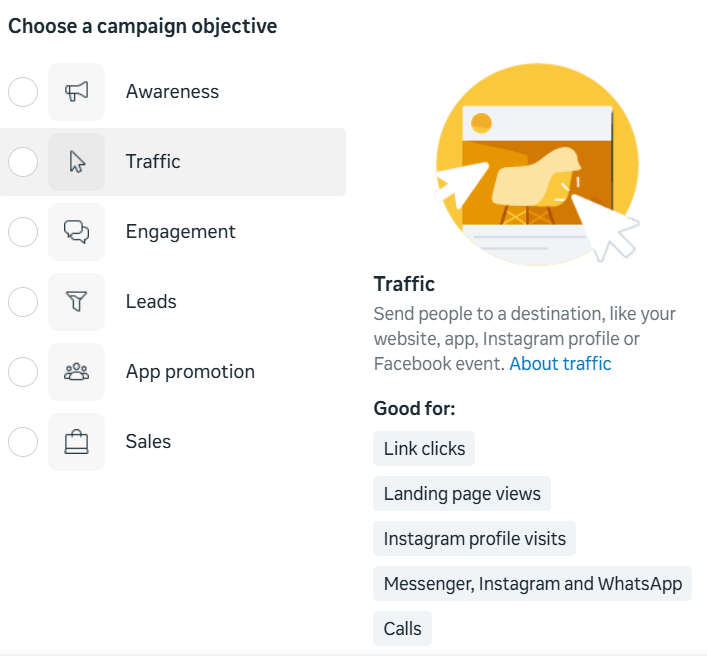
The Traffic objective sends people to your website, landing page, or blog. Facebook shows ads to users who are more likely to click links.
Example: If you’re promoting a blog, course details page, or free resource, traffic campaigns work well. However, traffic alone does not guarantee leads—this is something I always tell my students.
Engagement
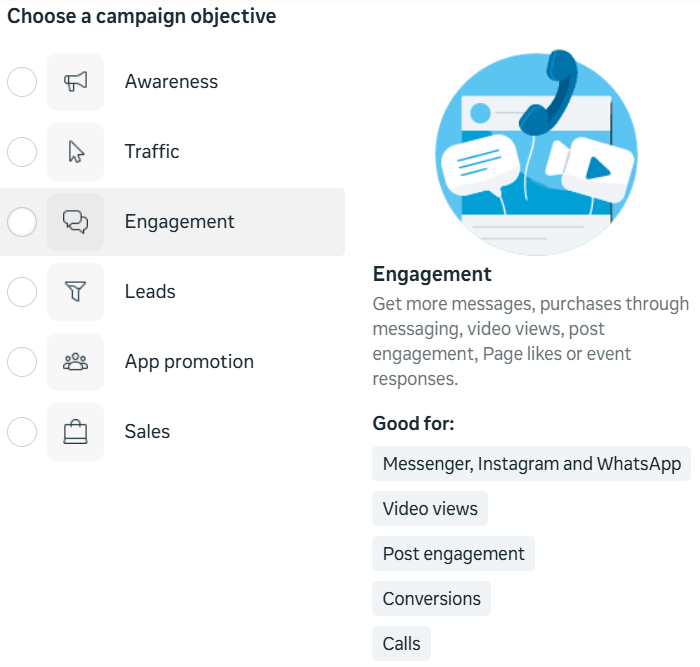
The Engagement objective increases likes, comments, shares, and post interactions.
This is useful for building social proof. Posts with higher engagement often get 20–30% lower CPM compared to cold ads because Facebook sees them as valuable content.
App Installs
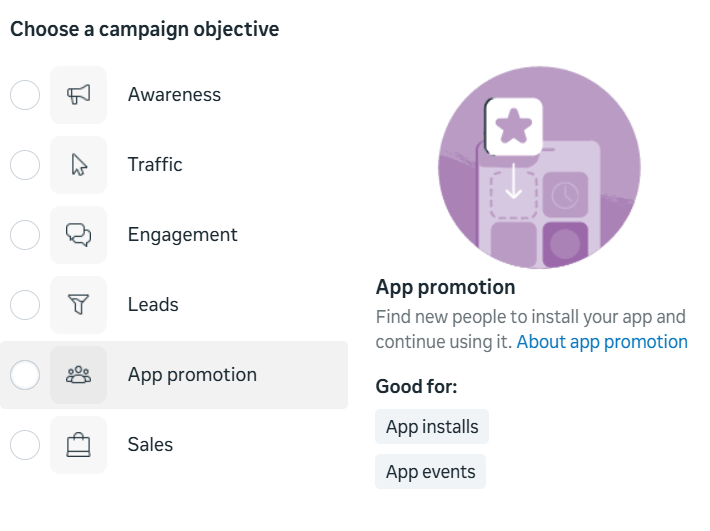
The App Installs objective is designed to get more app downloads from the Play Store or App Store.
Facebook targets users who frequently install apps, making this objective ideal for startups and mobile-based businesses.
Video Views
Video Views campaigns focus on showing your video ads to people who are more likely to watch them.
According to Meta, users who watch 50% or more of a video are far more likely to convert later. I often use video viewers as a warm audience for retargeting.
Lead Generation
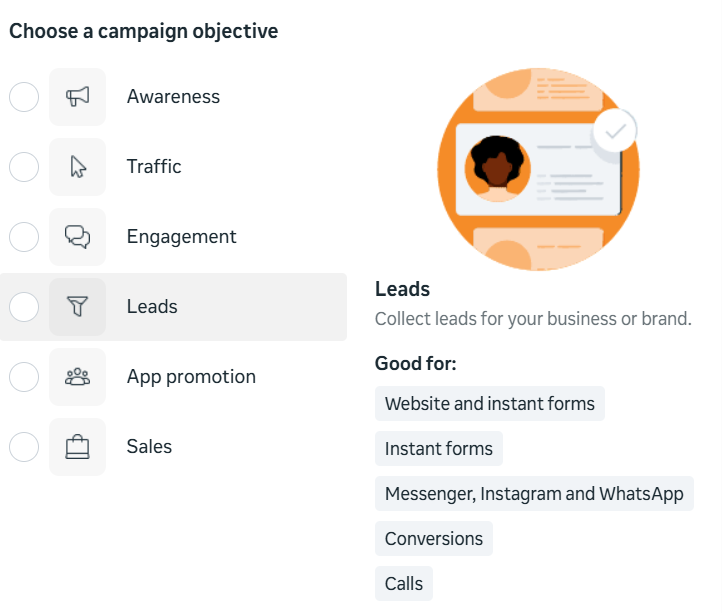
The Lead Generation objective allows users to submit their details through Facebook’s instant forms.
This works extremely well for coaching institutes, service providers, and consultants. In many cases, I’ve seen lead costs drop by 30–40% compared to website forms.
Messages
The Messages objective encourages users to start a conversation on WhatsApp, Messenger, or Instagram DM.
This is perfect for businesses that rely on direct communication, quick responses, and personalized selling.
When Consideration Campaigns Work Best
Consideration campaigns work best when:
- You want to warm up your audience
- Your product or service needs explanation
- You are collecting leads before selling
- You plan to retarget users later
Used correctly, consideration objectives prepare your audience for conversions and make the Different Types of Facebook Ads Campaign Objectives work together as a complete system.
Also Read: How to Optimize Facebook Lead Ads for Better Quality and Higher Volume
Conversion Campaign Objectives
Conversion campaign objectives are used when your goal is real business results—not just clicks or engagement, but actions that directly impact revenue. In my 10+ years of experience, this is the stage where Facebook ads start giving measurable ROI. Among the Different Types of Facebook Ads Campaign Objectives, conversion objectives sit at the bottom of the funnel.
Conversions
The Conversions objective is used to track and optimize actions like form submissions, registrations, bookings, or sign-ups on your website. Facebook uses Pixel or Conversions API data to find users who are more likely to complete these actions.
Once your campaign gathers enough data (usually 50+ conversions per week), Meta reports up to 25–35% lower cost per conversion.
Sales (Website Purchases)
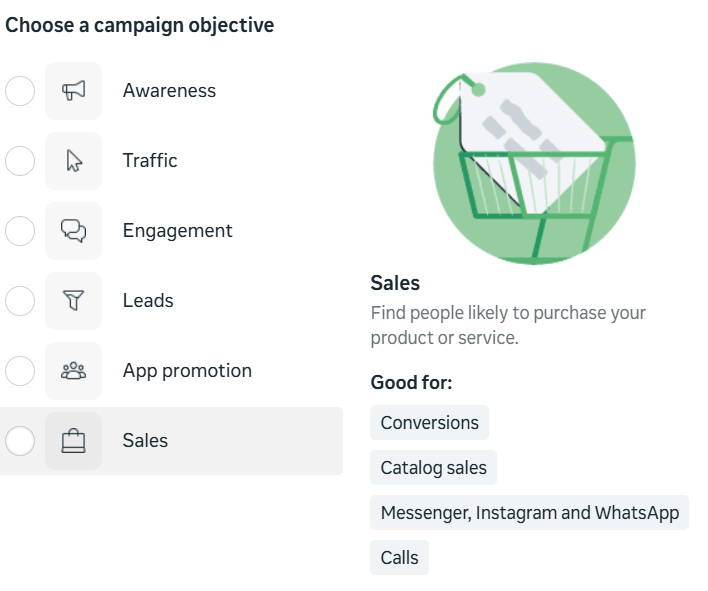
This objective is mainly used by e-commerce businesses to drive online purchases. Facebook targets users with strong buying behavior.
For example, an online store selling courses or products can directly track purchases and ROAS (Return on Ad Spend). Many e-commerce brands scale profitably only after switching from traffic to sales campaigns.
Catalog Sales
Catalog Sales campaigns automatically show relevant products from your catalog to users based on their interests and past behavior.
These ads are highly effective for retargeting. According to Meta data, dynamic catalog ads can increase conversion rates by up to 50% compared to regular ads.
Store Traffic
The Store Traffic objective is designed for businesses with physical locations. Facebook shows ads to people nearby who are most likely to visit your store.
Local restaurants, institutes, and retail shops benefit the most from this objective.
When to Choose Conversion-Based Objectives
You should use conversion campaigns when:
- Your website or landing page is ready
- Tracking (Pixel or API) is properly set up
- You already have some audience data
- Your goal is sales, leads, or bookings
Running conversion ads without proper setup is risky. But when done correctly, conversion campaigns bring the best results among the Different Types of Facebook Ads Campaign Objectives and help businesses scale confidently.
Also Read: Best Ways to Optimize Facebook Lead Ad Campaigns
How to Choose the Right Facebook Ads Objective
Choosing the right Facebook Ads objective is not about guessing—it’s about matching your business goal with the correct campaign goal. Over the last 10+ years, I’ve seen that businesses fail with Facebook ads not because ads don’t work, but because the objective selection is wrong. This step decides how effectively the Different Types of Facebook Ads Campaign Objectives will work for you.
Business Goal vs Campaign Goal
Your business goal is what you want in reality—leads, sales, or brand growth. Your campaign goal is how Facebook helps you achieve that.
For example, if your business goal is getting inquiries, running a traffic campaign is a mismatch. A lead generation or conversion objective is a better fit. Always align these two before starting ads.
Budget & Audience Size Considerations
Budget plays a big role in objective selection. Conversion campaigns need enough data to optimize properly. With a very small budget, awareness or engagement campaigns often perform better initially.
Facebook recommends at least 50 conversions per week for stable optimization, which many new advertisers ignore.
New Brand vs Established Brand Strategy
If you’re a new brand, start with awareness and consideration objectives to build visibility and trust. Jumping directly to sales usually increases cost.
An established brand with existing traffic and data can directly focus on conversion objectives and scale faster.
Short-Term Leads vs Long-Term Growth
If your focus is quick leads, lead generation and message campaigns work well.
For long-term growth, a funnel approach using awareness → consideration → conversion delivers more stable and cost-effective results.
When you choose wisely, the Different Types of Facebook Ads Campaign Objectives stop working in isolation and start working together to support your business goals in the short and long run.
Common Mistakes While Selecting Facebook Ads Objectives
Over the years, while training students and managing real ad accounts, I’ve noticed that most losses in Facebook ads happen due to basic objective selection mistakes. Understanding these mistakes is just as important as learning the Different Types of Facebook Ads Campaign Objectives, because avoiding them can save a lot of money.
Choosing Conversions Without Pixel Data
One of the biggest mistakes is running conversion campaigns without enough data. Facebook’s algorithm needs past conversion data to optimize properly. If your pixel is new or inactive, conversion ads struggle and costs go high.
I usually recommend starting with consideration campaigns until you collect enough data.
Running Awareness Ads for Sales
Many beginners expect sales from brand awareness ads. Awareness objectives are meant for visibility, not purchases. Expecting direct sales from them leads to disappointment and wrong conclusions about Facebook ads.
Ignoring Funnel Stages
Running only one type of campaign is another common mistake. Facebook ads work best as a funnel—awareness, consideration, then conversion. Skipping stages confuses the algorithm and weakens results.
Businesses using a proper funnel often see 20–30% better conversion rates.
Poor Tracking Setup
Without proper tracking—Facebook Pixel or Conversions API—you are running ads blindly. Poor tracking leads to wrong optimization and wasted budget.
Always ensure tracking is tested before launching campaigns.
Avoiding these mistakes allows the Different Types of Facebook Ads Campaign Objectives to work exactly as intended and helps you get consistent, profitable results.
Best Facebook Ads Objectives for Different Businesses
There is no single Facebook Ads objective that works for everyone. In my 10+ years of experience, I’ve learned that the right objective depends on the business model. When you match your business type with the correct objective, the Different Types of Facebook Ads Campaign Objectives start delivering much better results.
Local Businesses
For local shops, clinics, gyms, or institutes, the best objectives are:
- Reach – to cover nearby audiences
- Messages – for quick inquiries on WhatsApp
- Store Traffic – to drive physical visits
These objectives help local businesses get visibility and direct customer interaction.
E-commerce Brands
E-commerce brands should focus on:
- Sales (Website Purchases) – for direct revenue
- Catalog Sales – for dynamic product ads
- Retargeting using conversions
Meta reports that e-commerce brands using conversion-focused objectives see higher ROAS compared to traffic campaigns.
Service-Based Businesses
For services like digital marketing, real estate, or consulting:
- Lead Generation – for instant form leads
- Messages – for personal selling
- Conversions – for website inquiries
These objectives help filter serious prospects instead of random clicks.
Education & Coaching Institutes
Coaching institutes and trainers get the best results from:
- Lead Generation – for student inquiries
- Video Views – to build trust and authority
- Messages – for counselling conversations
I’ve personally seen lead costs drop when institutes warm up audiences before selling.
Mobile Apps
For app-based businesses:
- App Installs – to increase downloads
- App Engagement – to retain users
- Conversions – for in-app actions
When used correctly, the Different Types of Facebook Ads Campaign Objectives allow each business type to attract the right audience and grow efficiently.
Conclusion
To run successful Facebook ads, understanding the Different Types of Facebook Ads Campaign Objectives is non-negotiable. Facebook offers awareness objectives to build visibility, consideration objectives to engage and educate users, and conversion objectives to drive leads, sales, or store visits.
Each objective has a clear role, and when used together, they form a strong marketing funnel that delivers consistent results.
The most important lesson from my 10+ years of experience in digital marketing is this: never choose an objective just because it looks attractive. Your objective should always match your business goal, budget, and audience maturity.
Strategic objective selection helps Facebook’s algorithm work in your favor, reduces wasted spend, and improves performance over time. Businesses that follow a funnel-based approach often see better lead quality and lower costs compared to those running random campaigns.
For beginners, my final recommendation is simple—start slow and build smart. Begin with awareness or consideration campaigns to collect data and understand your audience.
Once tracking is properly set up and you have enough insights, move to conversion-based objectives. This step-by-step approach makes the Different Types of Facebook Ads Campaign Objectives easier to manage and far more profitable in the long run.
If you treat Facebook ads as a system, not a shortcut, results will follow.

Founder at Digital Marketing Marvel | Founder at RKDMT – Raju Kumar Digital Marketing Trainer | Best Digital Marketing Trainer in Delhi/NCR – Digiperform | Project Manager | 5+ years | Genius Study Abroad & Inlingua’s Digital Marketing Head | Learn Digital Marketing
How Does Social Media Algorithm Work in 2026
[…] Also Read: What are Different Types of Facebook Ads Campaign Objectives […]
AI-Generated vs. Human-Written Content
[…] Also Read: What are Different Types of Facebook Ads Campaign Objectives […]
Comparison of AI-Generated vs. Human-Written Content
[…] Also Read: What are Different Types of Facebook Ads Campaign Objectives […]